India's tourism map is changing, and hotel companies are following it. Rather than concentrating their next wave of investments in the country's largest metros, hospitality brands are increasingly looking towards pilgrimage towns, wildlife reserves, emerging leisure destinations and fast-growing regional business centres.
That shift is reflected in Radisson Hotel Group's latest expansion. In the second week of July, the company signed agreements for 10 hotels across seven states, adding more than 1,000 rooms to its development pipeline. Spread across six brands, the projects range from luxury resorts to conversion hotels, underscoring a strategy built around premium hospitality and faster, asset-light growth in markets where organised accommodation remains relatively limited.
The destinations themselves tell the bigger story. From Tirupati and Mathura-Vrindavan to Jawai, Tadoba, Nainital, Vadodara, and Bengaluru, the new portfolio mirrors the diverse reasons Indians are travelling today: faith, wildlife, work, weekend escapes, and conventions.
Pilgrimage Tourism Continues To Shape Hotel Investment
One of the clearest trends emerging from the latest signings is the growing influence of religious tourism. Improved highways, airports, and rail connectivity have made India's temple towns more accessible, encouraging longer stays and attracting travellers who increasingly expect branded accommodation alongside traditional guesthouses.
Radisson's latest portfolio includes new properties in Tirupati, Mathura-Vrindavan, and Kadapa, the latter serving as an important gateway for pilgrims travelling to the Tirupati region. These destinations receive millions of visitors annually, yet organised hospitality has historically remained limited, leaving considerable room for branded hotel operators to expand.


Commenting on the strategy, Nikhil Sharma, managing director and COO, South Asia, Radisson Hotel Group, said: "India's hospitality growth story is no longer confined to its top metros; it's being written in its temple towns, its business corridors and its wildlife circuits. These 10 signings reflect a deliberate strategy: layering our upscale brands into high-barrier gateway markets while using asset-light, franchise-led models to scale quickly into underserved tier-II and tier-III cities."
As domestic tourism diversifies, hospitality companies are increasingly following demand into destinations that were once considered secondary markets.
Business Cities Still Matter, But Leisure Is Expanding
While tier-II destinations are attracting fresh investment, India's largest cities continue to anchor hotel growth. Bengaluru accounts for three of Radisson's latest signings, reinforcing the city's position as one of the country's strongest corporate travel markets while also catering to meetings, conferences, staycations and an expanding leisure audience.
Elsewhere, the company is strengthening its resort portfolio with projects in Jawai and Vadodara. Jawai has evolved into one of Rajasthan's most sought-after wildlife escapes, known for leopard safaris and luxury wilderness experiences, while Vadodara continues to grow as both a business hub and a convention destination. Together, the two additions show how leisure and business travel increasingly overlap in the same markets.
Wildlife Tourism Moves Further Into The Mainstream
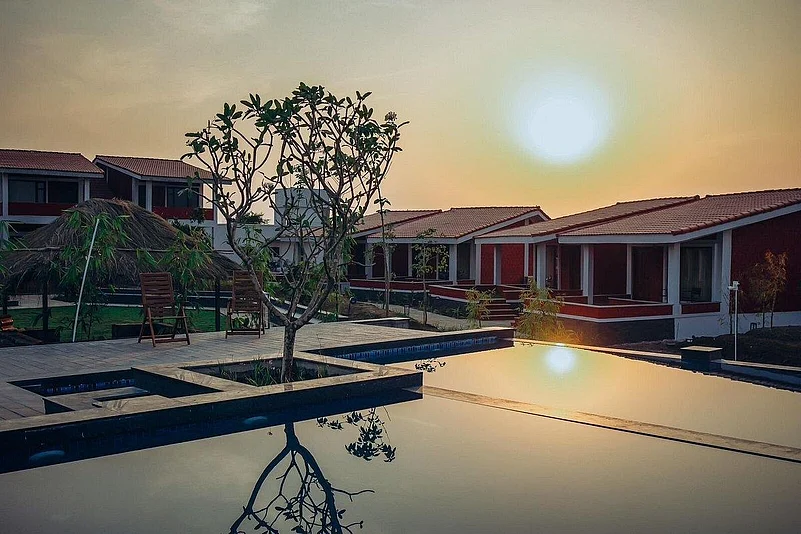
Nature-based tourism is another clear beneficiary of the expansion. Jungle Home Resort Tadoba, joining the Radisson Individuals Retreats collection, will become the group's first internationally branded hotel near Maharashtra's Tadoba Andhari Tiger Reserve. As travellers look beyond India's better-known national parks, destinations such as Tadoba have seen growing interest from domestic wildlife enthusiasts seeking less crowded safari experiences.
The expansion also includes a second Radisson property in Nainital and a new hotel in Kalaburagi, extending the group's presence into Karnataka's heritage and industrial corridor.
Behind these additions lies a development model that increasingly favours franchise partnerships and hotel conversions, allowing brands to establish a presence in emerging destinations more quickly while working with local developers.
What It Means For Travellers
For travellers, the latest signings are about more than new hotel openings. They point to a hospitality sector that is responding to changing travel habits by bringing branded accommodation to destinations that have traditionally been dominated by independent hotels. In that sense, the openings mark a shift from investment decisions to traveller experience.
More broadly, the expansion reflects where Indian tourism is heading. Pilgrimage circuits are attracting new investment alongside wildlife reserves; regional business centres are becoming hospitality hubs in their own right; and tier-II and tier-III cities are no longer peripheral to the industry's growth story. If hotel development has long been a barometer of travel demand, Radisson's latest expansion suggests that India's next tourism boom will be spread across a far wider map than its biggest metros, bringing the story full circle.
FAQs
1. Where has Radisson Hotel Group signed its new hotels in India?
The company has signed 10 hotels across seven states, covering destinations such as Tirupati, Gaj, Lucknow, Rajkot, Shirdi, Brahmapur, Udaipur, Yelahanka (Bengaluru) and other emerging markets.
2. Which Radisson brands are part of the new expansion?
The signings span six brands: Radisson Blu, Radisson, Park Inn by Radisson, Park Inn & Suites by Radisson, Radisson Individuals Premier and Radisson Individuals Retreats.
3. Why is Radisson expanding beyond India's major metropolitan cities?
The strategy reflects growing demand for travel to pilgrimage centres, wildlife destinations, regional business hubs and leisure markets, alongside continued growth in domestic tourism.
4. What does Radisson's latest expansion reveal about tourism trends in India?
It indicates that hotel companies are increasingly investing in Tier II and Tier III cities and destination markets, where tourism demand is being driven by religious travel, domestic leisure, infrastructure development and regional business activity.
5. How will these new hotels benefit travellers?
The expansion will provide travellers with more accommodation choices across different price segments, making it easier to stay in emerging destinations while improving connectivity and hospitality infrastructure.