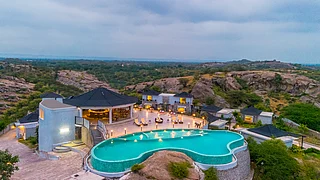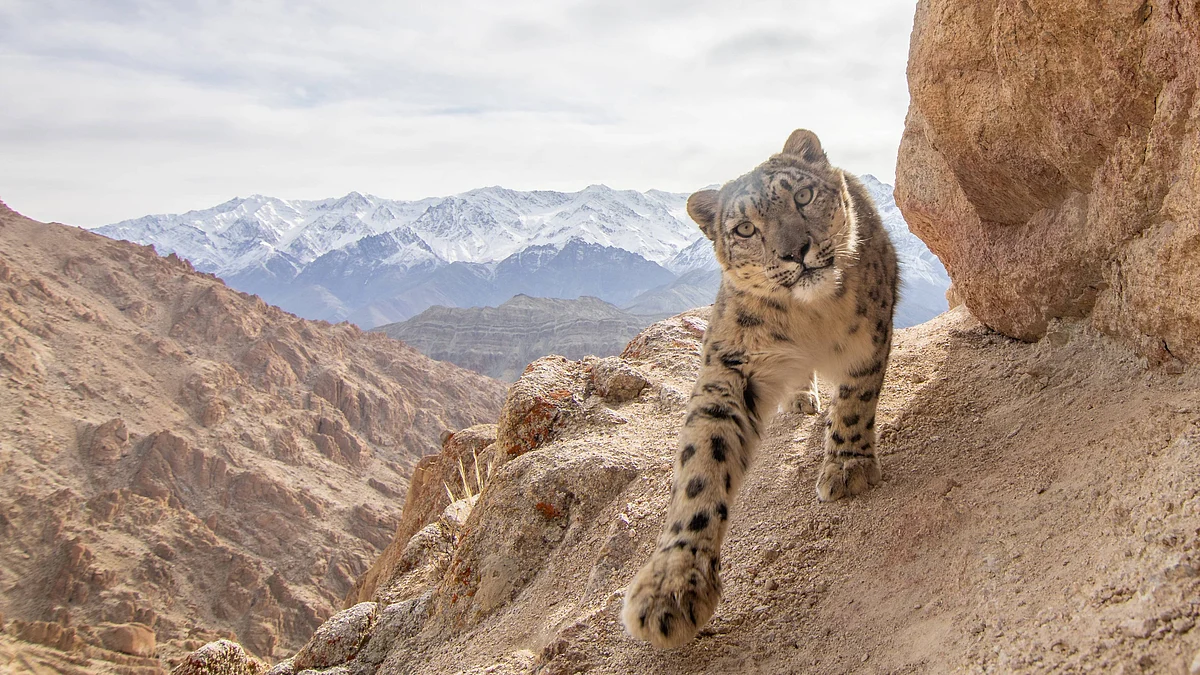
Ladakh is about to get a tourism product that officials are billing as a first for India: a guided, open-jeep “wildlife safari” through some of its best-known snow leopard and bird-watching country, run under a newly formed Snow Leopard and High-Altitude Nature (SHAN) Conservation Society. On paper, it promises trained local drivers, regulated routes across landscapes such as Hemis National Park, Changthang, and Nubra, and a larger share of tourism revenue for the community. But two people who know this terrain intimately, both from the ground up, say the plan does not quite match how snow leopard tourism actually works in Ladakh, or what the region can safely absorb.
Outlook Traveller spoke to MK Ranjitsinh Jhala, a former IAS officer who served as India’s first Director of Wildlife Preservation, drafted the Wildlife (Protection) Act, 1972, chairs the Wildlife Trust of India and has authored several books on Indian wildlife, and to Lobzang Visuddha, founder member of the Wildlife Conservation and Birds Club of Ladakh (WCBCL) and Chairman of the Wildlife Tour Operators Association (WTOA), Leh. Both welcomed the idea of the community benefiting more from wildlife tourism. Neither was convinced that an open-jeep safari model, borrowed from lowland parks, was the right way to get there.
A Model Built For The Plains, Dropped Into The High Himalaya
Ranjitsinh’s central worry is ecological. Ladakh’s terrain, he explained, recovers far less easily from disturbance than the forests of central and eastern India, because grazing and water access for wildlife are largely confined to valley bottoms. Once roads, homestays and vehicle traffic expand along those same valley floors, animals are pushed higher up or out of the valley altogether, not given more room to thrive.
He flagged a threat that rarely comes up in conversations about safari tourism: Ladakh’s estimated 40,000 feral dogs, some of them now interbreeding with wolves, hunting livestock, wild prey and, in isolated cases, people. Tourism infrastructure, he said, tends to bring more dogs with it, first through construction and army camps, later through homestays and hotels. He linked this directly to the fate of the black-necked crane, Ladakh’s state bird, saying its chicks are already being lost to feral dogs near breeding lakes, and cautioned that continued disturbance could mean the bird “may not be seen after a few years in Ladakh.”

He also questioned what a jeep safari would actually deliver, given how snow leopards are traditionally sighted in Ladakh: at a distance, through trained local spotters, sometimes over several days around a kill. His fear was that a safari model built around guaranteed sightings would tempt operators toward illegal baiting, a practice he said is already spreading from leopard tourism in the plains to snow leopards. Baiting, he warned, does not just stage a sighting; it changes the animal itself. “More animals will come, and they will be habituated to things, and there will be more conflict,” he said. Without a genuine carrying-capacity limit, such as a fixed number of vehicles per valley per day, he argued tourism risks becoming a noisy, crowded spectacle rather than a quiet encounter with nature.
Birds, he said, face a version of the same problem. Migratory species such as the bar-headed goose and Brahminy duck, and breeding populations of the black-necked crane, rely on a small number of known lakeside sites that were previously protected as sanctuaries. He is concerned about a parallel move to denotify some of these sanctuaries, which he and fellow board members have objected to, without success. If breeding birds are disturbed by traffic and human presence at these sites, he asked, “Where will these birds breed?” and warned that chicks driven from their nests become easy targets for the region’s feral dogs.
On The Ground In Leh, A Different System Already Works
Visuddha’s concerns come from the operator’s side of the business, and from three decades of running snow leopard expeditions in Ladakh. His first worry was process: he said local stakeholders, including tour operators who built up Ladakh’s snow leopard tourism over the last several decades, were not taken into confidence before the SHAN Society’s plans were announced.
His second unease was practical: an open-jeep safari, in the style of Ranthambore or Kaziranga, is not physically workable in Ladakh’s winter, when temperatures fall to minus 20 or 30 degrees Celsius, and sightings happen across landscapes spanning thousands of square kilometres rather than a few hundred. The existing system, he explained, already runs on trained local spotters who scan mountain slopes and ridgelines from before dawn and radio guests in once a leopard is located, typically viewed from 400 to 500 metres away. “Snow leopards are there because of the community that lived here for centuries,” he said, crediting Ladakh’s largely Buddhist population for a longstanding reluctance towards retaliatory killing of the predator, even when it preyed on livestock.
Guests follow a mandatory 48-hour acclimatisation period in Leh before heading to villages like Rumbak or Shang, and Visuddha said he personally logs dozens of individual snow leopard sightings in a single winter through this network.
“I saw 33 snow leopards last winter,” he said.
He argued that the fix for off-roading and disturbance, the very problems the safari is meant to solve, does not require a new body, additional jeeps or more money in spending. “What you need is a guard to say, ‘Sir, it is not done. Sir, please drive slowly. Sir, don’t go that close.’ And a sign board,” he said, pointing to a recent round of fines imposed on tourists for off-roading near Pangong Lake as proof that enforcement, not a parallel safari system, is what actually changes behaviour.
Big Plan, Bigger Doubts
Despite their different vantage points, the wildlife policy veteran and the conservanist tour operator converge on similar conditions for this to work responsibly: a genuine, enforced carrying-capacity limit on vehicles per valley, empowered eco-guards and fines for off-roading and disturbance rather than new infrastructure, protection of bird-breeding sites from dilution, and real consultation with the local operators and communities who built Ladakh’s wildlife tourism in the first place. The government’s parallel plans for waste management, women’s artisan training and youth fellowships suggest some of that thinking is already present. Whether the safari itself adds value or simply adds pressure to an already working, low-impact model may depend on how closely officials now listen to the people who have spent decades watching these mountains, and their wildlife, up close.
FAQs
1. Is there a snow leopard safari in Ladakh?
Ladakh already has community-led snow leopard tourism, but a new open-jeep safari model has been proposed.
2. Where can you see snow leopards in Ladakh?
Snow leopards can be spotted in areas including Hemis National Park and villages such as Rumbak and Shang, usually with trained local spotters.
3. When is the best time to see snow leopards in Ladakh?
Winter is considered a key season for snow leopard sightings, when the animals descend to lower elevations in search of prey.
4. What are the concerns about Ladakh’s proposed safari model?
Experts have raised concerns about vehicle carrying capacity, disturbance to wildlife, off-roading, bird breeding sites and the ecological sensitivity of Ladakh’s high-altitude valleys.
5. What other wildlife can travellers see in Ladakh?
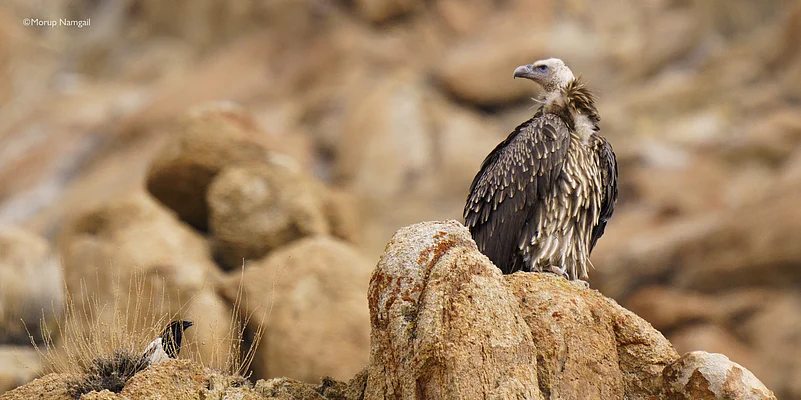
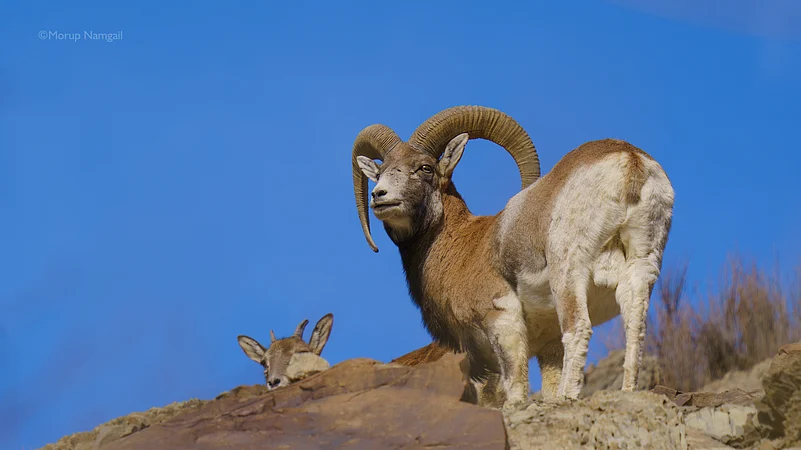
Along with snow leopards, Ladakh is home to species such as the Himalayan blue sheep, ibex, kiang, Himalayan griffon, bar-headed goose, Brahminy duck and black-necked crane.