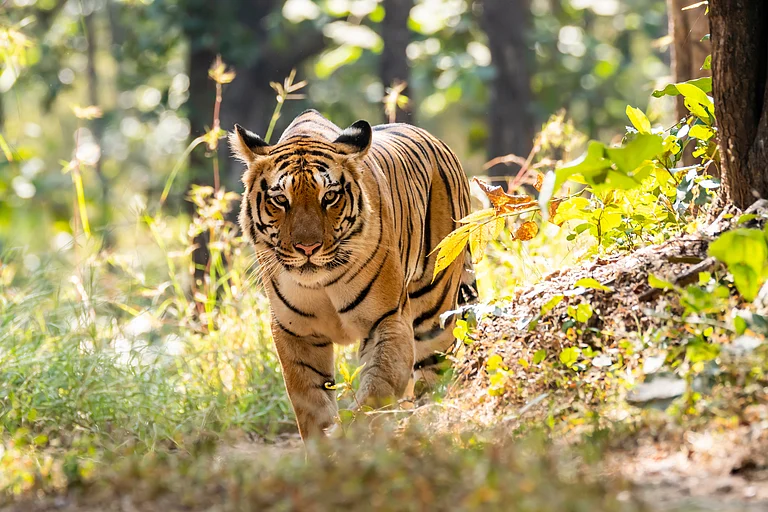


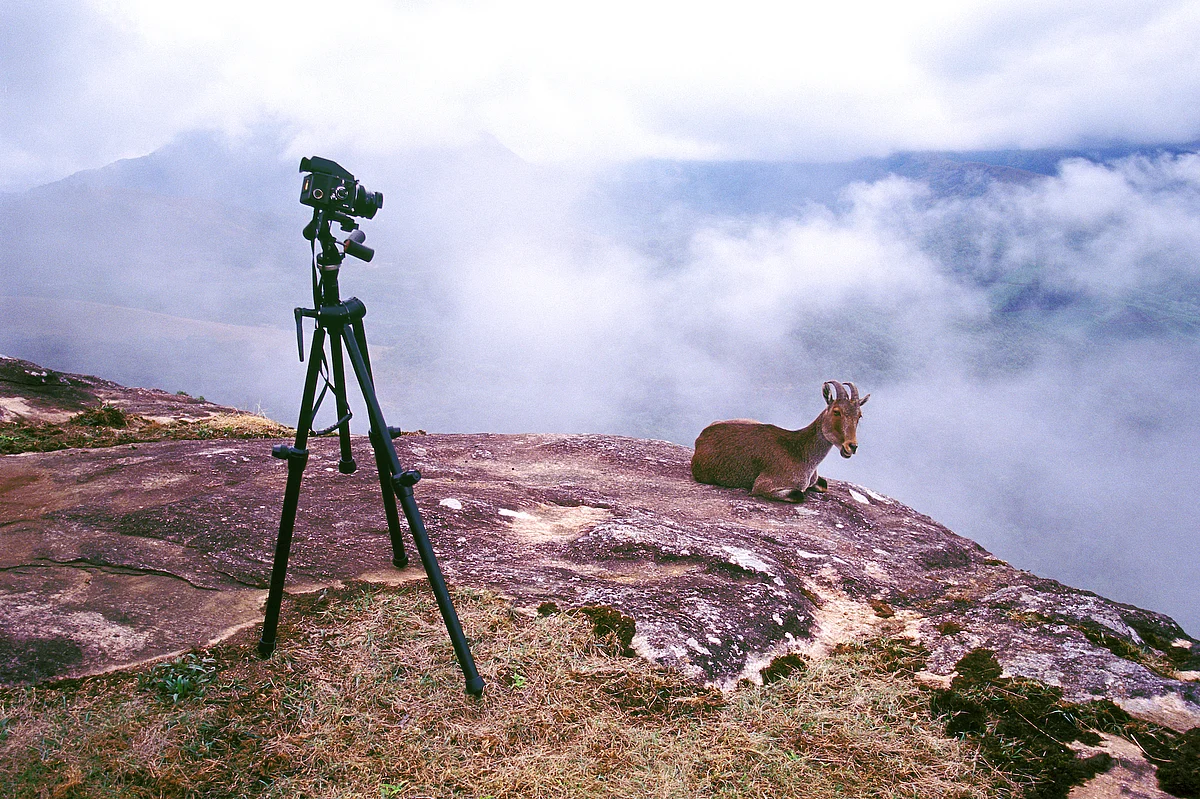
Out in the wild, stillness is rarely as innocent as it seems. Behind many striking photographs of tigers on the prowl or birds frozen mid-flight is a series of choices that the viewer never sees. Choices about distance, timing, access and sometimes about rules bent. Once seen purely as a force for conservation, wildlife photography is now facing tougher ethical questions.
As competition intensifies and images grow more dramatic, the line between observation and interference has become increasingly fragile. How close is too close? When does documentation turn into disruption? And who bears the cost when the subject has no voice? This investigation looks beyond the frame to examine whether wildlife photography truly protects nature or, in its most extreme forms, risks disturbing the very life it claims to defend.

Despite its noble intentions, evidence from multiple scientific and field studies has highlighted measurable negative impacts of intrusive wildlife photography on animal behaviour and ecosystems. A meta-review of behavioural and physiological data across 30 studies found that wild animals exposed to human presence, including photographers, often exhibit increased stress responses, avoidance behaviours and altered time budgets, with heart-rate spikes of up to 40 per cent in some species when humans approach too closely, a reaction linked to disrupted feeding patterns and reduced reproductive success. Research on codes of ethics within wildlife tourism reveals that disturbance to animals (81 per cent), habitat damage (58 per cent) and baiting (70 per cent) are among the most frequently cited issues, all of which can lead to stress, behavioural change and abandonment of habitats or nesting sites. In extreme cases, animals will flee their nests, alter migration behaviour, or expend critical energy escaping perceived threats, consequences that can ripple out to affect population dynamics over time.
A recent report from the Zoological Society of London documented the complete disappearance of a rare amphibian population, the Galaxy frog in India’s Western Ghats, from a monitored site after repeated photography visits disturbed its microhabitat, trampled vegetation, overturned logs and exposed individuals to stress and disease risk. Conservationists have noted similar patterns globally: photographers sharing precise geolocation data for rare species can unintentionally attract large numbers of visitors, increasing stress on fragile populations, degrading habitat, and even facilitating illegal activities such as poaching or harassment. Loosely regulated tourism and social-media-driven wildlife chasing, particularly around breeding sites, have prompted campaigns to discourage location sharing and restrict access during sensitive periods to reduce disturbance.

Outlook Traveller sat in conversation with renowned wildlife conservation photographer Balan Madhavan, who spoke about the ethics of wildlife photography. A Senior Fellow of the International League of Conservation Photographers and a former associate of the Royal Photographic Society, Madhavan began his journey in 1986, a time when there were no safaris, no jeep rides, no planned and marketed treks.
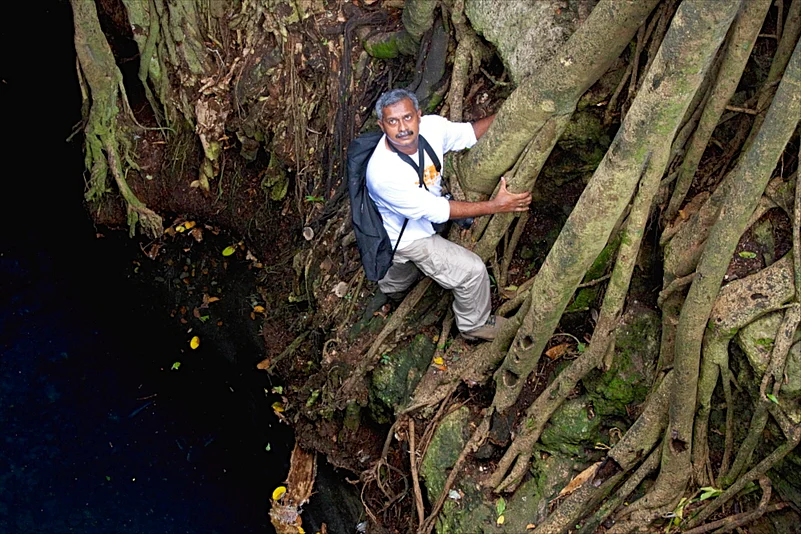
“Digital technology has made photography easily accessible to the masses. The influence of social media is at a dangerous level among the youth, who are madly after quick fame. Photography, they consider, is one of the best media to draw attention to them. In order to get this quick attention and fame, some of them may be violating the ethics of photography in their safaris and jungle trips. While drones are prohibited inside protected areas, other means like baiting, mating call playbacks etc., are harmful practices,” said Madhavan.
The ban on nest photography was a campaign started in 1994, much before digital photography or social media, because of the huge damage it inflicted on nesting birds
Reflecting on his early work, Madhavan said he did photograph nests at the start of his career, but only as part of broader projects, including images of nesting birds such as the Nilgiri Flycatcher and the Black-and-orange Flycatcher. "But these were for the parks' interpretation centres. I never entered these pictures in any contests. My UN award-winning image in 1992 was a picture of a Tailorbird feeding chicks. I was under 30 years old, nobody to guide me, and there were no complaints against nest photography," he noted.

Things changed during 1993–1994, especially when several photographers from Bangalore began taking assistance from village boys near suburbs to locate bird nests, photograph them, and then destroy the nests so that no other photographer could get the same shot. Madhavan continued, "I was among the first to raise this issue at the national level, and eventually an unofficial ban on nest photographs in photo contests came into existence. You can, and you should, document birds on nests if you are conducting serious research on a species or a habitat. However, this should be limited to just one or two experienced individuals handling the work."
He recalled instances where photographers crowded beneath a Great Indian Hornbill’s (Buceros bicornis) nest, obsessively shooting each landing and even throwing stones to force repeat flights for better images. He noted that Valparai in Tamil Nadu endured this until photographers themselves alerted the Forest Department.

How Much Does Wildlife Photography Help Conservation?
Wildlife photography is often touted as a driver of conservation awareness, yet evidence suggests it can also act as an accelerant of exploitation. In tourist-heavy zones, repeated human presence driven by photo demand has been shown to stress animals, degrade habitats, and normalise close encounters that prioritise imagery over welfare.
What begins as awareness can, without regulation, slide into a cycle where wildlife becomes a predictable prop rather than a protected subject. Speaking on this, Madhavan commented that wildlife photography without the conservation cause is a visual assault.
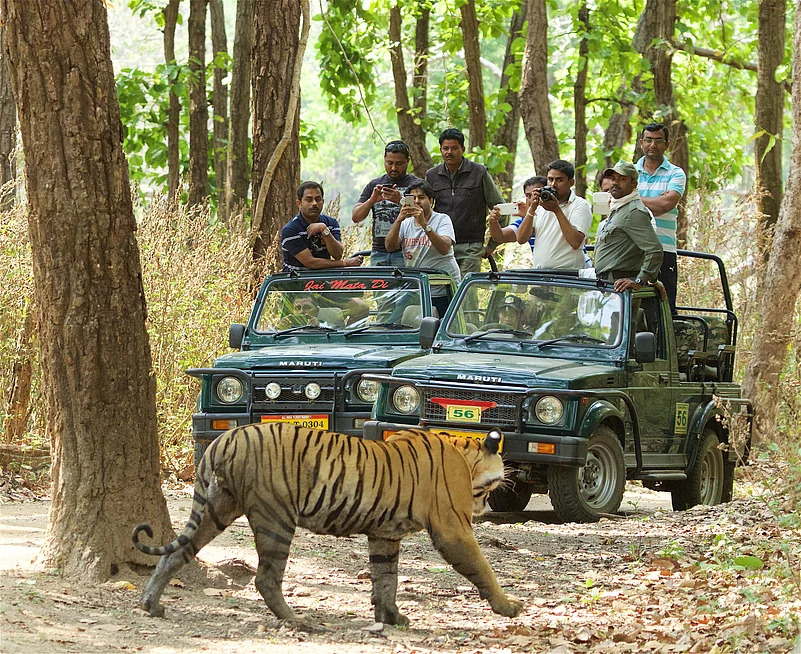
“Everyone entering the forest should have utmost respect for nature. Welfare of the subject is of utmost importance, not our pictures. Tiger safaris are prime examples of this. Animals in the safari zones get habituated to tourists and safari jeeps daily, altering their natural behaviour.”
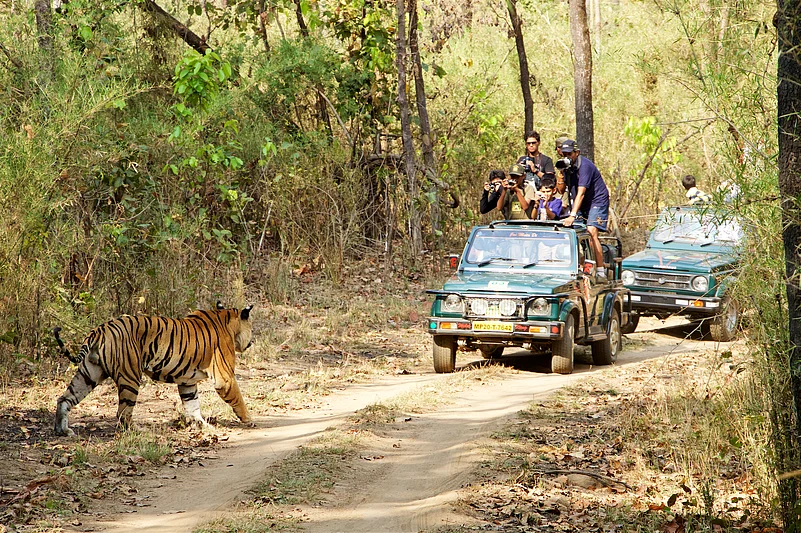
Social media has intensified wildlife photography into a competitive arena where rarity, proximity, immediacy, and spectacle are rewarded with visibility and monetisation. The race for viral images has not necessarily created unethical practices, but it has amplified them, exposing how algorithm-driven validation incentivises risk-taking and boundary-pushing that might once have remained isolated or unseen.
Madhavan also raised concerns about the growing obsession with reels chasing massive view counts, questioning whether such content carries any social value or aids conservation, which he firmly believes it does not.

What Ethical Guidelines Should Be Followed While Photographing Animals?
Speaking about his own approach, Madhavan said ethical compliance varies widely among photographers. Drawing from safaris in India and Africa, he noted that animals are often provoked for better images, causing stress. His work, largely on foot in Kerala’s forests, avoids jeep safaris, baiting or feeding wildlife. "My work is usually on foot, and I have never used bait to lure an animal or offered food to attract a bird.”

Speaking about the legality of wildlife photography, Balan Madhavan said, “Laws are there to book those who intentionally disturb or harm birds, animals and habitat. They should be made accountable. Most importantly, the state should conduct a serious ‘Carrying Capacity Assessment’ and implement it in all zones where tourists are allowed."
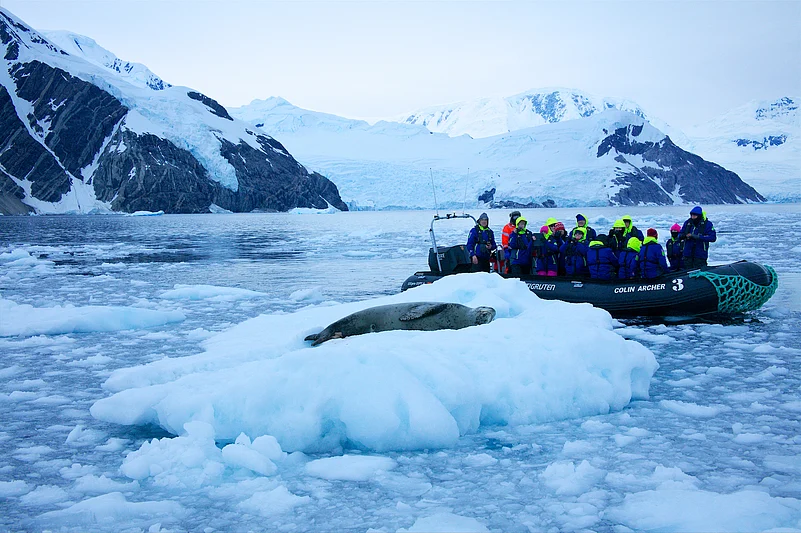
India’s legal position on wildlife photography is far less ambiguous than public behaviour often suggests. The Wildlife Protection Act, 1972, forms the backbone of conservation law in the country and treats disturbance, harassment or interference with wildlife as a punishable offence, regardless of intent. Photography within national parks, sanctuaries and other protected areas is not an automatic right; it is a regulated activity. Professional photographers and film crews are required to obtain prior permission from the Chief Wildlife Warden or an authorised official, with permits issued under strict conditions designed to limit ecological impact. Violations, including unauthorised entry, close encounters with animals or imagery that encourages unsafe interaction, can attract severe penalties, ranging from fines to imprisonment of up to seven years in cases involving protected species. Even acts such as selfies with scheduled wildlife may fall under the law’s definition of disturbance and invite prosecution.
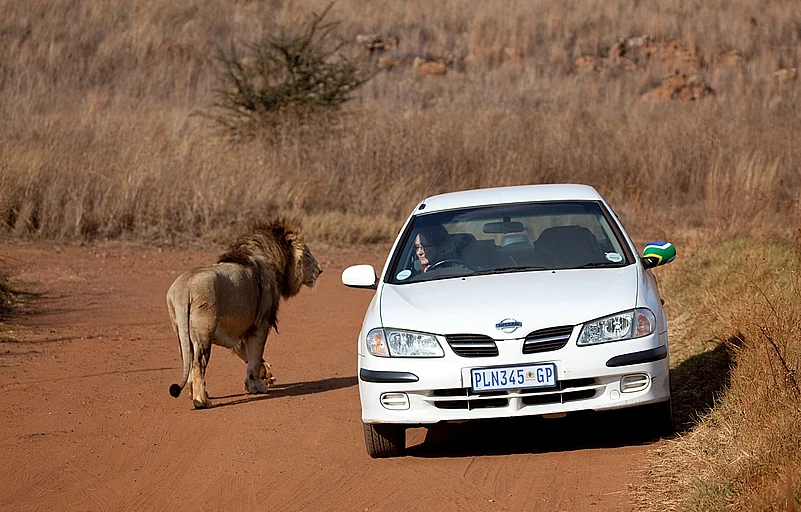
In addition to central legislation, state-level rules further tighten oversight, particularly in ecologically sensitive areas. States such as Madhya Pradesh have codified detailed permit systems governing photography and filming inside reserves, complete with differentiated fee structures for tourists, still photographers, and commercial film crews. Security deposits, usage conditions and restrictions on equipment are routinely imposed to prevent habitat damage and animal stress. Authorities retain the power to curb or ban activities, including group photography or unrestricted mobile phone use, in core areas if they are deemed harmful to wildlife.
FAQs
1. Is wildlife photography harmful to animals?
Wildlife photography can cause stress, behavioural changes and habitat disruption when photographers get too close, bait animals or disturb breeding and nesting sites.
2. What are unethical practices in wildlife photography?
Practices like baiting, playback calls, nest photography, chasing animals, using drones and sharing precise locations of rare species are widely considered unethical.
3. Is wildlife photography legal in India?
Photography inside protected areas is regulated under the Wildlife Protection Act, 1972, and often requires prior permission from forest authorities.
4. How does social media affect wildlife photography ethics?
Algorithms reward proximity, rarity and spectacle, encouraging risky behaviour that prioritises viral content over animal welfare and conservation.
5. Can wildlife photography still support conservation?
Yes, when practised responsibly with strict adherence to ethical guidelines, distance rules and conservation intent, photography can raise awareness and support protection efforts.