

For decades, architecture in many mountain regions followed a familiar aspiration. Hotels, resorts and holiday homes sought to replicate the aesthetics of global urban development, often favouring expansive glass façades, concrete structures and imported design languages that could have belonged almost anywhere in the world. The result was visually striking, but frequently disconnected from the realities of the landscape in which it was built.
Today, a different approach is beginning to emerge across the Himalayan region. As climate change intensifies environmental pressures and travellers seek more meaningful connections with destinations, mountain architecture is increasingly returning to principles that local communities understood long before sustainability became a global conversation.
This shift is not about rejecting modernity. It is about recognising that centuries of accumulated knowledge offer valuable lessons for building in some of the world's most fragile and ecologically sensitive environments.
Lessons From Traditional Mountain Building
Mountain settlements across India, Nepal, and Bhutan evolved through a deep understanding of climate, topography, and available resources. Traditional building systems were shaped by necessity. Structures had to withstand harsh winters, heavy rainfall, seismic activity, and difficult terrain while remaining comfortable throughout the year.
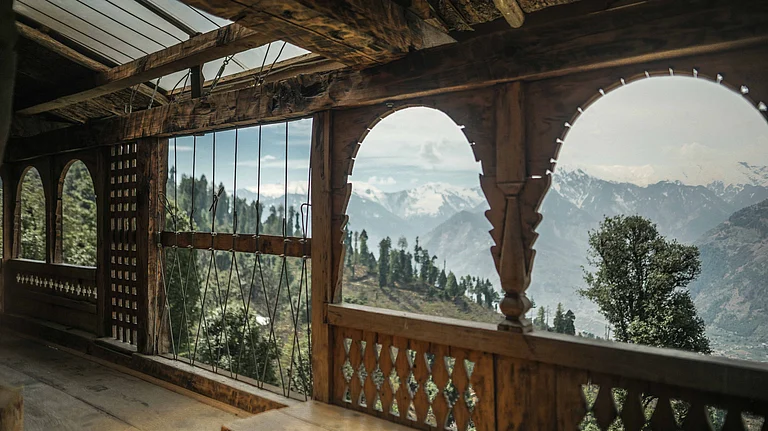
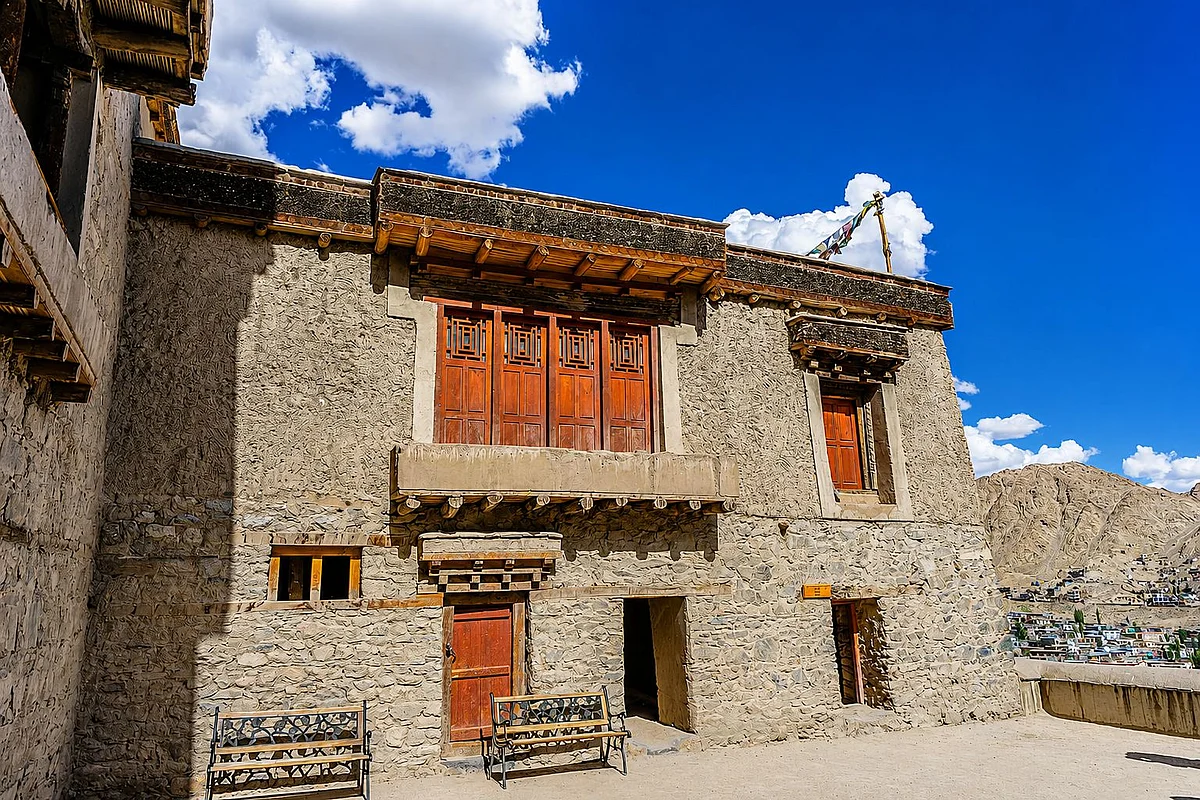
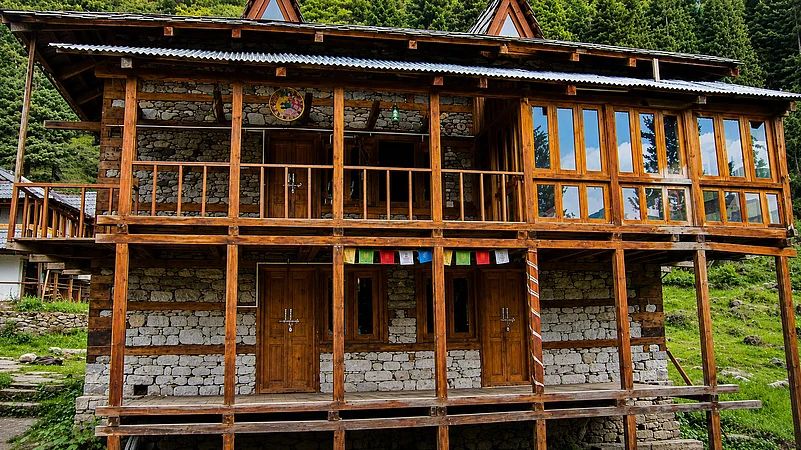
In Uttarakhand, techniques such as Koti Banal used carefully interlocked timber and stone construction to create earthquake-resistant buildings. In Himachal Pradesh, Kath-Kuni architecture combined alternating layers of wood and stone that provided both structural stability and thermal insulation. Across the Himalayan belt, sloping roofs, deep overhangs, locally sourced materials and compact building forms were developed in direct response to climatic conditions.
These were not merely architectural styles. They were sophisticated environmental solutions refined over generations.

The Cost of Imported Design
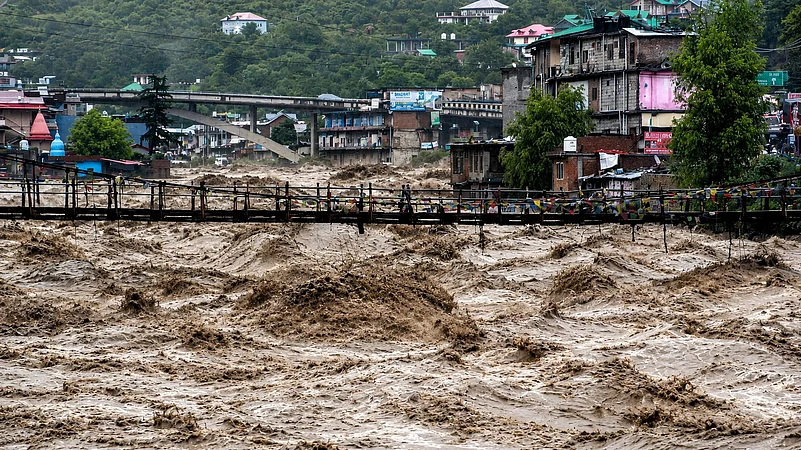
Many contemporary hospitality developments are now rediscovering the value of this wisdom. Rising temperatures, changing rainfall patterns, landslides, flash floods, and increasing pressure on local resources have highlighted the limitations of design approaches that ignore regional environmental conditions.
A glass façade that may perform adequately in a temperate urban setting can become highly inefficient in a mountain climate. Excessive heat gain during summer, heat loss during winter and increased energy consumption for heating and cooling can significantly affect both operational costs and environmental impact.
Climate-responsive architecture offers a more resilient alternative. Buildings designed around local climatic conditions require less energy, place fewer demands on infrastructure, and often perform better during extreme weather events.
For hospitality operators, this is becoming both an environmental and business imperative.
What Travellers Actually Want
Sustainability is only part of the story.
Travellers today are seeking experiences that feel rooted in place. The appeal of mountain destinations extends beyond scenic views. Visitors want to engage with local culture, craftsmanship, food traditions and ways of life that are distinct to a region. Architecture plays an important role in shaping that experience.
A thoughtfully designed mountain property can create a sense of immersion that generic development often cannot. The use of local stone, timber, traditional construction techniques and regionally inspired design elements helps visitors feel connected to the landscape and its history. These environments tell stories that cannot be replicated through standardised hospitality models.
Climate-Responsive Design In Practice
Across the Himalayas, numerous boutique hotels, eco-lodges, and homestays are embracing this philosophy. Rather than imposing an external architectural language, they are drawing inspiration from local building traditions while incorporating contemporary comforts and modern sustainability technologies.
In Ladakh, several hospitality projects have adopted rammed-earth construction and passive solar design principles that respond effectively to the region's extreme climate. In Himachal Pradesh and Uttarakhand, mountain retreats are increasingly using local stone and timber alongside improved insulation systems and renewable energy solutions. In neighbouring Bhutan, hospitality developments have demonstrated how cultural identity can remain central to contemporary tourism infrastructure while maintaining strong environmental performance.
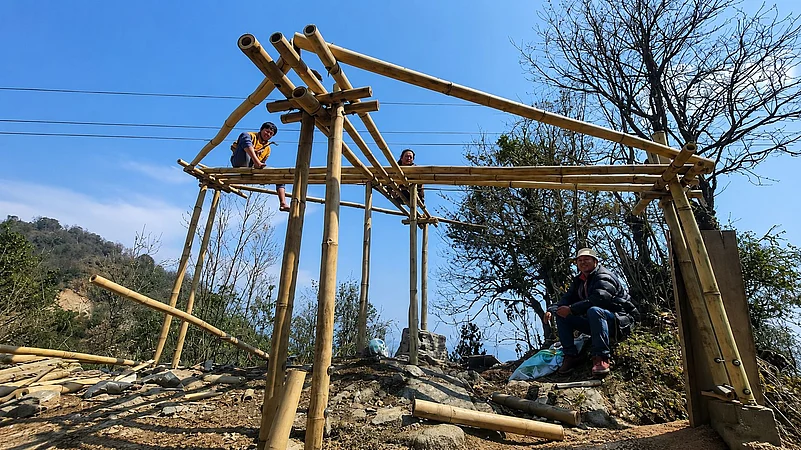
The growth of homestays and small-scale hospitality enterprises has further accelerated this trend. Unlike large commercial developments, many of these properties are deeply embedded within local communities. Their architecture often emerges naturally from local building traditions, creating authentic experiences that resonate strongly with visitors while supporting local economies and craftsmanship.
Building Within Ecological Limits
This approach also aligns with a broader shift occurring within global tourism. As destinations grapple with the impacts of overtourism and environmental degradation, there is growing recognition that future tourism growth must be accompanied by greater ecological sensitivity.
Mountain regions are particularly vulnerable. The Himalayas support critical water systems, biodiversity corridors and cultural landscapes that sustain millions of people. Every new building placed within these environments carries a responsibility to work with the landscape rather than against it.
Architecture, therefore, becomes more than an aesthetic decision. It becomes a tool for environmental stewardship.
Rediscovering What Was Always There
The most successful mountain hospitality projects of the future are unlikely to be those that simply offer luxury in isolation from their surroundings. They will be the projects that create comfort while respecting ecological limits, that celebrate local identity rather than replacing it, and that draw upon generations of climatic knowledge while embracing contemporary innovation.
This is not a return to the past. It is the evolution of a more intelligent approach to building.
The lessons embedded within traditional mountain architecture were developed through centuries of observation and adaptation. As climate challenges become more pronounced, those lessons are proving remarkably relevant once again.
In many ways, the future of mountain hospitality may lie not in inventing entirely new solutions, but in rediscovering the wisdom that was present all along.
Dikshu Kukreja is a renowned architect, urban designer, and environmentalist, and Managing Principal at CP Kukreja Architects (CPKA). He also serves as the Consul General of Albania.
FAQs
1. What is climate-responsive mountain architecture?
Climate-responsive mountain architecture designs buildings around local weather, terrain, and available materials to improve energy efficiency, resilience, and comfort while reducing environmental impact.
2. Why are hotels in the Himalayas adopting traditional building techniques?
Many hospitality projects are using traditional methods like Kath-Kuni and Koti Banal because they offer better thermal comfort, earthquake resilience, and a stronger connection to local culture and landscapes.
3. What is Kath-Kuni architecture?
Kath-Kuni is a traditional Himalayan construction technique from Himachal Pradesh that uses alternating layers of timber and stone to create durable, earthquake-resistant, and naturally insulated buildings.
4. How does mountain architecture support sustainable tourism?
Climate-responsive architecture reduces energy use, relies on local materials and craftsmanship, preserves cultural identity, and minimises the ecological footprint of tourism developments in fragile mountain ecosystems.