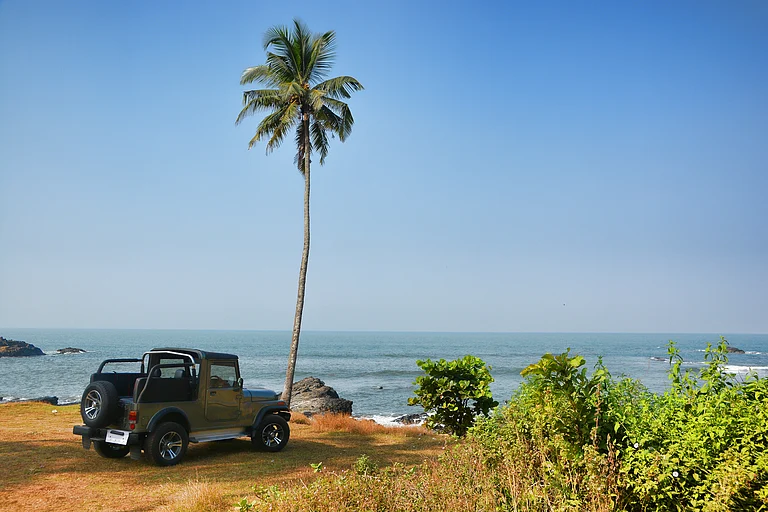
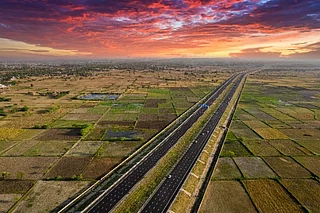
India's domestic travel patterns are evolving in response to the expansion of road infrastructure. The National Highway network is expanding, connectivity between Tier-II and Tier-III cities is improving, and accommodation options outside metropolitan centres are increasing. At the same time, rising travel costs are making road trips more viable. Within this context, long-distance carpooling is emerging as a significant mode of intercity travel, complementing rather than replacing traditional cab services.
Recent data from BlaBlaCar in India illustrates this transformation. During the first half of 2026, the platform facilitated 12.14 million passenger journeys, a 42 per cent year-on-year increase. Additionally, 500,000 new drivers joined the platform, a 37 per cent rise, and travellers collectively saved over INR 492.7 crore in travel costs. India is now BlaBlaCar's largest global market by passenger volume, surpassing all European markets.
Expansion Of Road Infrastructure Facilitates Growth In Shared Mobility
Sustained investment in highway infrastructure has made road travel more practical. According to the Press Information Bureau, India's National Highway network expanded from 91,287 km in 2014 to 1,46,195 km, an increase of approximately 60 per cent. This growth has improved access to both established tourist destinations and emerging travel circuits.
The trend is evident across the wider mobility sector. Uber's Intercity Travel Index for April to June 2026 reported increased demand for road travel, driven by improved highways and stronger connectivity between Tier-II cities. Although metro corridors remain the busiest, routes such as Delhi-Dehradun, Bengaluru-Mysuru, Delhi-Chandigarh, and Chennai-Puducherry experienced some of the fastest year-on-year growth. The report also identified rising travel to heritage, pilgrimage, and leisure destinations.


Growing numbers of hotels and homestays have further supported this trend. In 2024, over 42,000 hotel rooms were announced across India, with 77 per cent situated in Tier-II and Tier-III cities. The country is also estimated to have approximately 260,000 homestays, expanding at an annual rate of about 11 per cent. These developments have increased accommodation availability in destinations that previously had limited lodging options, making self-driven and shared road travel more practical.
Projects such as the Atal Tunnel, the Sonmarg Tunnel, and new bridges along the Konkan coast have reduced travel times to multiple destinations and improved year-round accessibility.
Cost-Sharing As A Catalyst For Adoption Beyond Major Cities
Although infrastructure improvements have made road travel easier, economic factors have further strengthened the case for carpooling. Increases in fuel prices, toll charges, and vehicle operating costs have raised the overall expense of intercity driving. Carpooling distributes these costs among multiple passengers and enables drivers to recover a portion of their travel expenses.
BlaBlaCar's data shows that usage spans both major metropolitan corridors and regional routes. Between January and May 2026, the Bengaluru Urban-Chittoor route recorded over 221,000 passenger journeys, followed by Pune-Thane, Noida-Meerut, Pune-Nashik, and Mumbai Suburban-Pune. Many of these routes connect neighbouring cities with significant commuter, business, and leisure demand, rather than exclusively linking the country's largest metropolitan areas.
Previous company data indicate that approximately half of all rides occur outside India's 150 busiest travel corridors, reflecting increased adoption in smaller cities and regional markets. BlaBlaCar attributes this development to the expansion of road infrastructure, greater smartphone penetration, the proliferation of digital payments, rising car ownership, and limited public transport capacity relative to demand.
The data indicate that carpooling is becoming integrated into India's domestic travel network, moving beyond its previous status as a niche mobility service. Improved road infrastructure has expanded the number of destinations accessible by car, while increased accommodation options have made more locations suitable for short breaks. At the same time, cost-sharing has made road travel more affordable for both drivers and passengers. Together, these factors are establishing carpooling as an important and growing component of intercity travel in India.
FAQs
1. Why is carpooling becoming popular in India?
Better highways, improved connectivity between cities, and rising fuel and toll costs are encouraging travellers to share rides for intercity journeys.
2. How has India's road infrastructure supported carpooling?
The expansion of the National Highway network and improved connectivity have made long-distance road travel faster, more reliable, and accessible.
3. Which routes are seeing the highest demand for carpooling?
Popular corridors include Bengaluru Urban-Chittoor, Pune-Thane, Noida-Meerut, Pune-Nashik, and Mumbai Suburban-Pune.
4. What are the benefits of long-distance carpooling?
Carpooling reduces travel costs, allows drivers to share fuel and toll expenses, and provides passengers with a more affordable travel option.
5. Is carpooling replacing traditional intercity cabs?
No. Carpooling is emerging as a complementary mode of transport alongside cabs, buses, trains, and self-driven road trips.