Long before Gerald Samuel Duia became a guide, he was a musician playing guitar and drums, performing gigs, and travelling for music events. Photography followed, bringing journeys to unfamiliar places. “Those creative outlets slowly awakened something in me. I began exploring hidden places, nature, and culture that developed organically,” he says. College at Martin Luther Christian University (MLCU) changed everything. Field camps, community programmes, and weekend outings to places like Nongriat and the Mawphlang Sacred Groves turned curiosity into a calling. “Back then, I didn’t think of it as tourism. I just enjoyed showing people the beauty of our home,” says Duia.
By 2016, after graduation, he was guiding friends, arranging vehicles, planning routes, and charging a modest INR 300. Word spread quickly: people returned with families, and travel companies began calling. “I realised guiding wasn’t just a hobby, it was what I loved. My family hoped I’d choose a government job, but my heart was set on creating something of my own.” he says.

How It Started
The turning point came in 2018, when guiding shifted from a side occupation to a passion he could no longer ignore. With support from his mother, he founded Duia Trailblazers, a name that captured both his roots and his ambitions. Duia Trailblazers, it is an adventure and eco-tourism brand that curates intimate eco-cultural, heritage, and adventure journeys across Meghalaya immersive, community-led experiences that don’t just showcase the land but honour its stories, its people, and its wild, untouched beauty. Every trip is crafted to celebrate the region’s soul while fiercely protecting the environment that shapes it.
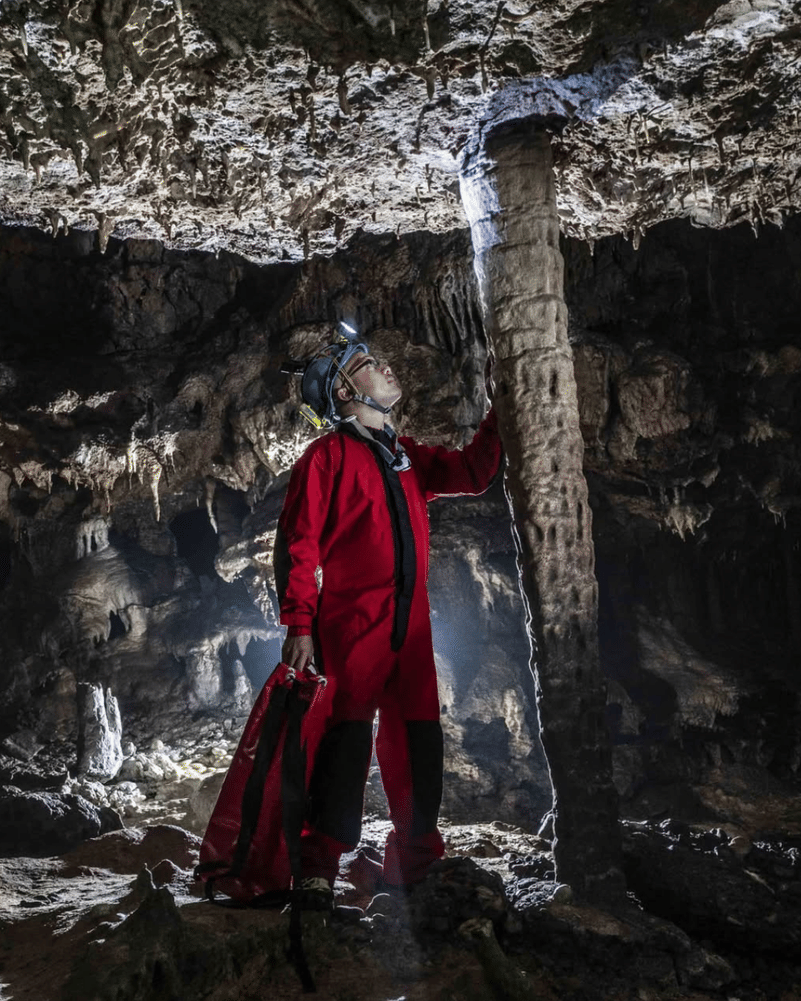
Initially he began completely on his own setting up emails, handling social media, and finding those first few clients. Recognition came slowly until 2019, when being selected among PRIME Hub Meghalaya’s Top 50 entrepreneurs put Duia Trailblazers on the map. The pandemic halted travel, but he turned the setback into strategy: training his cousin, refining itineraries, and developing adventure programmes suited to Meghalaya’s distinct terrain. What began as a challenge eventually sparked something bigger: the creation of the Duia Trailblazers Adventure Training Academy. The programme covers tour guiding, first aid and CPR, caving, canyoning, water safety, and other disciplines essential for safe, confident leadership. At its core, the academy aims to shape capable local professionals and open meaningful pathways in tourism.
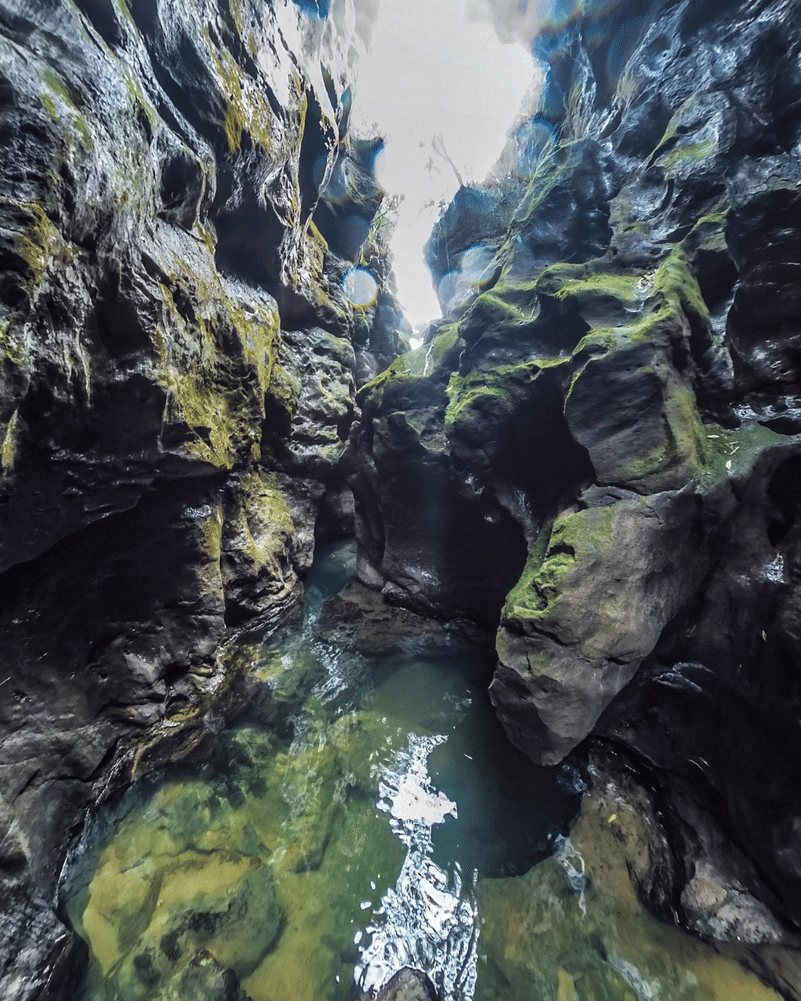
Creation Of Adventure
Curiosity is where every discovery begins for him. Before a new destination makes it into a Duia Trailblazers itinerary, he visits it himself walking the terrain, listening to its stories, and speaking with the community that calls it home. The process is deliberate: he educates locals about tourism’s impacts, prepares them for visitors, and ensures the environment can sustain footfall. Only when that balance feels right does a place open up to travellers. “We want people to experience Meghalaya’s beauty, but never at the cost of its culture, nature, or safety. Every destination we open must be responsible, sustainable, and rooted in respect,” he says.
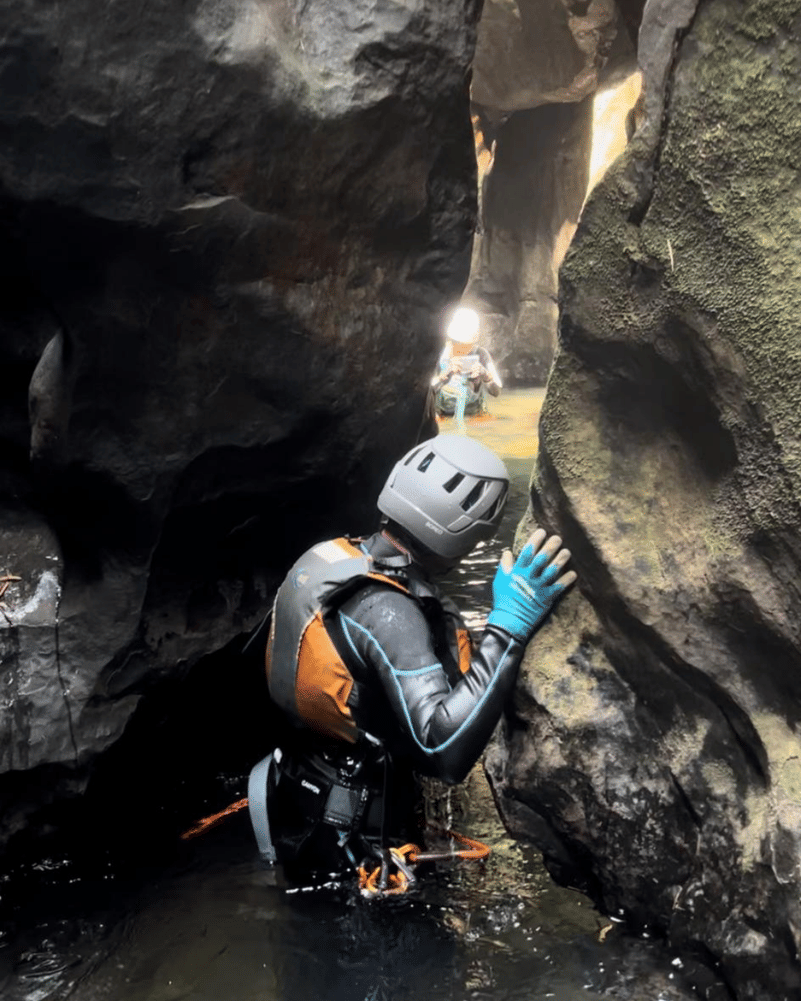
One clear example is the ongoing project at Upper Shonghang Canyon in Syntung Village, where the team is slowly introducing canyoning as a safe, community-led adventure activity. Visits are intentionally limited to a handful of groups each year, giving local youth time to train, build confidence, and eventually host travellers independently while Duia Trailblazers stay in the background, offering support and connecting them with clients.
Responsible Adventure
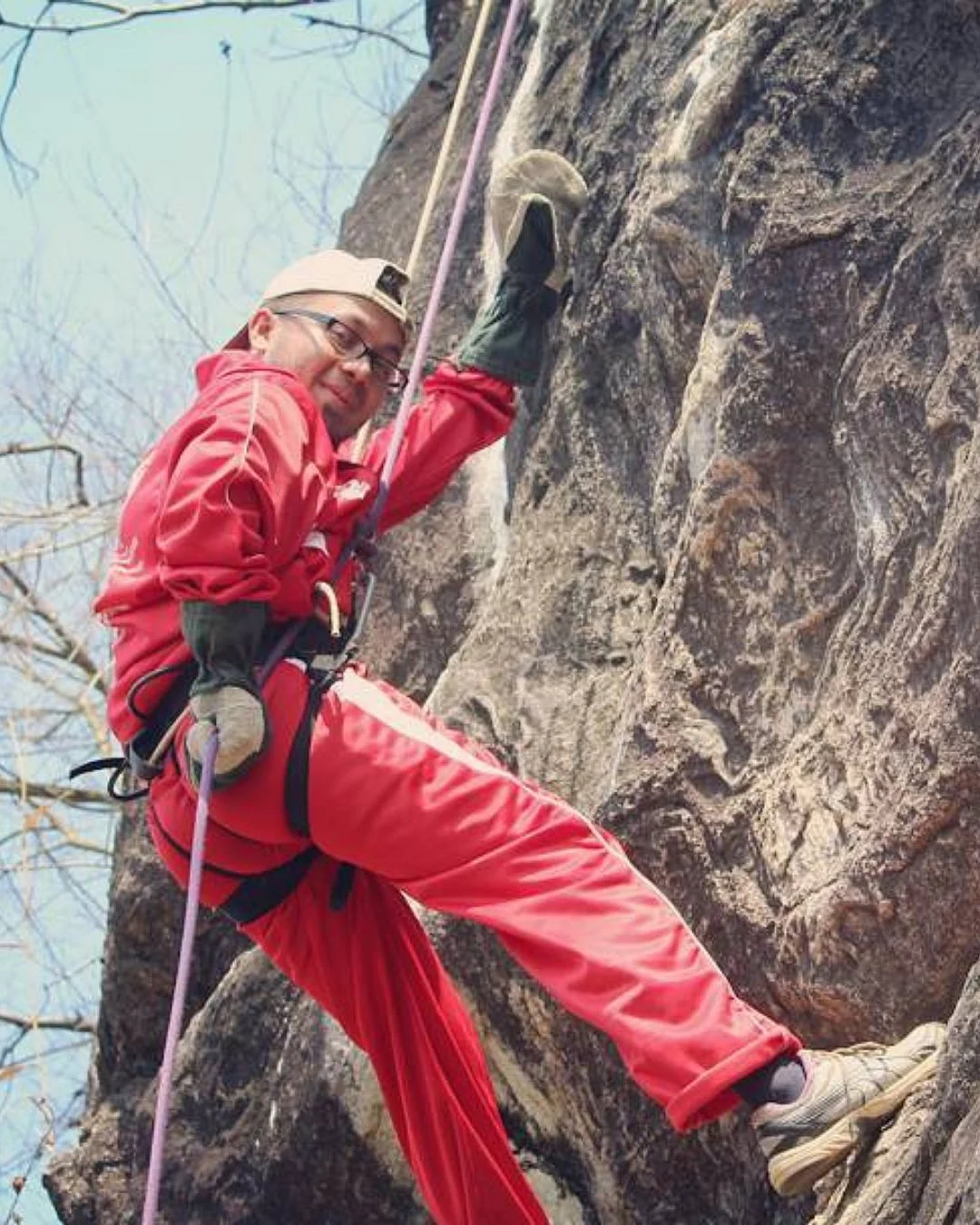
Even during the pandemic, when travel stood still, he continued scouting and documenting new locations across Meghalaya. Every adventure the company offers whether canyoning, caving, or climbing is grounded in rigorous safety planning, with the team undergoing certified training through partners like the Red Cross Society and the Bangalore Adventure School. Innovation follows the same responsible ethic: an abandoned stone-crushing site, for instance, was repurposed into an artificial climbing wall for the training academy, proving that progress need not harm the landscape.