Sponsored Content
Tucked away in Maharashtra’s Ahmednagar district, Rehekuri Blackbuck Sanctuary is an ecologically significant grassland reserve. Established in 1980, this 2.17-sq km sanctuary protects the striking blackbuck antelope.
As you walk onto these plains, the endless horizon is the first thing you see. Unlike large tiger reserves or thick forests, the wind sweeps across open grasslands where blackbuck herds graze quietly with rural Maharashtra in the background. Rehekuri may not be as famous as bigger parks, but it shows that even small sanctuaries are important for protecting wildlife.
A Rare Grassland Ecosystem In The Deccan Plateau
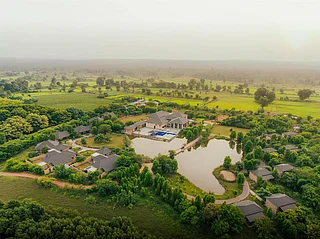
The sanctuary is near Rehekuri village in Karjat Taluka, about 80 kilometres from Ahmednagar city, in the semi-arid Deccan plateau. Its landscape has dry scrub forests mixed with wide grasslands, a type of ecosystem that is becoming rare and threatened in India.
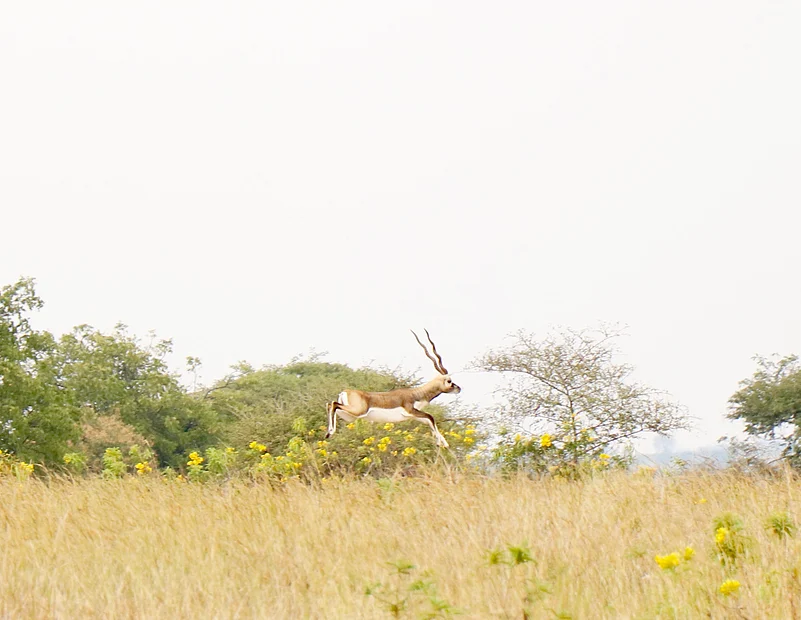
Grasslands are often misunderstood as 'empty' landscapes. In reality, they are highly specialised habitats that support unique species adapted to open visibility and speed. At Rehekuri, the landscape is perfectly suited to blackbuck herds, allowing them to detect predators from a distance and use their extraordinary agility to survive.
In the monsoon, the sanctuary turns bright green. After the rains and in winter, golden grasses shine in the sunlight, making it a great spot for photographers and nature lovers.

Things To Do And See At Rehekuri Blackbuck Sanctuary
Blackbuck Sightings
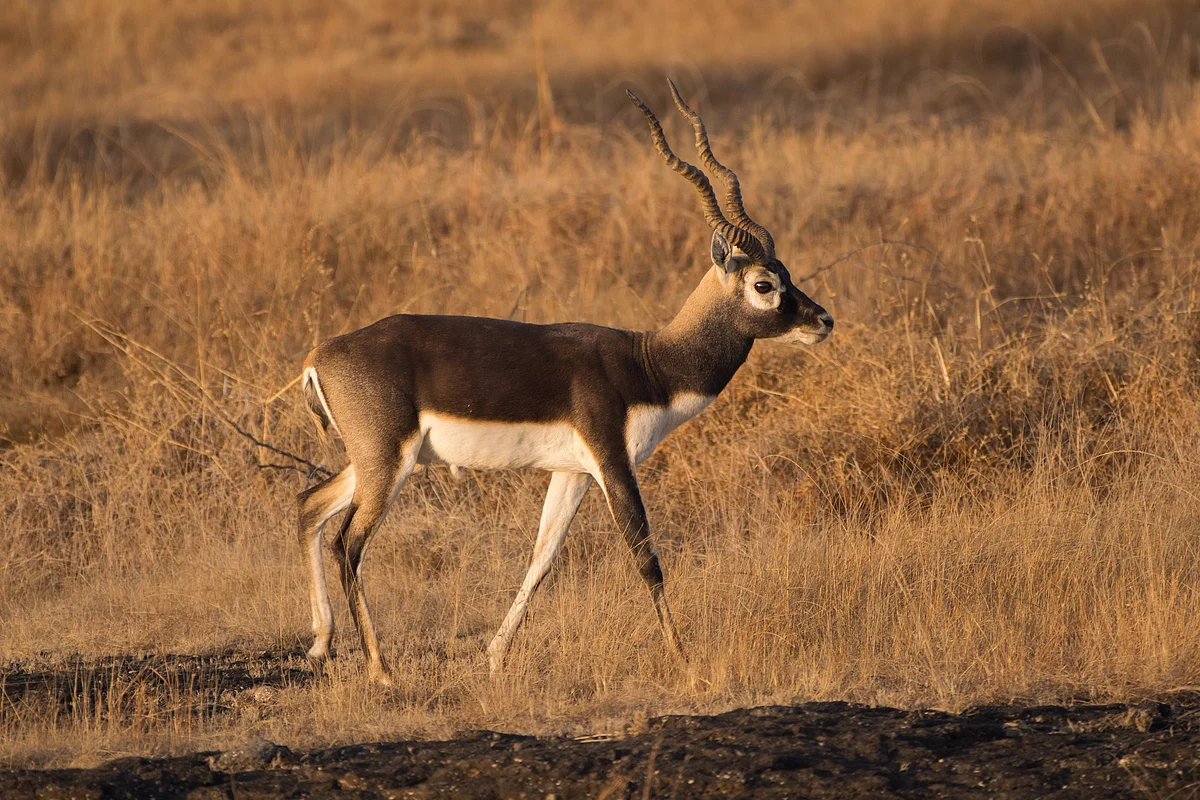
The highlight of the sanctuary is the blackbuck, Antilope cervicapra, also known as Kalvit. The sanctuary supports an estimated population of around 400 individuals. Male blackbucks are easily recognisable by their long, spiral horns and contrasting dark brown and white colouring. Females and juveniles, lighter in colour and hornless, move in cohesive herds across the plains.
Chinkara And Other Grassland Fauna
Beyond blackbuck, Rehekuri is home to the graceful chinkara (Indian gazelle), Indian wolves, Indian foxes, and jackals. The presence of predators such as wolves helps maintain a balanced ecosystem. Observing this predator-prey dynamic, even indirectly through tracks and signs, gives visitors insight into how delicate yet resilient grassland environments can be.
Birdwatching In Open Skies
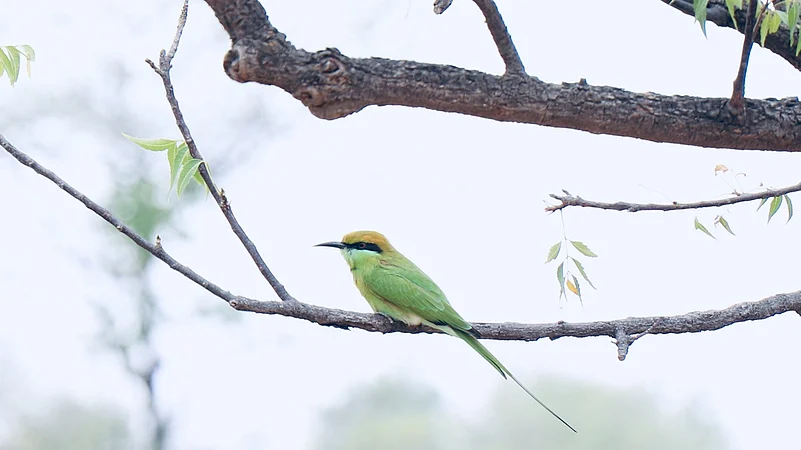
The open land at the sanctuary is great for birdwatching. Many local and migratory birds visit, especially in winter. You can often see peafowl, birds of prey, and ground-nesting birds. With few trees and wide skies, it’s easy to spot birds flying or sitting on the scrub.
The sanctuary has historically been part of the habitat range of the critically endangered Great Indian Bustard, locally known as the Maaldhok. While sightings today are extremely rare, its presence in this landscape highlights the ecological importance of protecting Maharashtra’s remaining grasslands.
Nature Walks And Photography
Guided walks help visitors learn about the importance of scrub forests and native grasses. These walks are peaceful and educational, perfect for people who enjoy slow, thoughtful travel instead of quick safaris.
In addition to guided walks, jeep safaris are available from 7:00 AM to 3:00 PM. These safaris let you see more of the sanctuary and increase your chances of spotting blackbuck and other animals safely.
Nearby Attractions
Siddhatek Ganesh Temple
Siddhatek Ganesh Temple is about 30 kilometres from the sanctuary. It is one of the respected Ashtavinayak temples dedicated to Lord Ganesha and sits by the Bhima River. Visiting the temple adds a peaceful spiritual stop to your wildlife trip.
Bhigwan Bird Sanctuary
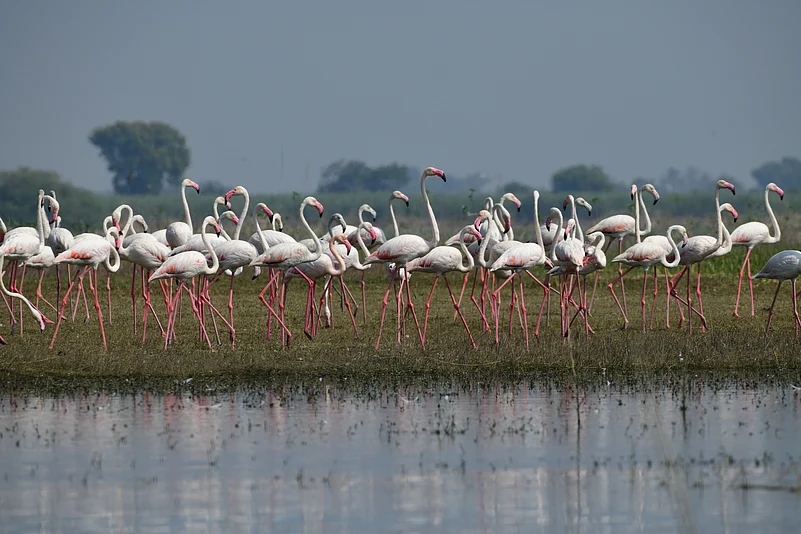
Approximately 70 kilometres away, Bhigwan Bird Sanctuary is often referred to as the ‘Bharatpur of Maharashtra’. Winter brings migratory flamingos and a stunning variety of waterbirds, making it a must-visit for bird enthusiasts.
Rashin Devi Temple
Located about 20 kilometres from Rehekuri, the Rashin Devi Temple in Rashin village is dedicated to Goddess Jagadamba and draws devotees from surrounding districts throughout the year.
How To Get To Rehekuri Blackbuck Sanctuary
By Air: The nearest major airport is Pune International Airport, approximately 150 kilometres away. From Pune, visitors can either hire a taxi or drive to the sanctuary.
By Train: The closest railway station is Ahmednagar Railway Station, about 66 kilometres away. Another convenient option is Daund Railway Station, located around 60 kilometres from the sanctuary.
By Road: Rehekuri is well connected by road from Pune, Nashik, Aurangabad, Beed, and Solapur. State transport buses operate regularly, though private vehicles offer greater flexibility for exploring the surrounding rural landscapes.
Best Time To Visit
The best time to visit Rehekuri Blackbuck Sanctuary is from August to January. After the monsoon, in August and September, the sanctuary is green and perfect for watching blackbuck herds. From October to December, the cool air makes walking pleasant. January is great for photographers, with soft light and chances to see blackbuck and migratory birds like harriers and buntings. Summers, from April to June, are very hot, and the monsoon can make access difficult at times.
Entry Time And Fees
The sanctuary is generally open from 7:00 AM to 3:00 PM.
As of early 2026, the standard entry fee is approximately INR 60 for adults and INR 30 for children. Additional charges may apply for photography and vehicle entry. Visitors are advised to confirm current rates and permissions in advance, as fees may be revised periodically by the Forest Department.
Responsible Travel Guidelines
Visitors are encouraged to:
Maintain a safe distance from wildlife.
Avoid loud noises that may disturb animals.
Minimise plastic use and dispose of waste responsibly.
Opt for guided visits for deeper ecological understanding.
Wear appropriate clothing and footwear for outdoor exploration.
Grassland ecosystems are some of the most endangered habitats in India. By traveling responsibly at Rehekuri, you help protect these important landscapes and their wildlife for the future.