

Maharashtra continues to rank among the top states preferred by foreign tourists. What policy initiatives have contributed to this achievement?
Maharashtra has long been a preferred destination for foreign tourists due to its rich natural beauty and heritage assets. To further enhance international and domestic arrivals, Maharashtra Tourism has focused on developing international-standard infrastructure across heritage, coastal, urban, and MICE segments, supported by investment subsidies and SGST reimbursements.
The state actively participates in global tourism and MICE forums, institutional collaborations, and promotes international bidding processes. Adoption of rigorous sustainability, safety, and inclusivity standards has strengthened Maharashtra’s reputation as a credible global destination. Significant investments in convention centres, aquatic tourism, and wellness tourism further reinforce the state’s appeal to international markets.
What are the key domestic and international target markets for Maharashtra Tourism, and how is the state leveraging its heritage sites?
Maharashtra Tourism follows a strategic dual-market approach to maximise visitor inflow from domestic and international markets. Domestically, the focus is on travellers from major metropolitan cities and emerging Tier II hubs. Internationally, the state targets established markets such as the United Kingdom, Europe, Japan, and the United States, while expanding outreach to Australia and other global convention destinations.
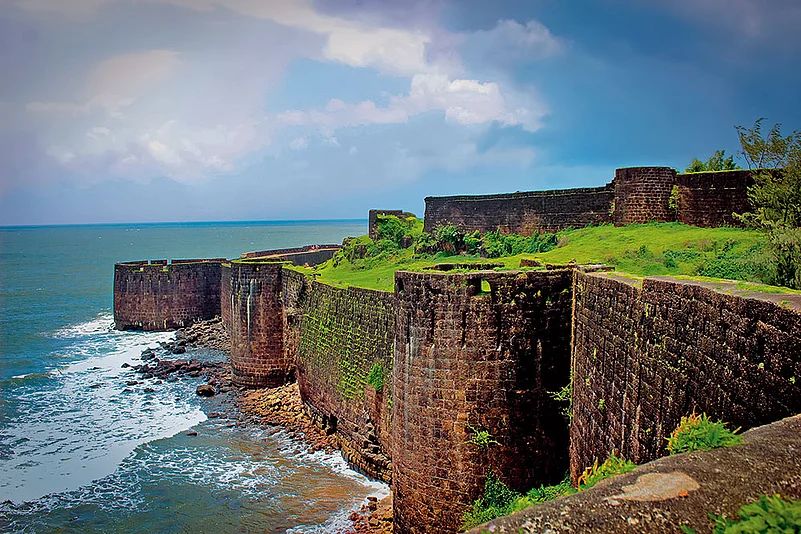
A major milestone was achieved in July 2025 when UNESCO inscribed the Maratha Military Landscapes of India as a World Heritage Site. This recognition covers twelve historic forts that showcase the strategic and architectural excellence of the Maratha Empire. These include hill forts such as Salher, Shivneri, Lohgad, Raigad, and Rajgad; Pratapgad and Panhala; the coastal forts of Vijaydurg, Khanderi, Suvarnadurg, and Sindhudurg. By leveraging these UNESCO-recognised sites, Maharashtra is strengthening its positioning as a premier destination for heritage and cultural tourism.

How is MTDC expanding and upgrading its resort infrastructure across Maharashtra?
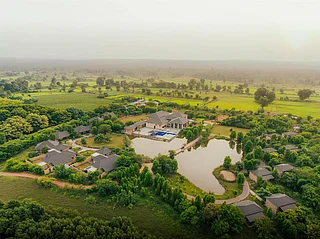
MTDC operates a large network of tourist resorts across beaches, wildlife destinations, pilgrimage centres, heritage sites and hill stations in Maharashtra. These resorts play an important role in providing safe, affordable and reliable accommodation for both domestic and international tourists. In recent years, MTDC has focused on expanding and upgrading its infrastructure through new constructions and the renovation of existing properties. Tourist resorts at destinations such as Dajipur, Dhamapur, Naleshwar, Tipeshwar and Sahasrakund have recently been developed to strengthen accommodation capacity in emerging destinations. Renovation work has also been carried out at facilities such as the Elephanta Tourist Resort to enhance visitor amenities. These efforts aim to improve service standards while supporting tourism growth across the state’s regions.
What initiatives is MTDC undertaking to strengthen aquatic tourism in Maharashtra?
Maharashtra has a vast coastline along the Arabian Sea, as well as numerous dams, lakes, and reservoirs, which offer significant potential for aquatic tourism. MTDC has been actively developing water sports and boating facilities at key destinations such as Tarkarli, Ganpatipule, Nashik (Gangapur Dam) and other inland locations. These centres offer activities such as boating, jet skiing, and kayaking, helping diversify tourism experiences in the state. One of the major highlights is the Indian Institute of Scuba Diving and Aquatic Sports in Tarkarli, which offers professional scuba-diving training and promotes marine tourism. Additionally, the Ex-INS Guldar Underwater Museum and Artificial Reef project at Sindhudurg will create a unique attraction while also supporting marine biodiversity.
How is the Public-Private Partnership (PPP) model supporting tourism development in Maharashtra?
To accelerate tourism development and improve infrastructure, the Government of Maharashtra has introduced a Public-Private Partnership model for select MTDC properties. Under Government resolutions issued by the Tourism and Cultural Affairs Department, tourism-oriented development is being undertaken on land owned by MTDC with participation from private developers. In the first phase, developers were selected for identified five properties, and agreements have already been executed.
The next phase involves inviting tenders for significant MTDC properties that can be developed into 3-star, 4-star and 5-star tourism facilities. This initiative is expected to enhance hospitality infrastructure, attract private investment, generate revenue for MTDC, ensure high-quality services for visitors, and promote sustainable tourism development across Maharashtra.
What steps are being taken to ensure consistent standards of safety, cleanliness, and service quality across Maharashtra’s tourist destinations?
Maharashtra Tourism prioritises safety, cleanliness, and uniform service delivery through strict standards and trained human resources. The Tourism Mitra Scheme deploys trained personnel at key destinations to assist visitors, manage crowd movement, promote responsible behaviour, and ensure safety protocols are followed.
Sustainable standards, such as the prohibition of plastic, comprehensive waste management systems, and mandatory Swachhata compliance, apply to all tourism establishments. Accessibility measures, women-friendly facilities, and universal design principles are integrated into tourism infrastructure. Close monitoring and coordination ensure consistent service delivery across destinations, reinforcing Maharashtra’s reputation as a safe, clean, and efficiently managed tourism state.