Once thought to be gone, five bird species unseen for over a decade were rediscovered in 2025. Their rediscovery was driven by persistence, new technology, and sharp-eyed birdwatchers in remote forests worldwide.
Their return, documented in the 2026 update of the Search for Lost Birds project, is more than a feel-good story. It’s a reminder of how fragile yet resilient biodiversity can be.
The Birds That Reappeared

All five rediscovered species are from island ecosystems in Southeast Asia and Oceania, regions known for rich biodiversity and ecological vulnerability.
Bismarck kingfisher (Ceyx websteri), missing for 13 years, was photographed in Papua New Guinea’s Bismarck Archipelago.
Biak myzomela (Myzomela rubrobrunnea), unseen for two decades, resurfaced in Indonesian Papua.
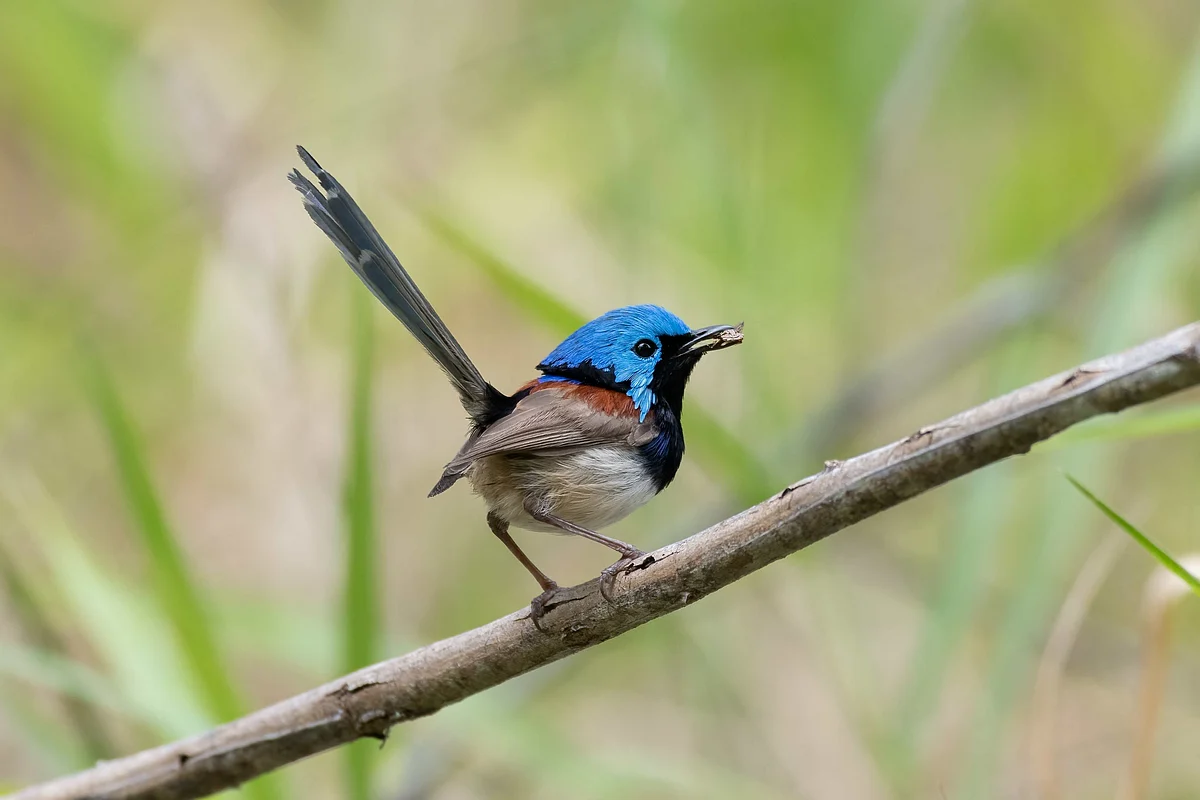
The broad-billed fairywren (Chenorhamphus grayi) was photographed and recorded for the first time in 11 years.
Sulu cuckooshrike (Coracina guillemardi), absent for 18 years, was rediscovered in the Philippines’ Sulu Archipelago.
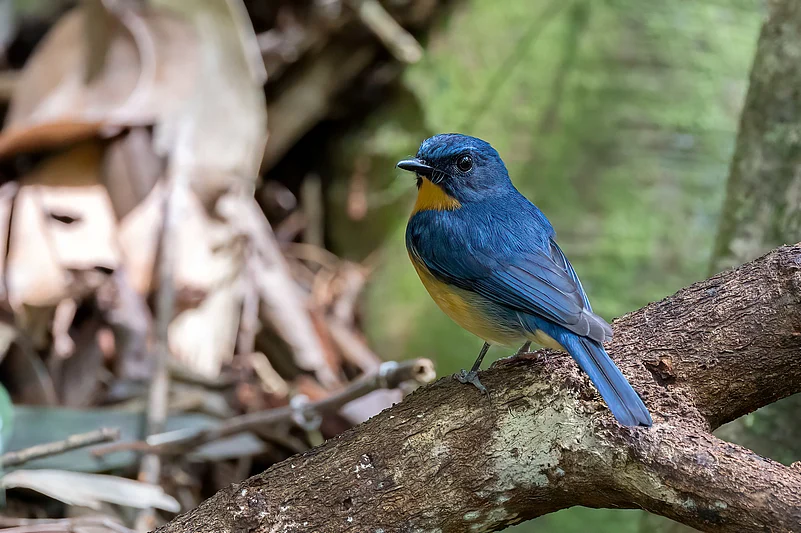
Rufous-breasted blue flycatcher (Cyornis camarinensis), last seen in 2008, reappeared in Luzon.
Among all rediscoveries, one discovery stands apart, especially for India. Jerdon’s courser (Rhinoptilus bitorquatus), a critically endangered nocturnal bird endemic to South India, was recorded after 125 years. The evidence so far is acoustic, meaning it was only recorded by sound. Therefore, the bird’s return remains unverified unless there's a visual confirmation.
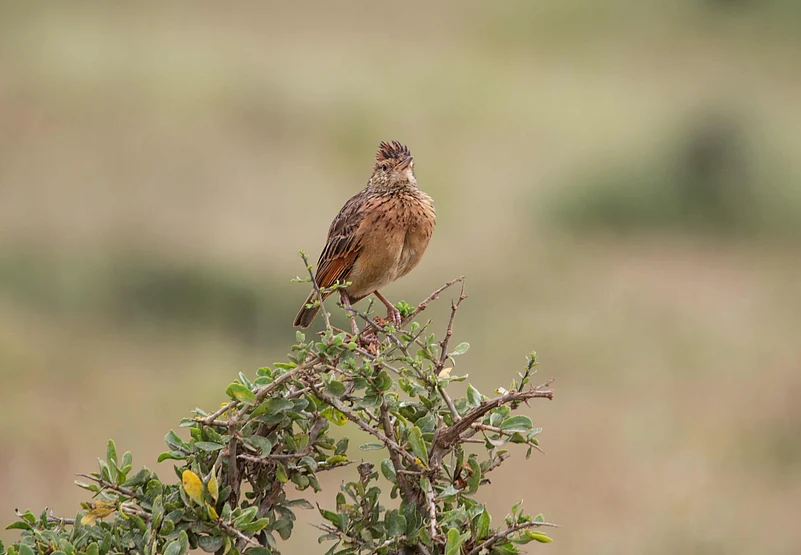
Another addition was also recorded in February 2026, wherein two French birders photographed the rusty bush lark (Calendulauda rufa) in Chad. The species hadn’t been seen in 94 years.
Each sighting, whether a photograph or a recording, has reshaped the global understanding of what’s still out there.
What Exactly Is A “Lost” Bird?
The Lost Birds List, maintained by the Search for Lost Birds initiative, a collaboration between the American Bird Conservancy, Re:wild and BirdLife International, tracks species that haven’t been documented for at least ten years.
Unlike the IUCN Red List, which evaluates extinction risk, this list works as an early warning system. It flags species that may be slipping through the cracks, before they are officially declared endangered or extinct.
Since 2022, the number of “lost” birds has dropped from 163 to 120, thanks largely to rediscoveries like these.
How The Birds Were Found
The rediscoveries are not solely the product of scientists working in the field; rather, they reflect a broader, global community effort.
Researchers comb through public databases like eBird, iNaturalist, and Xeno-Canto, where birdwatchers upload sightings, photos, and audio recordings. In many cases, it’s these everyday observers who make the first breakthrough.
As project director John Mittermeier puts it, the joy lies in “seeing these discoveries that people around the world are making.”
In other words, conservation today is as much crowdsourced as it is scientific.
Not All Stories End In Rediscovery
In 2026, six birds were added to the “lost” list, including the Mindoro bleeding-heart, Mindoro imperial pigeon, and several island endemics from Indonesia and the Pacific. Each has gone unrecorded for over a decade.
Island species, in particular, face limited habitat, invasive species, and climate-driven threats such as rising seas and stronger storms.
And sometimes, the outcome is final. The slender-billed curlew, last seen in 1995, was officially declared extinct in 2025, a sobering counterpoint to the year’s rediscoveries.
Why This Matters Now
Birds are among the clearest indicators of environmental change. When they disappear, it often points to larger problems, such as habitat loss, climate stress, and human impact.
Rediscoveries don’t solve those issues, but they do buy time. Time to protect habitats, study vulnerable populations, and act before a species disappears for good.
The shrinking Lost Birds List is encouraging, but it’s not an endpoint. It continues to evolve with every new or missed sighting, showing that some species are still out there and that finding them is the first step toward saving them.
(With inputs from various sources)
FAQs
1. What does it mean when a bird species is called “lost”?
A lost bird species refers to one that has not been officially recorded, through sightings, photographs, or audio, for at least 10 years.
2. Which bird species were rediscovered in 2025?
Five key rediscoveries include the Bismarck kingfisher, Biak myzomela, broad-billed fairywren, Sulu cuckooshrike, and rufous-breasted blue flycatcher. Additionally, rare sightings like Jerdon’s courser (India) and the rusty bush lark (Chad) added to the year’s significant findings.
3. How are “lost” birds rediscovered after so many years?
Rediscoveries often result from a mix of field expeditions, local knowledge, and modern tools like camera traps and audio recorders. Increasingly, platforms such as eBird and iNaturalist allow birdwatchers worldwide to upload sightings, making conservation more collaborative and data-driven.
4. Why are many rediscovered birds found on islands?
Island ecosystems host unique species that evolve in isolation, but they are also highly vulnerable to habitat loss, invasive species, and climate change. Their remoteness can make them harder to study, which is why some species go unrecorded for years before being rediscovered.
5. Does rediscovery mean a species is no longer endangered?
No. Rediscovery simply confirms that a species still exists. Most rediscovered birds remain critically endangered due to small population sizes, limited habitats, and ongoing environmental threats. Conservation efforts become even more urgent after rediscovery.