

Sponsored Content
Just when Mumbai begins to feel claustrophobic under pewter skies, the Sahyadris perform their annual miracle. Hills turn velveteen green, waterfalls stitch silver lines down basalt cliffs, and forgotten plateaus bloom in quiet defiance. Not far from the toy train whistles and colonial-era promenades of Matheran lies Garbett Plateau—a sweep of wild grasslands and wind-brushed ridges that feels gloriously untamed. Close enough for a weekend, yet far enough to feel like a secret, this is where the monsoon truly unfurls its theatre.
Unlike Matheran’s more frequented viewpoints, Garbett remains deliciously under the radar. It is less about railings and signboards, more about walking through clouds that arrive unannounced. Here, the reward is not just a summit, but the journey itself—through paddy fields, forest clearings, and flower-flecked meadows that look as though they’ve been dusted by an impressionist’s brush.
Emerald Carpet Unfurls
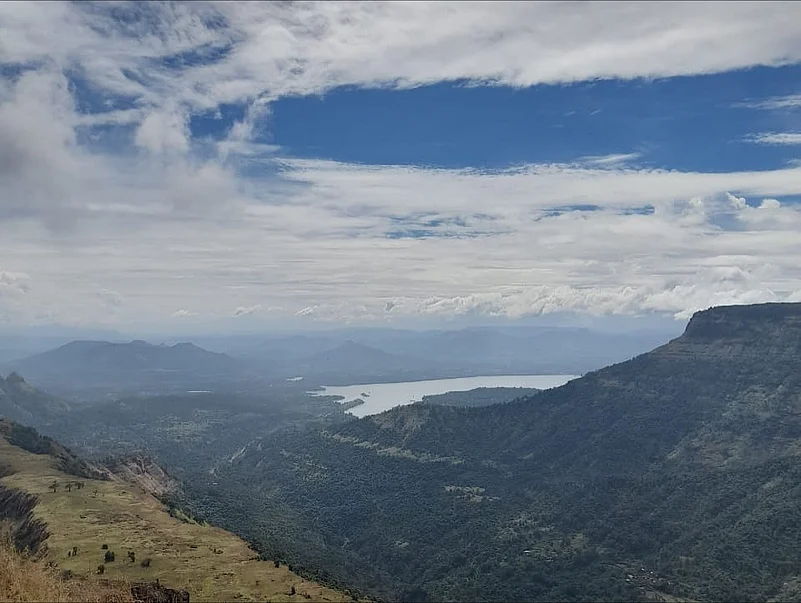

Set at approximately 2,625 feet above sea level in the Sahyadri range, Garbett Plateau lies on the outskirts of Matheran, one of India’s smallest—and Asia’s only automobile-free—hill stations. The trail traditionally begins near Bhivpuri Road railway station, well connected to both Mumbai and Pune via Karjat. From the station, the route threads through Diksal village, skirting Dhom Dam before climbing steadily toward the plateau and eventually linking to Matheran near Dasturi Naka.
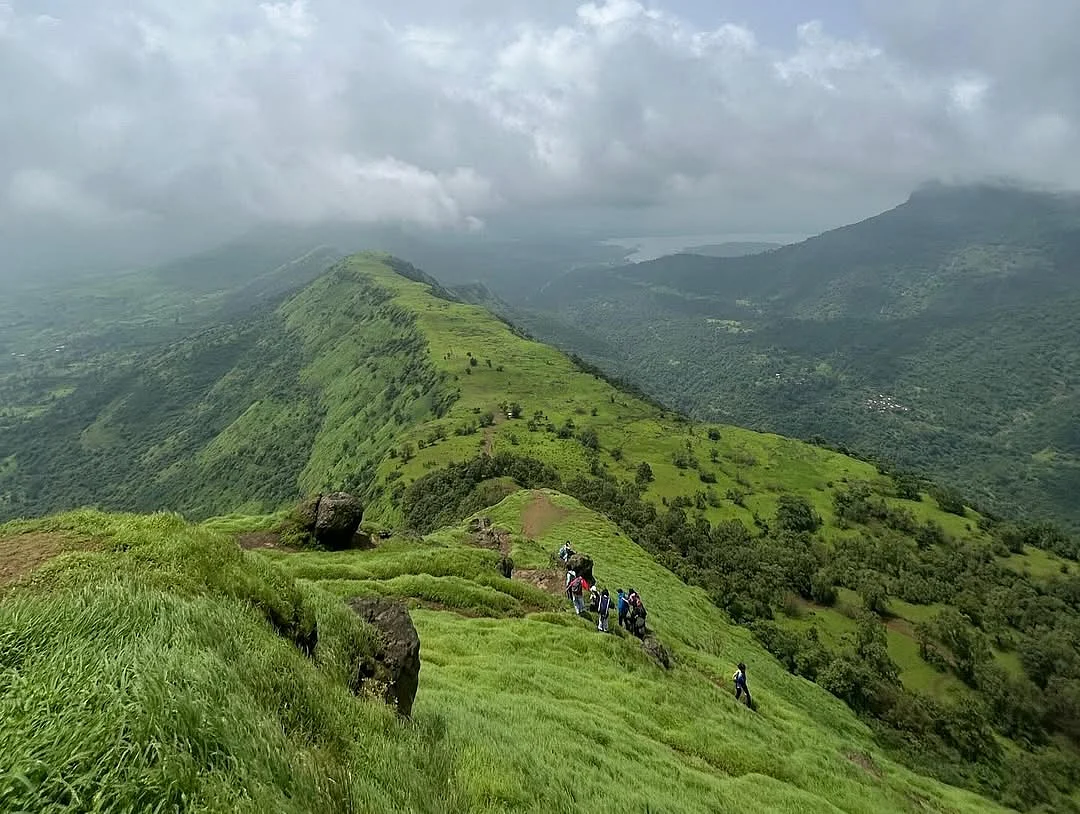
What makes this trek especially compelling during the monsoon is the landscape’s transformation. The plateau becomes a vast emerald carpet, embroidered with seasonal wildflowers that bloom briefly but brilliantly between July and September. Shades of yellow, violet, and white scatter across the grasslands, while butterflies hover lazily in the mist. Morbe Dam glints in the distance on clear days, and Dhom Lake curves like a quiet sentinel at the base of the hills.
The climb itself is considered moderate, spanning roughly eight kilometres point-to-point. Most trekkers take between three to four hours to ascend, with a shorter descent toward Matheran. While beginners with basic stamina can attempt it, sections can become slippery in heavy rain, especially near stream crossings and steeper patches. Good trekking shoes with reliable grip are not optional here—they are essential.
Village Trails Whisper
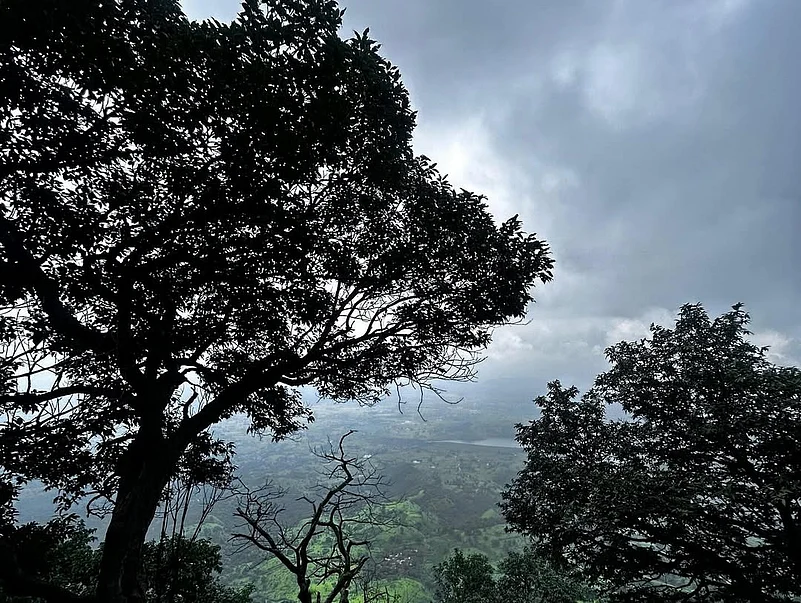
One of Garbett’s understated charms lies in the rhythm of its rural landscapes. The path passes through Sagachiwadi, a small hamlet framed by paddy fields that ripple in the wind. During monsoon, the fields glow in luminous shades of green, offering a pastoral counterpoint to the drama of the plateau above. It is not uncommon to encounter local children watching curiously as trekkers pass, or farmers tending to crops beneath low-hanging clouds.
This stretch also reveals the ecological diversity of the region. The Sahyadris are part of the Western Ghats, a UNESCO World Heritage Site known for endemic flora and fauna. Birdsong accompanies much of the climb, and the forests shelter a variety of species, making the trail quietly rewarding for nature enthusiasts.
Historically, Garbett Point is believed to have been identified in the mid-19th century by Hugh Poyntz Malet, then Collector of Thane district. While Matheran evolved into a colonial retreat, Garbett retained a wilder identity. Even today, despite its proximity to a popular hill station, commercialisation has largely bypassed the plateau. There are no cafés perched dramatically at the edge, no souvenir stalls dotting the ridge—just sweeping views and the occasional metal railing marking Garbett Point, the highest section of the trek.
Because the trail is point-to-point, logistical planning is key. Many trekkers ascend from Bhivpuri and exit via Matheran, hiring a shared taxi from Dasturi Naka to Neral station for the return journey. Others choose to stay overnight in Matheran, where accommodation ranges from heritage bungalows to modest guesthouses. Camping is possible on the plateau in winter, though monsoon winds can make pitching tents challenging.
Clouds Play Hide & Seek
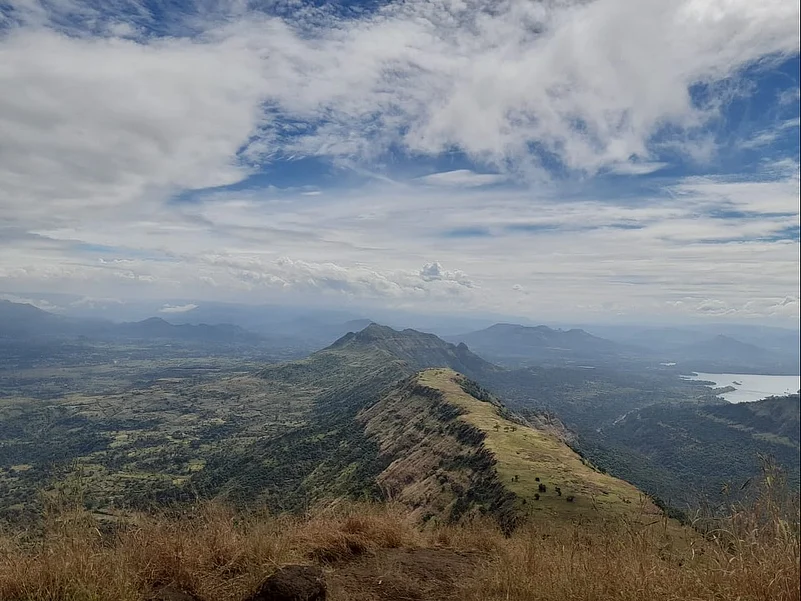
If summer belongs to clear horizons, monsoon belongs to mood. At Garbett, clouds do not simply drift—they perform. They sweep across the plateau in thick veils, swallowing entire ridgelines before parting just enough to reveal a glimpse of the valley below. One minute you can barely see a few feet in front of you, and the next, the whole area opens up.
From Garbett Point, the plateau seems to extend infinitely. On a pleasant morning, the way the light plays on the fields seems otherworldly. When it rains hard, waterfalls pour down the hills around you, and you can hear them all through the valley. Even when you can't see much, walking through the moving fog is special.
The best time to go is from July to September, when the monsoon season is at its peak and the flowers are blooming. It's a good idea to start early to skip the afternoon rain and to be sure you have enough daylight. Bring enough water, some snacks, and something to keep you dry. You can find food in Matheran, but there aren't many places to eat on the trail, except for some village houses that might offer simple food.
It takes about 1.5 to 2 hours to get there from Mumbai by train to Bhivpuri Road or Neral. So, it's easy to plan a one-day outing. Yet Garbett rewards those who linger—perhaps with a slow walk through Matheran’s red-earth paths after the trek, or a cup of tea overlooking the valley before descending back to the plains.
In a region known for iconic forts and crowded viewpoints, Garbett Plateau remains refreshingly unhurried. It is a place where the monsoon writes its own script, where wildflowers bloom without audience, and where the Western Ghats reveal a quieter, more contemplative side. For those seeking a trail less traversed near Mumbai—one that balances accessibility with solitude—Garbett offers a compelling invitation.
Pack light, tread gently, and let the clouds decide what they will reveal.