

_-_img_01.jpg?w=1200&auto=format%2Ccompress&fit=max&format=webp&dpr=1.0)
Jaipur’s iconic Walled City, celebrated for its UNESCO World Heritage Site designation, is under fresh international scrutiny over illegal construction and redevelopment work. The World Heritage Committee has given Jaipur until December 2026 to submit a comprehensive report addressing key issues raised in 2023 and reiterated in 2025. Failure to respond adequately could lead to closer monitoring and, in the long run, risk the city’s heritage status.
Why Jaipur’s Walled City Is A UNESCO World Heritage Site
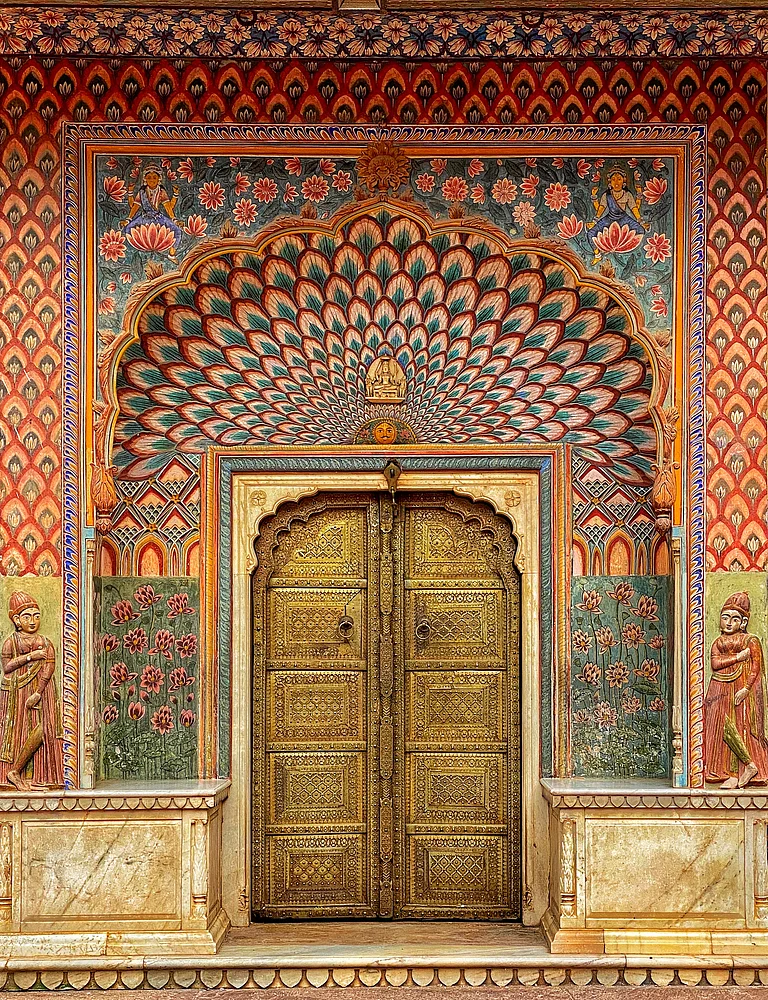
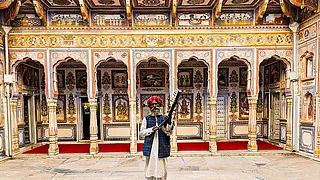
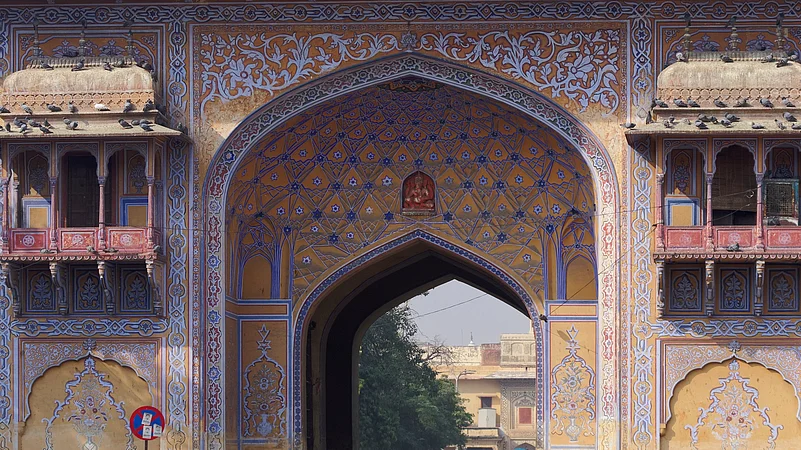
Founded in 1727 by Maharaja Sawai Jai Singh II, Jaipur is among India’s first planned cities. Known as the Pink City, it was built on a grid inspired by Vedic design. Its pink façades, bazaars, gateways, temples, and havelis form a distinct historic landscape.
UNESCO’s 2019 recognition boosted Jaipur’s reputation and tourism. Landmarks like Hawa Mahal and the City Palace keep the Walled City a living heritage site.
Yet this vibrancy now puts Jaipur’s heritage in immediate jeopardy.
In 1991, the Walled City reportedly had around 1,200 havelis. Today, that number has fallen to about 800, reflecting years of demolition, neglect, and redevelopment.
What Are The Concerns Raised By UNESCO?

UNESCO’s World Heritage Centre has raised concerns about construction and redevelopment activities within both the core and buffer zones of Jaipur’s Walled City.
In its 2025 report, it highlighted projects such as:
Kalupur Railway precinct redevelopment in the buffer zone
Danapith Fire Station redevelopment within the core heritage area
Other ongoing initiatives include:
Redevelopment of Kishanpole College
Expansion of Pandit Deen Dayal Upadhyay Hospital
Conservation of baoris (stepwells)
Jaipur Metro Rail extension from Badi Chaupar towards Transport Nagar
While development isn’t inherently at odds with heritage, UNESCO requires strict compliance with conservation standards and thorough heritage impact assessments before proceeding.
Jaipur faces a strict deadline of December 2026 to urgently resolve these issues in a detailed conservation report. An inadequate response may trigger immediate UNESCO intervention through a Reactive Monitoring Mission.
What Is Reactive Monitoring And The ‘Danger’ List?
Reactive monitoring is a process UNESCO uses when a World Heritage Site faces potential threats to its conservation.
If serious issues persist, a site may be placed on the List of World Heritage in Danger. This does not mean automatic removal but signals that urgent corrective action is required. Sites on this list are reviewed annually and closely monitored.
Globally, only three World Heritage Sites have been delisted so far: Liverpool’s maritime mercantile city (England), Dresden Elbe Valley (Germany), and the Arabian Oryx Sanctuary (Oman).
In India, sites such as Hampi and Ahmedabad have previously undergone reactive monitoring. Ajanta, Ellora Caves, and Manas National Park have also faced UNESCO scrutiny at various points.
Jaipur’s conservation report will face intense scrutiny at the 49th session of the World Heritage Committee in 2027, making the coming two years absolutely critical for the Walled City’s future.
Balancing Development And Conservation
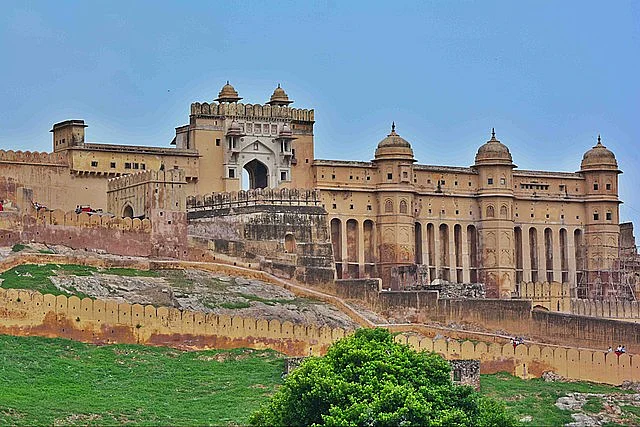
The Rajasthan government has submitted a conservation report in response to UNESCO’s 2025 feedback and is finalising the Special Area Heritage Plan. Authorities are also promoting Amer Fort, Jal Mahal, and nature trails to enhance heritage tourism.
However, conservation experts urgently warn that uncontrolled tourism growth must not jeopardise authenticity. Encroachments, unregulated construction, and insensitive alterations in protected heritage zones are putting the Walled City’s status in immediate danger.
(With inputs from various sources.)
FAQs
1. Why is Jaipur’s UNESCO status under scrutiny?
Jaipur is under review due to concerns raised by UNESCO over redevelopment and construction projects within the Walled City’s core and buffer zones.
2. When was Jaipur declared a UNESCO World Heritage Site?
The Walled City of Jaipur was inscribed as a UNESCO World Heritage Site in 2019.
3. What is reactive monitoring by UNESCO?
Reactive monitoring is a process used by UNESCO when a World Heritage Site faces potential threats to its conservation. It may include on-ground inspections and annual reviews.
4. Can Jaipur lose its UNESCO World Heritage status?
Loss of status is rare but possible. If serious conservation issues persist, a site may first be placed on the List of World Heritage in Danger before any delisting decision.
5. Which Indian heritage sites have faced UNESCO scrutiny before?
Sites such as Hampi and Ahmedabad have undergone reactive monitoring in the past.
6. What is the deadline for Jaipur to respond?
Jaipur must submit a comprehensive conservation report by December 2026. The findings will be reviewed at the 49th session of the World Heritage Committee in 2027.