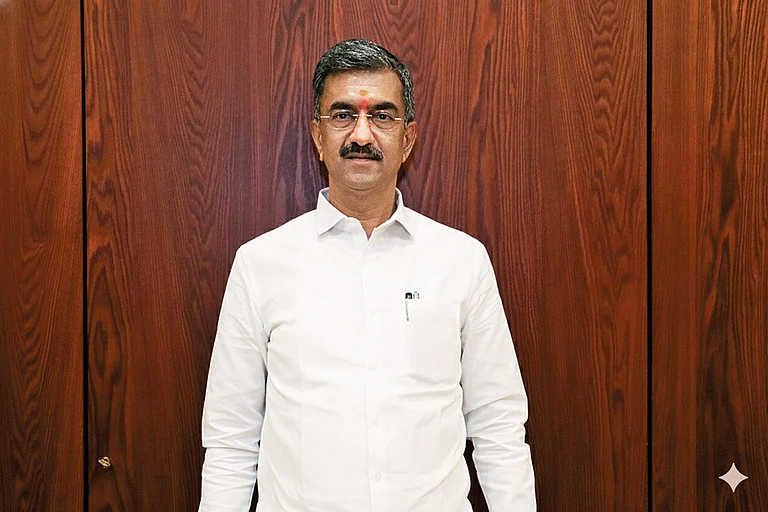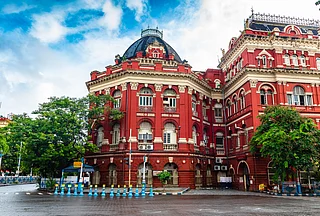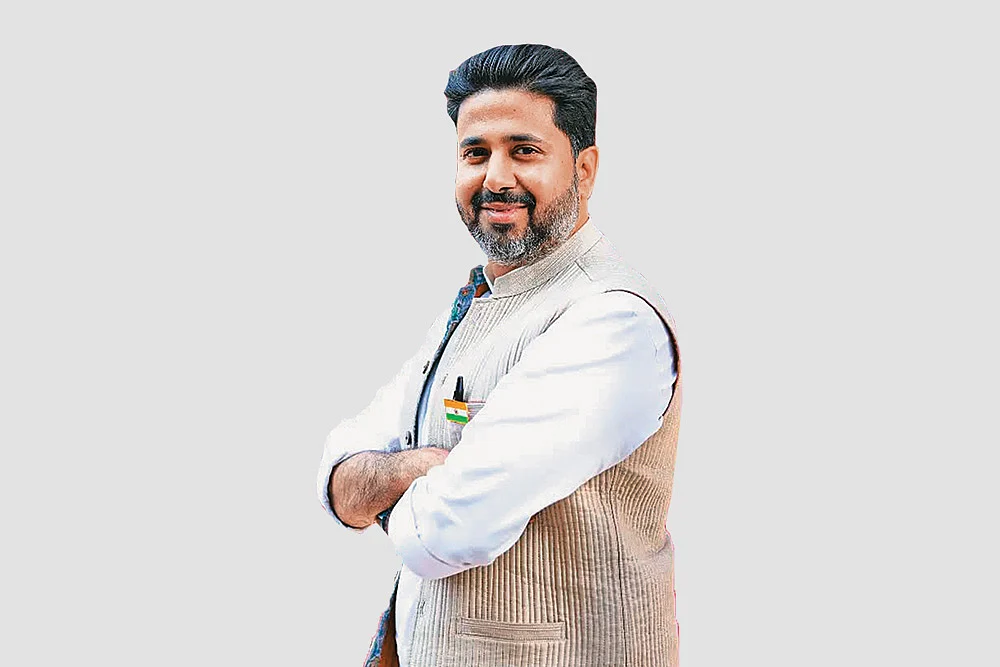
The Maharashtra Tourism Policy 2024 aims to attract Rs 1 lakh crore in investments and create 18 lakh jobs over the next decade. Can you highlight the core strategies driving these ambitious targets and how they position Maharashtra as a global tourism hub?
The Maharashtra Tourism Policy 2024 is a transformative roadmap to elevate Maharashtra as a global tourism leader, contributing to India’s USD 3 trillion tourism economy by 2047. Our core strategies include attracting INR 1 lakh crore in private investments and generating 18 lakh direct and indirect jobs by 2034 through streamlined approvals, fiscal incentives, and infrastructure development. We are offering capital subsidies of up to INR 20 crore, SGST reimbursements, and exemptions from electricity duty to boost sectors such as hospitality and MICE.
The policy targets 50 tourism hubs across A, B, and C tiers, promoting diverse offerings—from heritage forts and Konkan beaches to spiritual sites like Shirdi. Sustainability is central to the policy, with initiatives such as no-single-use-plastic zones and EV adoption at tourist sites. By leveraging digital platforms and public-private partnerships, we are showcasing Maharashtra’s cultural and natural wealth globally, fostering inclusive growth, and creating economic opportunities for millions.
The Maharashtra Convention Bureau (MCB) is a bold move to capture the global MICE market. How will it strengthen Maharashtra’s position, and what specific outcomes are you targeting by 2030?
The Maharashtra Convention Bureau, launched at IMEX Frankfurt 2025, is set to position Maharashtra as a global MICE leader by capitalising on our robust infrastructure, such as Mumbai’s Jio World Convention Centre, which hosted 150 events in 2024 alone. The MCB streamlines logistics and collaborates closely with global event planners to position cities like Mumbai, Pune, Nashik, and Nagpur as premier MICE destinations.
We are targeting a 2x increase in MICE-related revenue, contributing significantly to the state’s goal of a USD 1 trillion economy by 2028. Specific outcomes include securing high-profile events such as the International Baccalaureate Congress 2026 and bidding for the International Astronautical Congress 2028, alongside attracting 25 million international arrivals by 2030, in alignment with national tourism goals. The MCB is also expected to drive job creation—projected at 5 lakh MICE-related jobs by 2030—while fostering innovation and positioning Maharashtra as a global hub for intellectual and economic exchange.

The AAI scheme and rural tourism initiatives emphasise inclusivity. How are these programmes empowering local communities, particularly women, and what measurable impacts do you anticipate?
The AAI scheme is a flagship initiative designed to empower women entrepreneurs by supporting ten women-owned tourism businesses per district, including homestays and local cuisine ventures. Rural tourism initiatives, exemplified by Chinchani village near Solapur, have already created over 500 local jobs and boosted household incomes by 30 percent in pilot projects.
These programmes integrate local crafts and traditions, ensuring that nearly 70 percent of tourism revenue remains within local communities. By 2030, we aim to generate 3 lakh jobs through rural tourism, with 60 percent targeted at women and youth, while reducing urban migration by 15 percent. This is not just about economic empowerment; it is about preserving Maharashtra’s cultural heritage while building sustainable livelihoods and making rural communities the heartbeat of our tourism vision.
Maharashtra’s diverse attractions draw millions annually. How is the tourism department leveraging these to attract international tourists year-round, and what growth in tourist inflow is expected?
Maharashtra welcomed 7 million domestic tourists and 1.2 million international tourists in 2024, and we aim to double this inflow by 2034. Our strategy leverages iconic sites such as Ajanta–Ellora Caves, which saw 5 lakh visitors in 2024, along with coastal destinations like Tarkarli and spiritual hubs such as Nashik, which hosts nearly 2 million pilgrims annually.
We are enhancing connectivity through new air routes and the proposed 235-km Pune–Nashik high-speed rail corridor, which will reduce travel time by 40 percent. Digital innovations, including QR-code ticketing and AI-driven immersive experiences at Raigad Fort, are enhancing visitor engagement. Global marketing campaigns, supported by INR 5 lakh grants for participation in tourism expos, are targeting younger travellers. These efforts, backed by sustainable infrastructure, aim to increase international arrivals to 2.5 million by 2030, reinforcing Maharashtra’s year-round tourism appeal.
With Rs 273 crore allocated to tourism in 2024–25, how is Maharashtra balancing rapid tourism growth with environmental and cultural preservation, particularly in ecologically sensitive areas?
Our Rs 273 crore tourism budget, including INR 72.45 crore earmarked for eco-tourism across 30 sites, underscores our strong commitment to sustainability. We are implementing no single-use plastic zones, installing modern waste management systems, and promoting EV adoption, resulting in a 20 percent reduction in carbon emissions at key sites such as Lonar Crater.
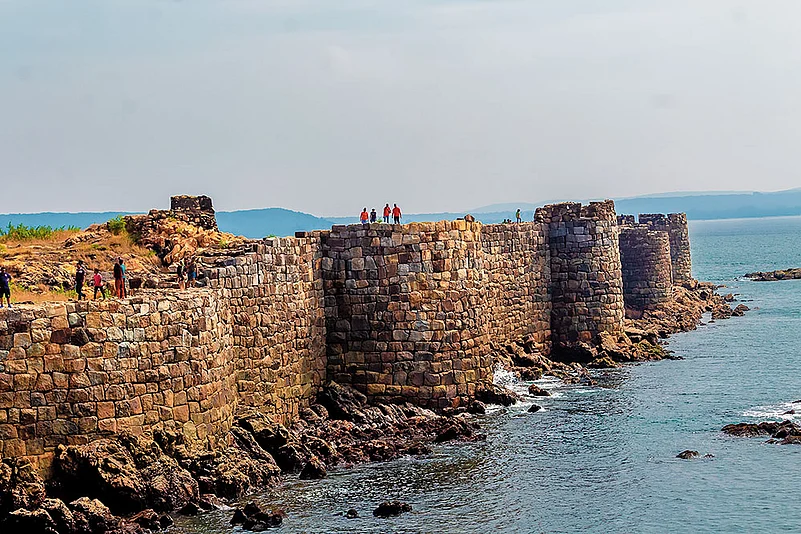
In the Western Ghats, visitor carrying-capacity studies and Environmental Impact Assessments are being conducted to limit ecological strain, with a target to cap tourist numbers at least 10 percent below maximum capacity. Partnerships with the Archaeological Survey of India have enabled the restoration of 15 forts, preserving cultural heritage while attracting nearly 3 lakh visitors annually. Community-led initiatives ensure that 80 percent of eco-tourism revenue supports local conservation efforts. This balanced approach—growth with stewardship—ensures Maharashtra’s natural and cultural treasures are preserved for future generations, while contributing meaningfully to India’s USD 250 billion tourism economy by 2030.