Sponsored Content
Maharashtra serves up one of India’s most fragrant and flavourful spice journeys, where old markets, time-tested culinary traditions and regional tastes come together to shape some of the country’s most loved masalas. From the buzzing spice lanes of Mumbai to the quieter mandais of Pune and the lush Konkan coast, where many of these ingredients grow, every stop draws you deeper into a world of colour, aroma, and unforgettable flavour.
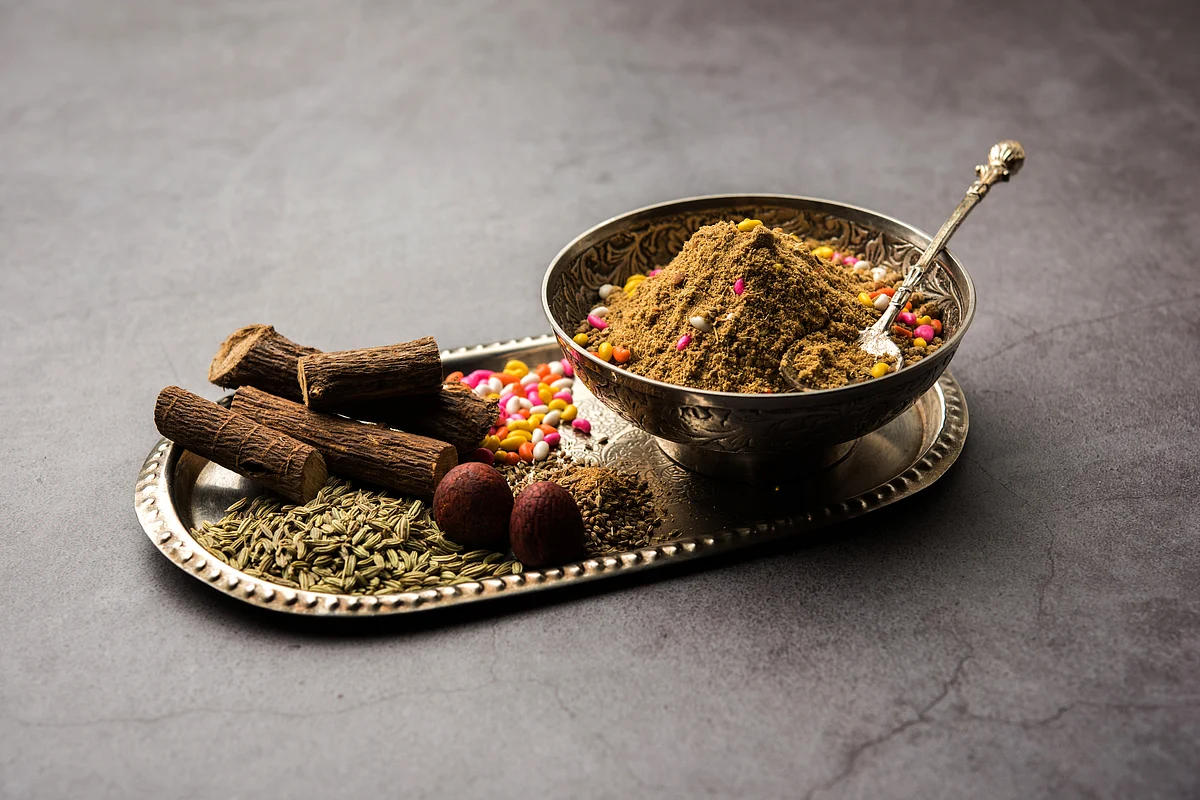
Maharashtra’s spice story begins in South Mumbai, where narrow bazaars burst with colour and fragrance. The state grows key kitchen essentials such as chillies, turmeric, garlic and tamarind, and is home to the GI-tagged Bhiwapur chilli from Nagpur district, known for its sharp heat and rich red hue. Spice blends like Kala masala define regional cooking with roasted coconut, sesame, cloves, cinnamon and stone flower, creating bold layered flavours.
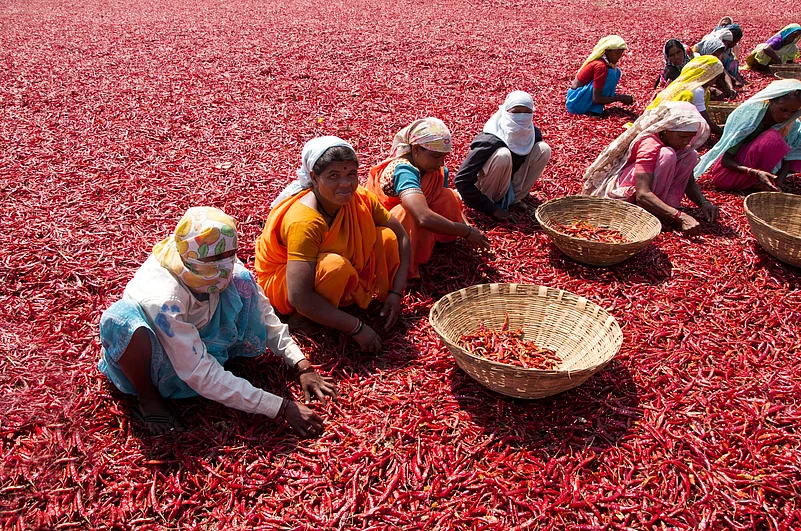

At the heart of the trail is Mirchi Galli, the famous chilli lane near Masjid Bunder. Vendors stack sacks of dried red chillies, coriander seeds, black pepper, star anise and bay leaves in towering displays. Shopkeepers grind masalas fresh while sharing family recipes that have travelled through generations. Just a short walk away, Crawford Market, officially known as Mahatma Jyotiba Phule Mandai, dates back to the nineteenth century and houses some of the city’s most reliable spice wholesalers. Visit early in the morning to watch traders unload produce and secure the freshest stock. In Lalbaug’s spice market, local families continue decades-old buying rituals, selecting hand-pounded turmeric and custom-blended Kolhapuri and Malvani masalas.
Pune’s Traditional Mandais And Rural Spice Routes
Travel southeast to Pune, where the historic Shivajinagar Market offers an equally vibrant spice experience. The market sits close to Pune Railway Station and connects easily by metro and bus from Pune International Airport. Here you find goda masala, dried red chillies from Satara, coriander from Sangli and fragrant cumin sold in bulk. Vendors explain the difference between everyday garam masala and the darker, more complex Kala masala used in traditional Maharashtrian curries.
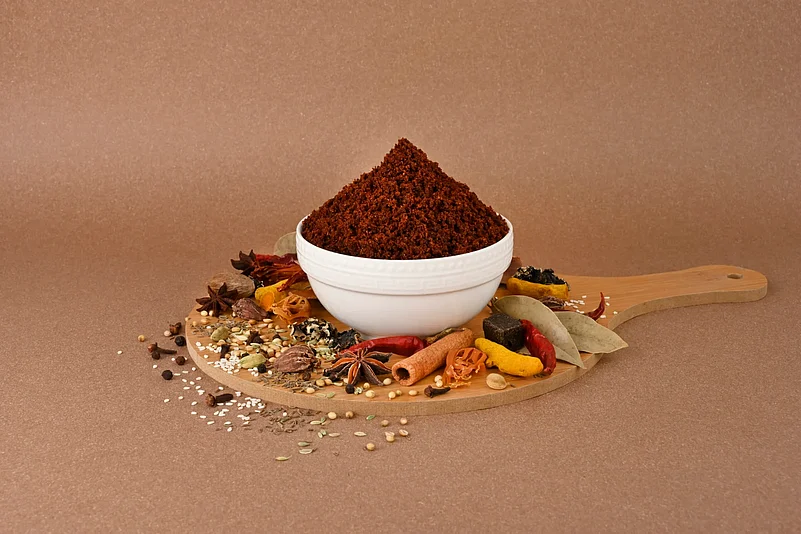
Beyond the city, the rural belt around Mulshi and villages on the edge of the Western Ghats brings you closer to source regions. Local haats sell homemade Malvani masala, sun-dried turmeric fingers and hand-sorted pepper. Rent a car or bike from Pune and drive into these villages during the post-monsoon months when the countryside turns lush green and markets brim with fresh harvest.
Konkan Coast And The Origins Of Maharashtrian Flavour
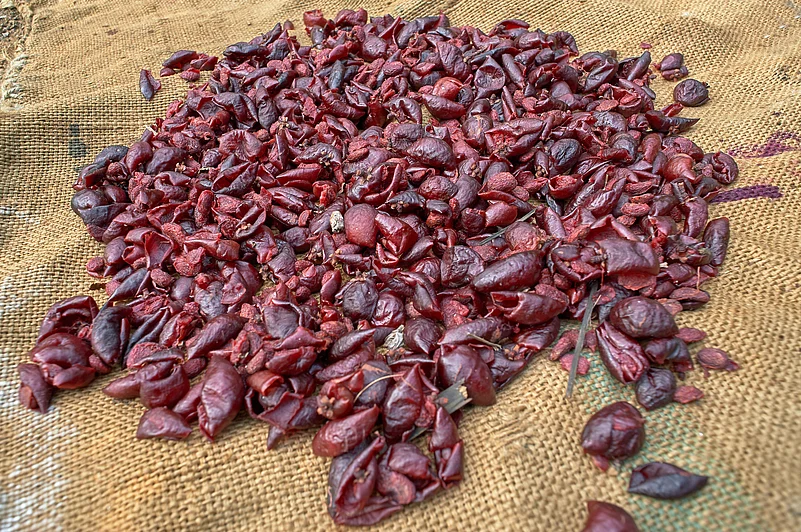
Head west toward the Konkan coast, where humid air and fertile soil nurture unique ingredients. Districts like Ratnagiri and Sindhudurg produce the famed GI-tagged kokum that lends tangy depth to curries and seafood. Farmers dry kokum rinds in the sun and sell them in local markets where the deep purple skins contrast with mounds of red chillies and golden turmeric.
Visit between October and February when the weather stays pleasant and ideal for exploring outdoor markets. Pair your spice journey with coastal food trails featuring Malvani fish curry, Kolhapuri tambda rassa and bhakri brushed with ghee. Reach Ratnagiri and Sindhudurg by train along the scenic Konkan Railway route or by road from Mumbai and Pune.
This spice trail through Maharashtra invites you to do more than shop. Walk through living markets, talk to traders who inherit generations of culinary wisdom, taste freshly ground masalas and carry home aromas that define the state’s diverse food culture. Each city, each village and each coastal town adds another layer to Maharashtra’s fragrant story.
FAQs
1. What is the Maharashtra spice trail?
The Maharashtra spice trail is a culinary journey across the state’s historic markets and coastal regions where traditional masalas, chillies, kokum and turmeric are grown, traded and used in regional cuisine.
2. Which spices from Maharashtra have GI tags?
Two well-known GI-tagged spices from the state are the Bhiwapur Chilli and Kokum from the Konkan region.
3. Where can travellers explore spice markets in Mumbai?
Travellers can visit Mirchi Galli and Mahatma Jyotiba Phule Mandai to see bustling spice bazaars filled with traders selling fresh masalas and dried ingredients.
4. What are the most famous Maharashtrian spice blends?
Popular blends include Kala masala, Malvani masala and Kolhapuri masala, each made with roasted spices, coconut and aromatic ingredients that create bold regional flavours.
5. When is the best time to explore Maharashtra’s spice markets?
October to February is considered the best time because the weather is cooler and markets are full of freshly harvested spices from across the state.