


Sponsored Content
In the southern folds of the Sahyadris, where the Western Ghats ripple into a lush crescendo of forest and mist, lies a sanctuary that feels gloriously off the grid. Radhanagari Wildlife Sanctuary, tucked away in Maharashtra’s Kolhapur district, is not the kind of place that clamours for attention. It does not have the celebrity of Tadoba or the easy recognisability of Pench. Instead, it offers something rarer: silence broken by birdsong, roads that dissolve into rainforest, and the unmistakable thrill of spotting a wild gaur emerging from a curtain of green.
Declared Maharashtra’s first wildlife sanctuary in 1958, Radhanagari spreads across 351.16 square kilometres of dense woodland, river valleys and highland plateaus. It is also known as the Dajipur Wildlife Sanctuary and has long been celebrated as the stronghold of the Indian bison, the gaur, whose formidable presence defines this landscape. Yet, beyond its headline species, Radhanagari is a biodiversity treasure chest, an Important Bird Area, and part of the ecologically significant Western Ghats, a UNESCO World Heritage region. For travellers seeking a wild Maharashtra that feels raw and restorative, this is where the forest still feels ancient.
Where The Gaur Dwells
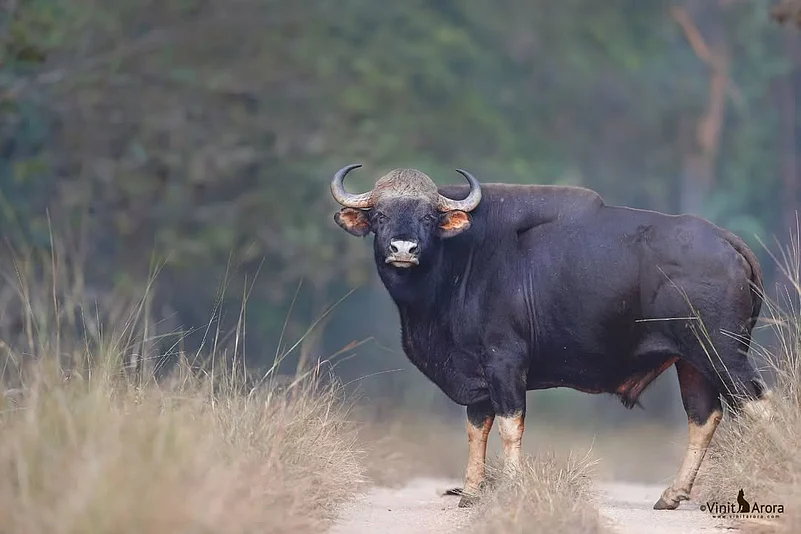

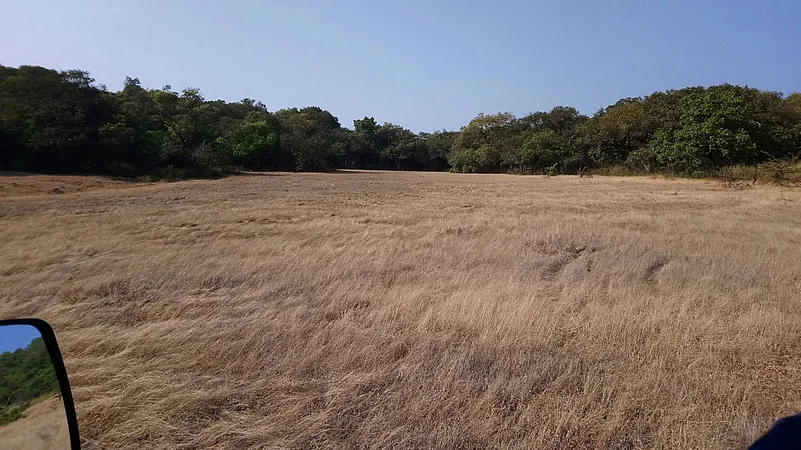
The gaur isn't just another animal here; it's an emblem. As the world’s biggest cattle, with strong muscles, big horns, and unique white legs, it moves calmly through Radhanagari’s woods. The area has a healthy population of gaurs. If you go on an outing in the early hours, you might see groups of them eating grass in open areas or near water.
But there's more to see than just the gaur. Leopards hide in the bushes, sloth bears look for bugs, and wild dogs run together very well. Recent camera footage shows that tigers live here as well, underscoring the importance of this area for wildlife in the Western Ghats. Sambar and barking deer walk quietly on the paths, and seeing the shy mouse deer is a treat if you're patient. Up in the trees, the Malabar giant squirrel jumps around, showing its red and cream colours.
Radhanagari has many birds as well. With over 260 types of birds, it's great for bird watchers. The Malabar whistling thrush sounds like a flute in the forest, hornbills fly quickly across the sky, and the Nilgiri wood pigeon is a special sight for those who love birds. Reptiles and frogs also do well in this wet place, from the colourful Malabar pit viper to special frogs that come out when it rains.
Rivers And Rain
The land around Radhanagari shapes its identity. Placed at the south end of the Sahyadri mountains, the area has hills, plateaus, and rivers that help the thick forests grow. The Bhogavati, Dudhganga, Tulshi, Kallamma and Dirba rivers flow here, filling lakes made by the Radhanagari and Kalammawadi dams. These lakes not only help water crops and support local jobs but also provide habitat for birds and wildlife.
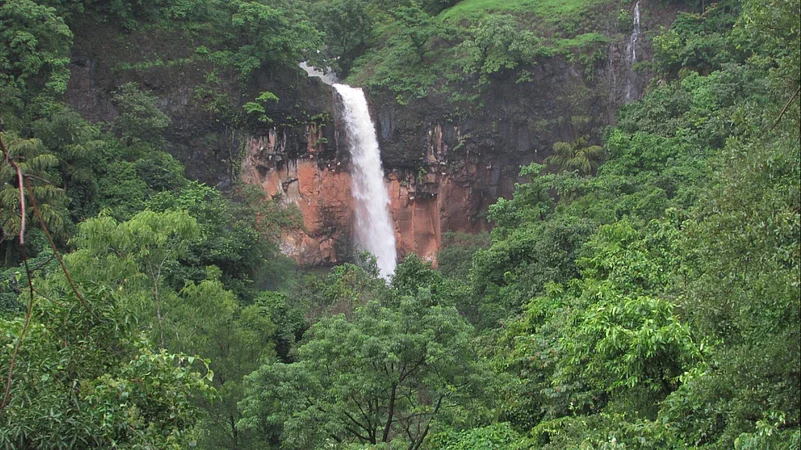
When it rains from mid-July to September, the place changes into a wet dream. The hills are covered in fog, streams turn into strong currents, and waterfalls fall greatly through the forest. The air smells like wet dirt and flowers. This is when Radhanagari looks its finest, with its green forests at their best.
Summers are warmer, but they offer something different. As water dries up, animals gather around lakes and pools, so you can see them more easily. Winters have cool mornings perfect for driving on the sanctuary’s roads, like the state road that goes through it. It's rare to have a road trip that's also like a safari.
The forests are great for studying plants. Tall teak, ain, kinjal and kumbha trees form a high cover, while jambul, hirda, and awala grow below. Medicinal plants like shikekai and garambi grow a lot, showing that these woods have always helped people with their old knowledge.
The Forest And Beyond
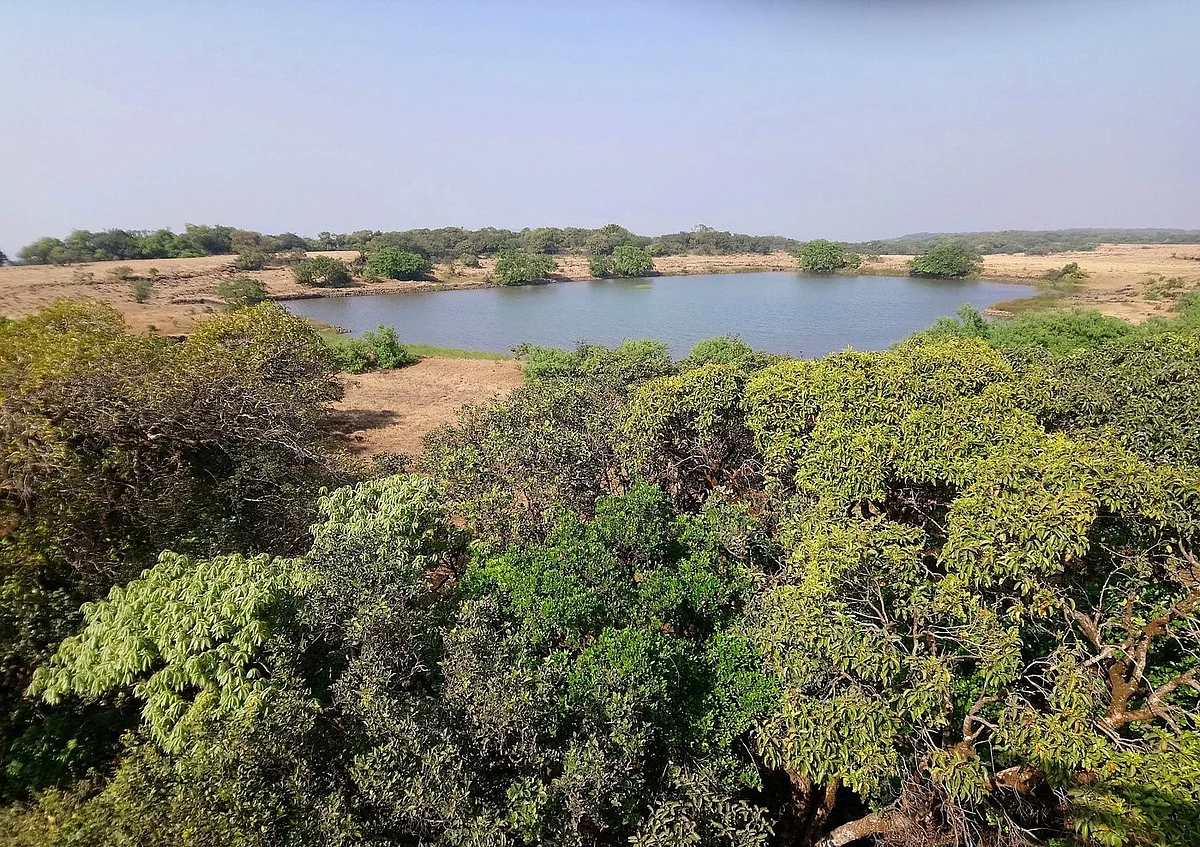
While seeing animals is the main reason to visit, Radhanagari offers other activities. Watchtowers and spots in the park give you wide views of lakes and forests. Laxmi Darshan Point looks over the calm Laxmi Lake, and sunset views from Konkan Darshan Point show the Western Ghats turning gold. At waterholes like Sambar Kund, you might see deer and other animals coming to drink.
Close by, there are more things to see. The Radhanagari Dam, built in the early 1900s on the Bhogavati River, is both useful and pretty. Hikers often go to Shivgad Fort, where trails lead to great views from the top of the hill. Waterfalls like Rautwadi and Ramanwadi, which are active when it rains, add something different to seeing wildlife.
You can stay in forest rest houses run by the Maharashtra Forest Department, or in eco-lodges and homestays near the sanctuary. If you want city comforts, Kolhapur is about 55 kilometres away and has many hotels. The closest airport is in Kolhapur, but Goa’s Dabolim Airport has better connections. You can take a train to Kolhapur from Mumbai and Pune, making the sanctuary easy to get to while still feeling remote.
It's important to travel responsibly here. Keep quiet during trips, don't use plastic, and stay far from animals. These are important rules in a delicate place.
Radhanagari may not be well known yet, but that's what makes it special. It's a place where forests feel real, where the sound of a hornbill travels far, and where seeing a gaur can still excite you. In a state known for beaches and cities, this sanctuary shows that Maharashtra’s wild side is strongest in its hidden spots.
The Information
How to Reach:
By Air: Kolhapur Airport (limited flights) is the nearest; Pune (Lohegaon) offers better connectivity.
By Rail: Kolhapur Railway Station (approx. 55–66 km away) is the closest major railhead.
By Road: State transport buses and private taxis operate from Kolhapur; self-drive is convenient and scenic.
Best Time to Visit:
November–February: Pleasant weather, ideal for safaris and trekking.
March–May: Best for wildlife sightings as animals gather near water sources.
Monsoon (July–September): Lush landscapes, but the sanctuary remains closed from June to October.
Day Trips:
Jeep safaris in the Radhanagari and Dajipur forest zones.
Birdwatching (over 260 species) and wildlife photography.
Visit viewpoints overlooking Radhanagari Dam backwaters.
Explore nearby rivers like Bhogavati and Dudhganga for scenic stops.


