

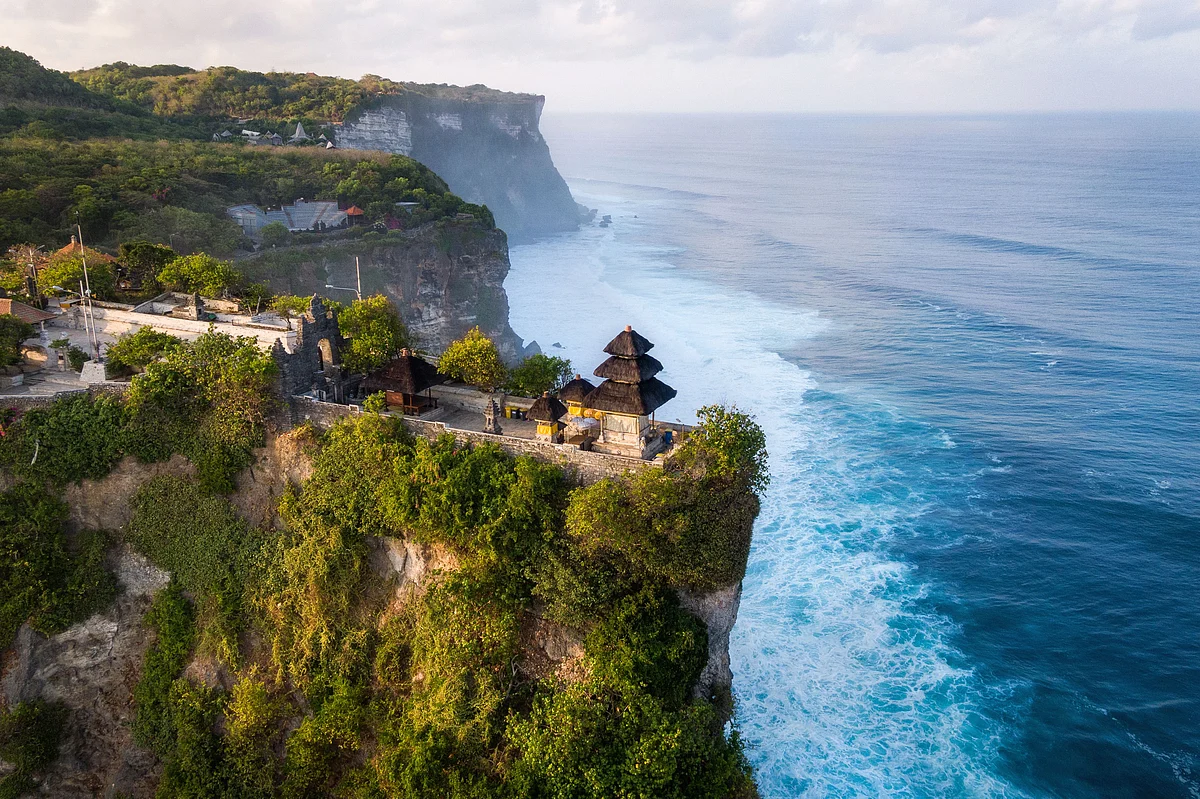
When I first heard about the Uluwatu Temple, I didn’t fully grasp how magical it would be to visit a temple perched dramatically at the top of a 70-metre-high cliff, overlooking the sun dancing and sparkling on the waves of the Indian Ocean as they crash thunderously against the rocks below.
As I walked through the entrance, I could feel the history. The Uluwatu Temple was established by Mpu Kuturan, a Javanese Hindu priest credited with unifying various spiritual practices across Bali. Its significance was further heightened in the 16th century when Dang Hyang Nirartha, a revered holy man, meditated there before achieving spiritual liberation, as reflected in the smiling faces that greet us at the entrance.
We were handed a sarong, which is a large piece of cloth wrapped around the waist and sash at the entrance, not as a tourist prop but as a sign of respect, inviting us to experience the heritage.
The Sacred Protectors
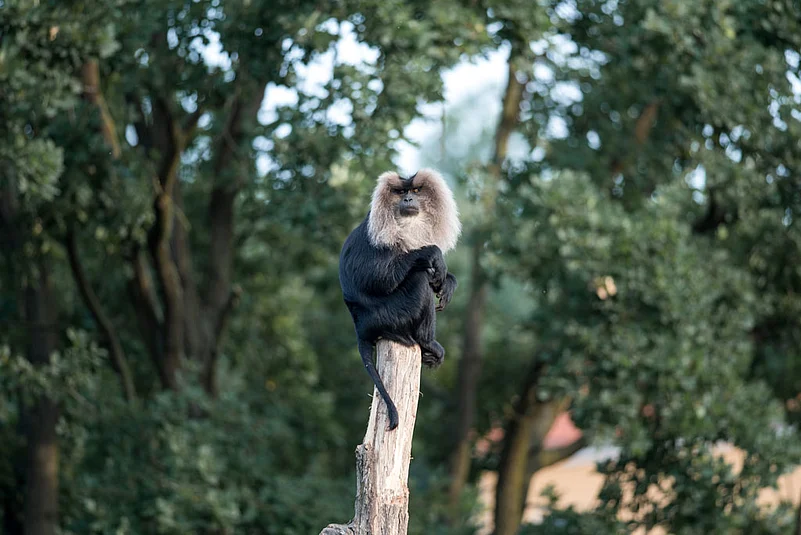
One of the first things we noticed was the monkeys. Long-tailed macaques, with their rather cheeky sense of humour, are spread throughout the temple and are known for stealing visitors' belongings — like glasses, phones, and hats — to barter for food, often bananas—a practice that has persisted for generations.
It was both hilarious and terrifying to watch one of the monkeys steal a tourist’s glasses and tease him, while his wife took out nuts and any snacks she had to barter for the belongings.
Even though they are considered sacred guardians of the temple, we were advised to secure all our belongings and avoid provoking them, as they’ve developed complex bartering skills that could turn drastic. Sometimes they demand more valuable items as ransom, making them a unique but challenging part of the temple experience.

The Kecak
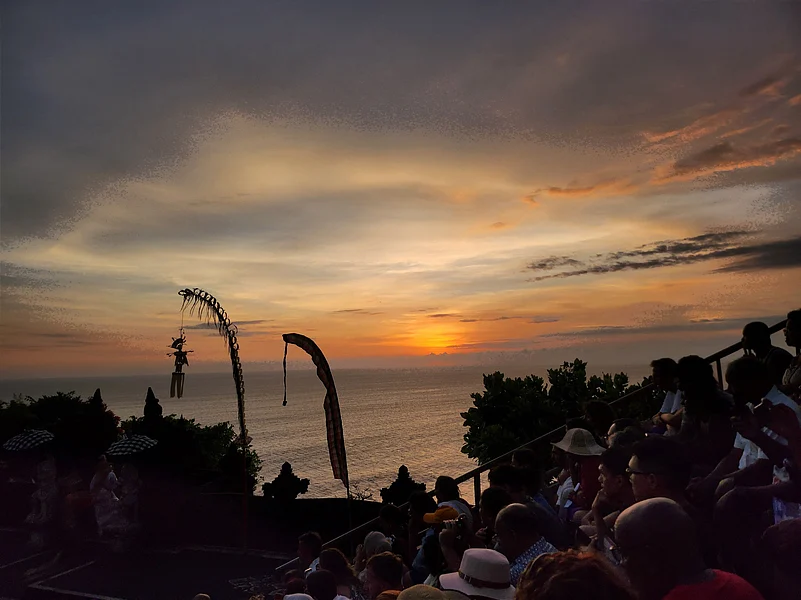
Another breathtaking experience we enjoyed was the Kecak Dance, Bali's iconic sunset performance at a cliffside amphitheatre, retelling the Ramayana epic through hypnotic chanting, without instruments or fire, featuring characters like Rama, Sita, and Hanuman against the backdrop of the Indian Ocean. Our phones didn't stop clicking and flickering, trying to capture every moment of the magical sunset.
The performances usually start at 6 PM, with limited and fast-selling seats, which is why we were advised to buy them early, along with a separate entry fee for the temple.
Up Close With Uluwatu
Last October, when my family and I visited, we began to appreciate the nature around us—something that had been at the back of our minds unconsciously throughout our lives, but until that moment, it had never been a physical feeling.
We reached the temple in the late afternoon, instantly greeted by the flora and breathtaking aura of the place—ancient stone walls, ornate statues, and the rhythmic crash of Indian Ocean waves far below. Walking along the cliff’s edge, the panoramic views took our breath away; at every turn, a perfect frame for photos and relaxation, as the sun glared on the shades of blue in the waves.
As the sky began to shift into hues of orange and pink and the waves started to calm, we found seats for what would be the highlight of our evening: the Kecak Fire Dance. Performed on the cliff-side amphitheatre above the Indian Ocean, this traditional Balinese performance was unlike anything we had ever witnessed.
A chorus of male dancers chanted “cak-cak-cak” in rhythmic unison, demonstrating remarkable respiratory strength, while performers in elaborate costumes enacted scenes from the ancient Ramayana epic. The tall fires, dramatic movements, and the setting sun created an electric atmosphere.
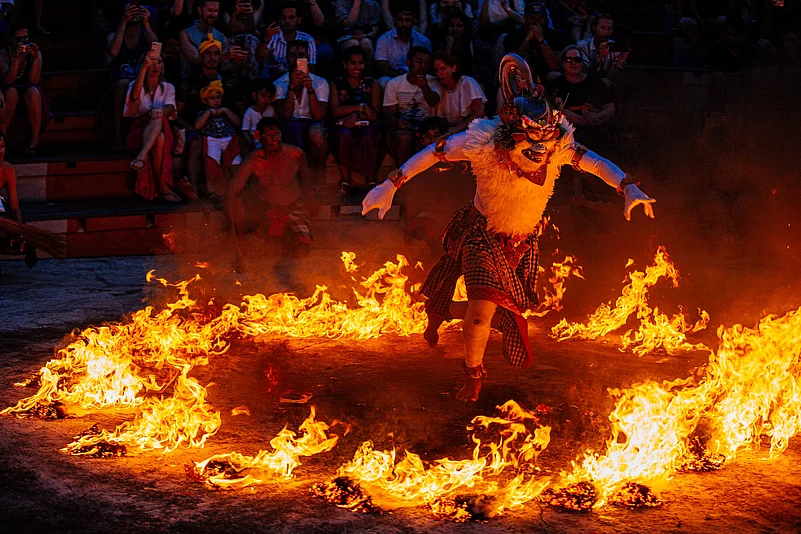
Watching the sun sink below the horizon as the chants echoed around us was surreal. As we returned from the dance, observing the mischief of the monkeys in the dark, with the sky slowly turning black, we realised that our day at Uluwatu wasn’t just another stop on a travel itinerary; it became a shared memory etched in golden light, laughter, and the realisation of precious time spent together.
The Information
How To Reach Uluwatu Temple: To reach Uluwatu Temple in Bali, the best options are hiring a private car/driver for convenience, using ride-hailing apps (Grab/Gojek) for flexibility, or renting a scooter for budget travellers.
The temple is 60–90 minutes from areas like Seminyak or Kuta, with parking available. The entry to the temple is IDR 50K for foreigners, with an additional fee for the Kecak dance per person.
Plan for a 30-minute trip from the airport, keeping in mind that Bali traffic can take a toll on people instantly!
Things To Do Nearby
1. ATV Rides: This felt like a real-life Temple Run, where each “level” of the game was completed using these ATVs! The rocky terrain, riverbeds, and more are available for IDR 500K per person for around 1-2 hours of adrenaline-fuelled excitement.
2. Visit Padang Padang Beach: A beach filled with water coloured in shades of blue and green, famous for surfing and swimming, which was also featured in “Eat, Pray, Love.” My sister was swept away by it!
3. Go to the Suluban Beach (Blue Point): Known for its cave entrance to the beach and surfing, it is a perfect spot for adventure seekers.

FAQs
1. Why is Uluwatu Temple famous?
Uluwatu Temple is famous for its dramatic cliffside location, Balinese Hindu heritage, sunset views, sacred monkeys and the iconic Kecak dance performance.
2. What is the best time to visit Uluwatu Temple?
Late afternoon is ideal, allowing visitors to explore the temple before watching the sunset and attending the evening Kecak dance performance.
3. Are the monkeys at Uluwatu Temple dangerous?
The monkeys are known for stealing belongings like sunglasses, hats and phones. Visitors are advised to secure valuables and avoid provoking them.
4. How much is the entry fee for Uluwatu Temple?
Foreign visitors typically pay around IDR 50,000 for temple entry, with a separate ticket required for the Kecak dance show.
5. What attractions are located near Uluwatu Temple?
Nearby attractions include Padang Padang Beach, Suluban Beach (Blue Point), surfing spots and ATV adventure experiences.