There is something unusual about sending a wedding invitation to a temple. At Ranthambore’s Trinetra Ganesh Temple, however, it is an old tradition that continues to this day. Before inviting family and friends, many devotees send the first card of a wedding to Lord Ganesha, asking for his blessings on the new beginning. This tradition takes on added significance around Ganesh Chaturthi, which falls on September 14 in 2026, when devotees gather at the shrine in large numbers.
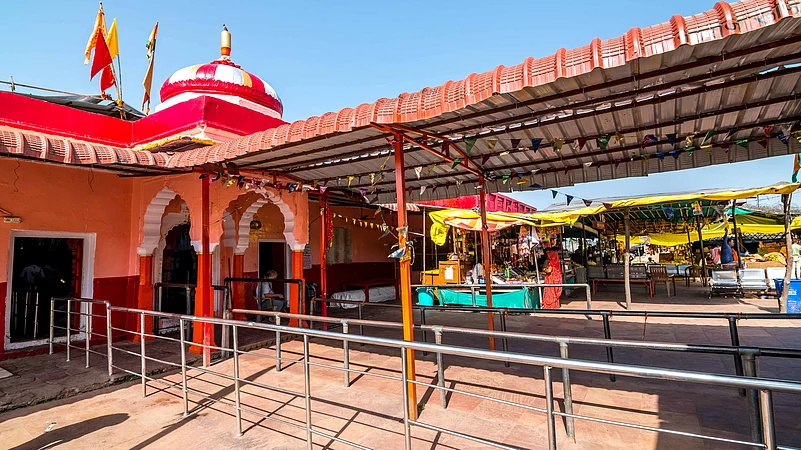
Set inside the historic Ranthambore Fort, the temple is unlike most shrines. The idol has three eyes, the fort sits within the landscape of Ranthambore Tiger Reserve, and the temple receives letters from people who may never set foot here. It is a place where faith, history, and everyday life come together rather naturally.
Why Is It Called Trinetra Ganesh?

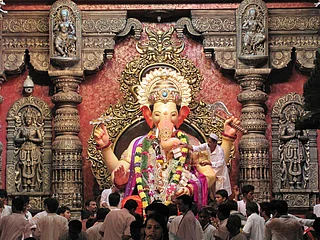
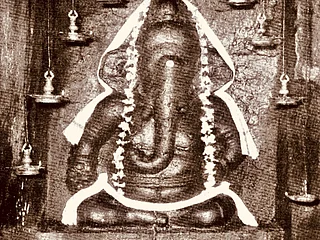
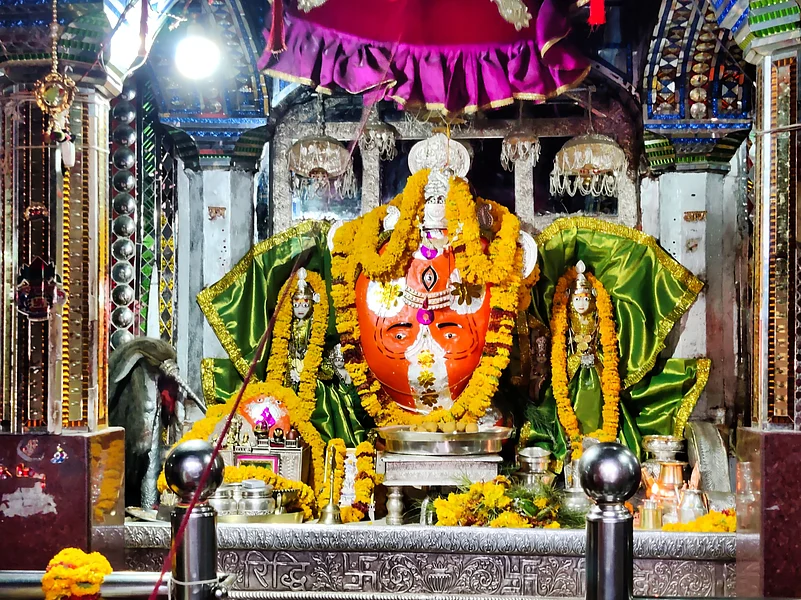
The name comes from the unusual form of the idol. Unlike the familiar depiction of Ganesha with two eyes, the deity here has a third eye on his forehead. Trinetra means three-eyed, and devotees associate the third eye with wisdom, awareness and the ability to see beyond the ordinary.
The idol is also worshipped with Ganesha’s family. Riddhi and Siddhi, Shubh and Labh and the mouse, or Mushak, are part of the shrine. This makes the temple especially important for devotees seeking blessings for family, prosperity and auspicious beginnings.
The deity is also widely revered as Pratham Ganesha, or the first Ganesha to be worshipped before an important undertaking. That belief explains much of the temple’s enduring popularity.
The Story Of King Hammir
The temple’s history is closely linked to Hammir Dev Chauhan, the ruler of Ranthambore. According to local tradition, during the conflict between Hammir and Alauddin Khilji in the late 13th and early 14th centuries, supplies inside the fort began to run short.
Hammir, a devotee of Ganesha, is said to have dreamt of the deity one night. Ganesha assured him that his troubles would soon end. The following morning, a three-eyed image of Ganesha was believed to have appeared on one of the fort walls. The shortages were also said to have been resolved.
Hammir is traditionally believed to have built the shrine around 1300 CE and installed the deity along with his family. While the story belongs to the temple’s religious tradition rather than firmly established historical record, it remains central to the identity of Trinetra Ganesh.
Ranthambore Fort itself dates to the medieval period and is one of Rajasthan’s most important historic monuments. The Rajasthan Tourism Department notes that the fort is associated with the Chauhan rulers and the famous conflict between Rao Hamir and Alauddin Khilji.
The Temple That Receives Wedding Invitations
Perhaps the most charming tradition here is the post.
Lord Ganesha is traditionally worshipped before a wedding or any important new beginning, as he is regarded as the remover of obstacles. At Ranthambore, devotees have taken this custom a step further. Families send the first wedding invitation to the temple before sending cards to their guests.
Thousands of letters and invitations are believed to arrive every year, including cards sent from outside India. Alongside wedding invitations are letters about new businesses, new homes, family milestones and other hopes. Temple priests place the mail before the deity as part of the devotional practice.
The tradition is so closely associated with the shrine that the local postman has become part of its story. Rajasthan’s official tourism website also highlights the daily delivery of mail addressed to Lord Ganesha.
It is a simple ritual, but there is something touching about it. A wedding card is, after all, an announcement of a new chapter. Here, that announcement is made first to a god.
Ganesh Chaturthi At Ranthambore
The temple is particularly lively during Ganesh Chaturthi and the annual Bhadrapada Sudi Chaturthi fair. Rajasthan Tourism lists the fair among the important attractions associated with Ranthambore Fort.
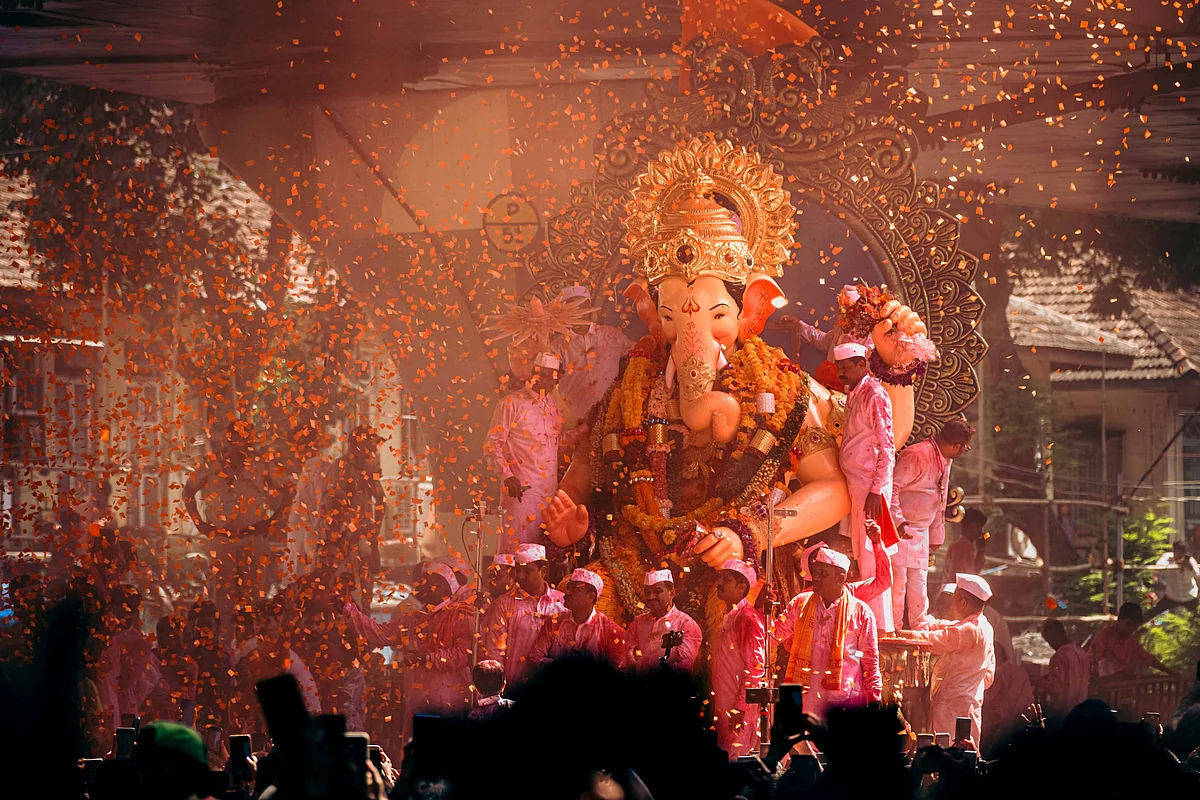
In 2026, Ganesh Chaturthi falls on September 14. The festival brings large numbers of devotees to the shrine, with prayers, bhajans, and special rituals adding to the atmosphere.
Wednesdays are also considered especially auspicious for Ganesha and can be busier than an ordinary weekday.
Visiting Trinetra Ganesh Temple
The temple is about 12 km from Sawai Madhopur and sits within Ranthambore Fort. The journey is part of the experience. After reaching the fort, visitors walk along its historic pathways and climb towards the shrine, so comfortable footwear is a good idea.
The fort opens from 6 AM, although temple worship timings can differ and may change with the season or during festivals.
The temple itself does not require an elaborate pilgrimage plan. What matters more is giving yourself enough time to make the climb, have darshan and take in the setting. Dress respectfully, carry water, and avoid treating the temple simply as another sightseeing stop.
A Temple Inside Tiger Country
What makes the visit even more unusual is its setting. Ranthambore Fort stands within the larger protected forest landscape of Ranthambore, where wildlife and pilgrimage share the same space.
The Rajasthan Forest Department has specifically recognised the importance of regulating movement around the Ganesh temple and recommends that pilgrims travel in authorised local vehicles rather than bringing private vehicles into the protected area.
That is worth keeping in mind when planning a visit. This is not just a temple inside an old fort. It is a living shrine surrounded by a functioning wildlife landscape.
And perhaps that is what stays with you. At Trinetra Ganesh, an ancient fort, a three-eyed deity, wedding cards arriving by post and the forests of Ranthambore all become part of the same experience. You may arrive for the history or the unusual tradition, but it is the sense of faith woven into everyday life that makes the temple memorable.
FAQs
1. Why do devotees send wedding invitations to Trinetra Ganesh Temple?
Devotees send their first wedding invitation to Lord Ganesha to seek his blessings for an auspicious beginning and the removal of obstacles.
2. Why is Trinetra Ganesh called three-eyed Ganesha?
The temple's name comes from the idol's third eye on its forehead. Trinetra means three-eyed.
3. Where is Trinetra Ganesh Temple located?
The temple is located inside the historic Ranthambore Fort in Rajasthan, near Sawai Madhopur.
4. When is Ganesh Chaturthi in 2026?
Ganesh Chaturthi will fall on September 14, 2026.
5. What makes Trinetra Ganesh Temple different from other Ganesha temples?
The shrine is particularly known for its three-eyed Ganesha idol, its setting inside Ranthambore Fort and the tradition of devotees sending wedding invitations and other letters to the deity.