

On a stretch of highway where speeding cars once cut through forest corridors, something unusual is taking shape. Near Ranthambore National Park, India has built its most ambitious wildlife crossing system yet, one designed not for vehicles, but for animals that have walked these routes for centuries.
The project sits along the Delhi–Mumbai Expressway, one of India’s biggest infrastructure developments. But instead of forcing wildlife to adapt, planners have tried to redesign the road itself.
A roughly 11.5 to 12-kilometre stretch near Ranthambore now includes a series of wildlife overpasses and underpasses, making it the longest such system in the country.
At the heart of the project lies a 3.5-kilometre wildlife overpass network, made up of five segments of roughly 500 metres each, supported by dedicated underpasses designed solely for animal movement.
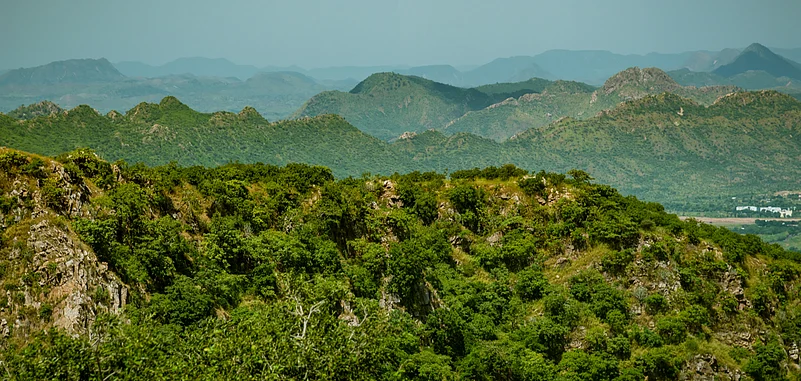
The overpass links crucial wildlife habitats like Ramgarh Vishdhari Wildlife Sanctuary, Mukundra Hills Tiger Reserve, and sections of Kuno National Park, forming a continuous ecological corridor.
These are not small crossings. Some overpasses stretch hundreds of metres, built wide and covered with soil and vegetation so they resemble natural forest floors. Animals can walk across without sensing the highway beneath them. In addition, a long underpass allows movement below the road, creating multiple safe routes instead of a single choke point.
The estimated cost is around INR 900 crore for this stretch alone, and it has been executed by infrastructure giant Larsen & Toubro.
The goal is simple. Let animals move as they always have, without coming into contact with fast-moving traffic.
Why Ranthambore Needed The Overpass
Ranthambore is not an isolated forest. It forms part of a larger network of wildlife corridors that connect tiger habitats across Rajasthan and beyond.
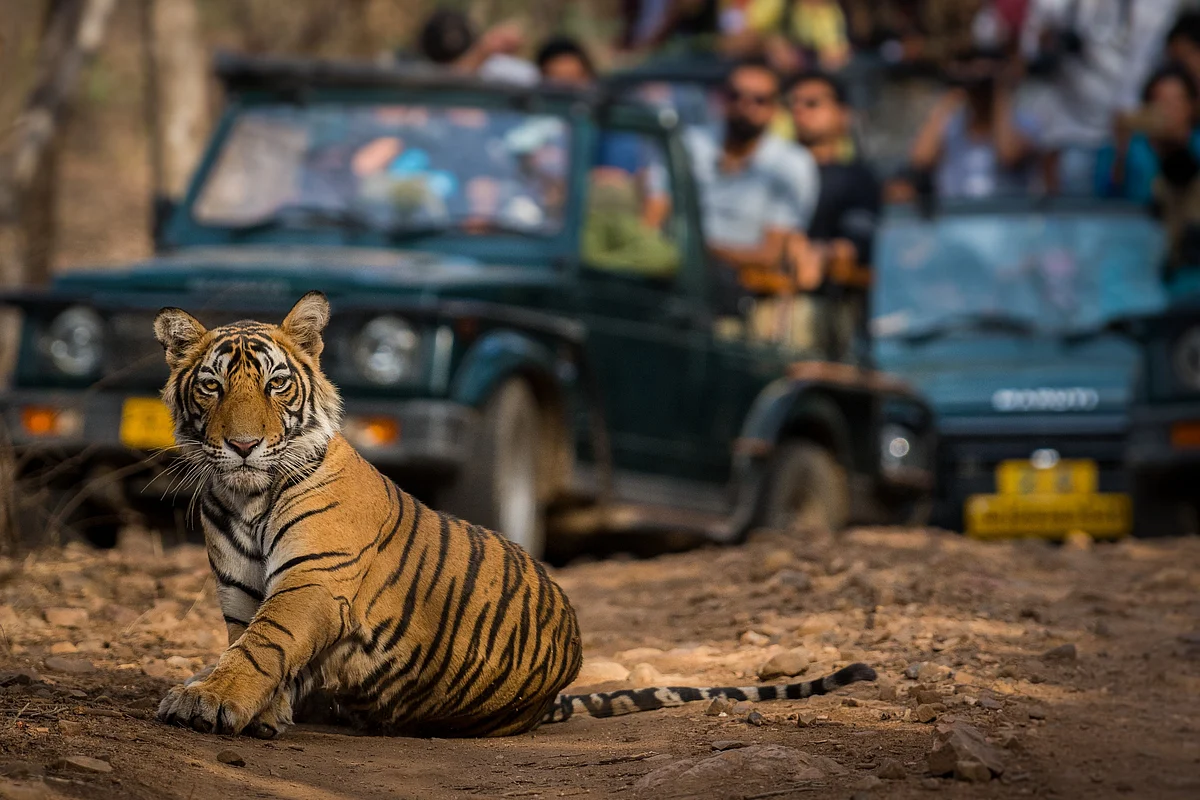
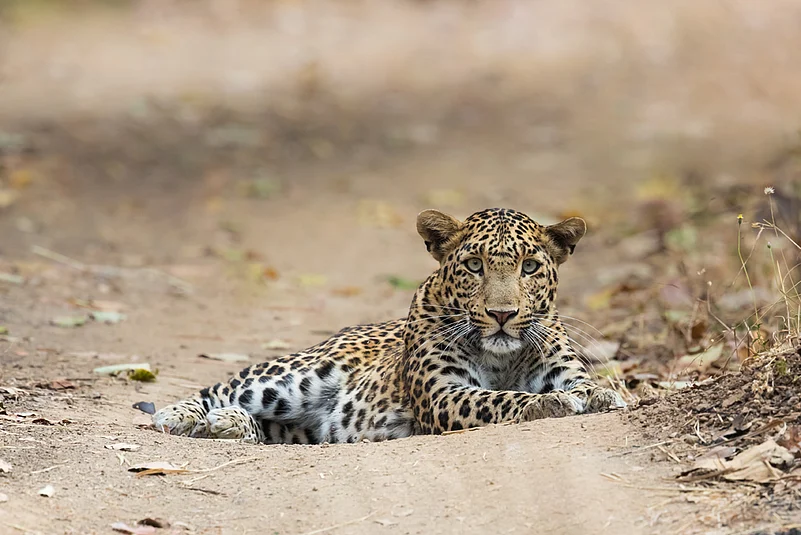
Tigers, leopards, hyenas, deer, and smaller creatures move across these forests all the time. They follow old routes in search of territory, food and mates. These journeys keep populations healthy and connected over generations.
Highways have made that movement harder. In many parts of India, roads cut straight through forests with no safe way across. Animals often end up on the tarmac, and many do not make it. Over time, these barriers break habitats into smaller, isolated pockets.
This stretch near Ranthambore National Park is especially sensitive. The park covers more than 1,300 square kilometres and is home to a wide range of wildlife, from Bengal tigers to sloth bears to hundreds of bird species.
Without safe crossings, animals here stood to lose access to nearby forests like Kailadevi and the broader Aravalli landscape, both vital for movement and breeding.

Features Of The Overpass
What makes this project stand out is not just its size, but its intent. India has built roads through forests before. This time, it tried to build one with the forest in mind.
Engineers added high boundary walls along parts of the expressway to prevent animals from straying onto the road, guiding them instead toward designated crossings. Sound barriers have been installed to reduce noise disturbance, while the crossings themselves blend into the terrain.
Inside covered stretches, about 1,500 LED lights have been installed for motorists. The system keeps drivers safe without flooding the crossings with light, so animals can move through without being disturbed.
Early signs are encouraging. Wildlife has already begun using similar crossings in India, and conservationists expect the ones near Ranthambore National Park to soon become part of regular movement routes. The project is slated for full completion by September 2026.
It also points to a larger shift. As India continues to build at scale, the challenge is to grow without cutting off its natural ecosystems. This project suggests that development and conservation can be planned together, rather than at odds.
(With inputs from various sources)
FAQs
1. What is the Ranthambore wildlife overpass?
It is India’s largest animal crossing system built along the Delhi–Mumbai Expressway to help wildlife safely cross highways.
2. Where is the wildlife overpass located?
The project is near Ranthambore National Park in Rajasthan, connecting nearby wildlife corridors.
3. Why is the overpass important for wildlife?
It allows animals like tigers, leopards, and deer to move safely between habitats without risking road accidents.
4. How long is the Ranthambore wildlife crossing system?
The system spans around 11.5 to 12 kilometres, including overpasses and underpasses.
5. When will the Ranthambore overpass be completed?
The project is expected to be fully completed by September 2026.