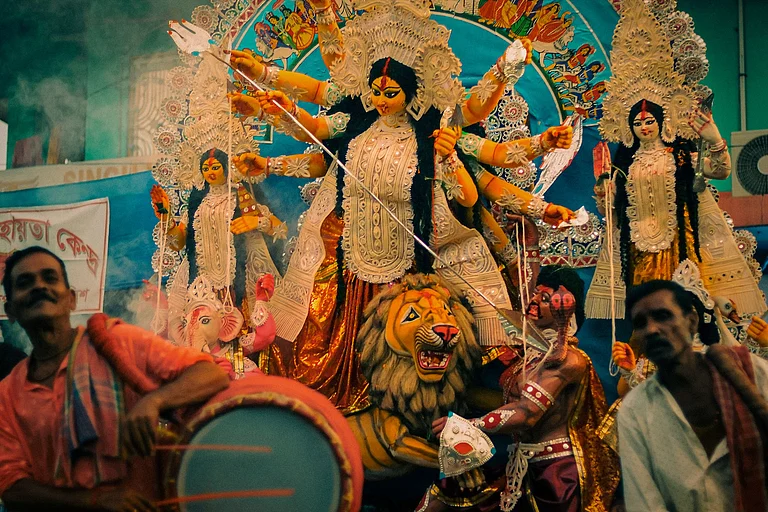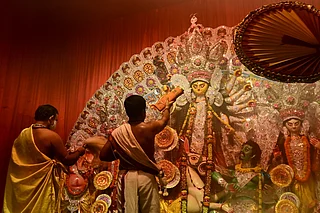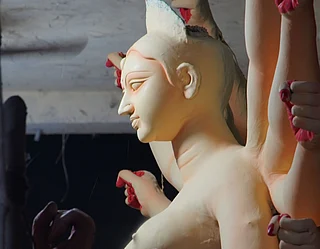


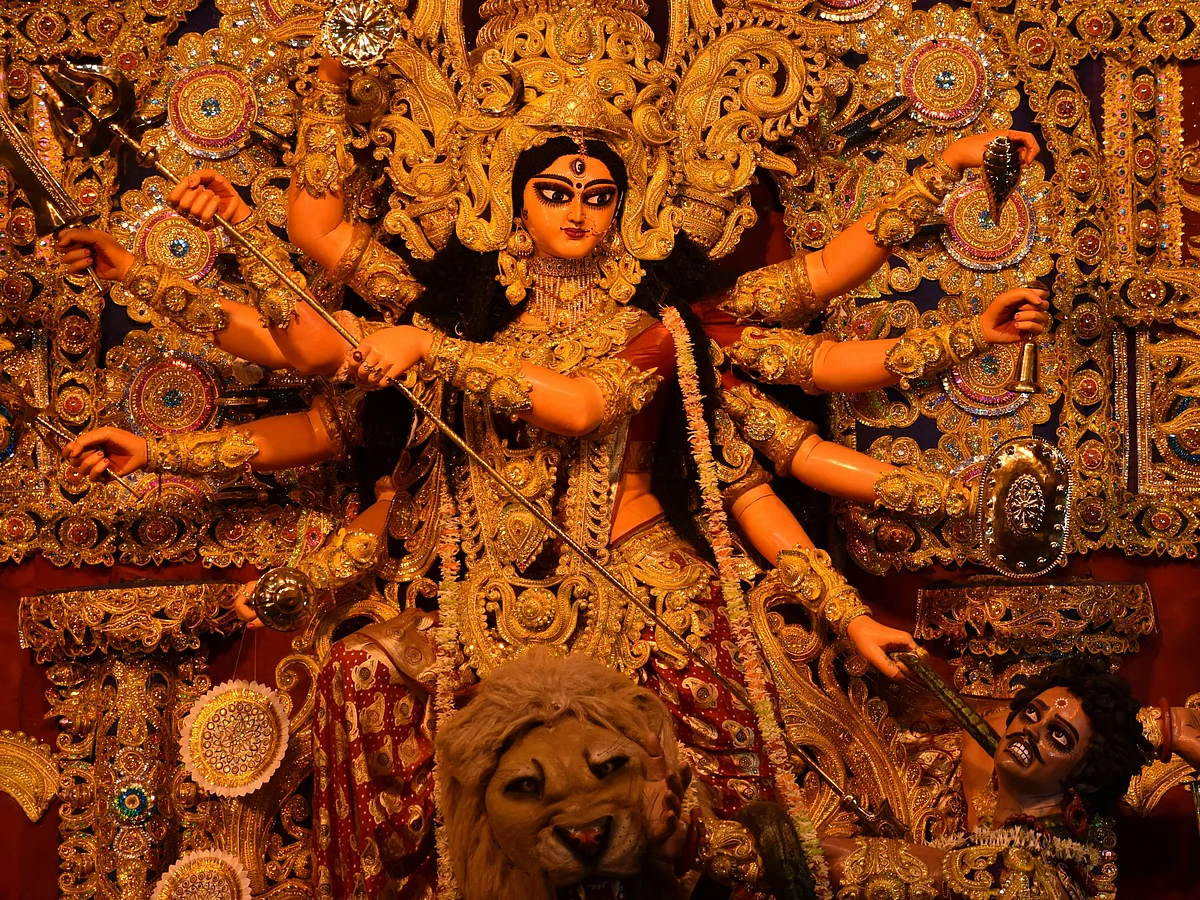
Delhi’s Durga Puja celebrations have a way of making the capital feel a little closer to Kolkata. Come autumn, neighbourhood grounds and community spaces fill with elaborately dressed idols of Goddess Durga, colourful pandals, the rhythmic beats of dhak, and the aroma of freshly prepared bhog. For Bengali families who have made Delhi their home, the festival is an opportunity to reconnect with familiar traditions, while visitors get a chance to experience the cultural significance of Pujo beyond West Bengal.
Pandal hopping is one of the best ways to experience the festivities, whether you are drawn to traditional idol-making, elaborate themes, cultural performances, or a generous serving of khichuri and labra. From the long-standing celebrations at Kashmere Gate to the much-loved pujas of Chittaranjan Park, these eight pandals offer different ways to experience Durga Puja in and around Delhi. Plan your visits around the festival dates, leave time for the crowds, and arrive hungry.
Kashmere Gate Durga Puja Samiti


For a glimpse of Delhi’s early Durga Puja traditions, start at Kashmere Gate. Established in 1910, the Delhi Durga Puja Samiti is among the capital’s oldest Puja organisers. The celebration retains a traditional character, making it a good starting point for understanding how Bengali communities brought their customs to the city more than a century ago. The idol, traditionally adorned in Daaker Saaj, features an intricate style of decoration associated with Bengali craftsmanship. Cultural programmes add to the festivities, while Dashami brings the customary farewell to the Goddess. Visit to experience a Puja rooted in community participation and longstanding rituals, rather than elaborate theme-based installations.
How to reach: You can take the Metro to Kashmere Gate station and continue towards Bengali Senior Secondary School on Alipur Road, where the Puja is held. Allow extra time for traffic and crowds during the festival.
Chittaranjan Park Kalibari

Chittaranjan Park, popularly known as CR Park, is one of Delhi’s most recognisable Bengali neighbourhoods, and Durga Puja is when its cultural identity comes into full view. The area hosts several celebrations, but the Kalibari is an excellent place to begin. Expect devotional rituals, the sound of dhak, cultural performances, and the familiar bustle of a community gathering. Depending on the year, organisers may incorporate a particular theme into the festivities while retaining the traditional elements of the worship. The surrounding neighbourhood also makes this a rewarding stop for food lovers, with Bengali snacks and festive delicacies adding to the experience. Allow enough time to explore beyond the main pandal.
How to reach: You can take the Metro to Nehru Enclave station and travel onwards to Chittaranjan Park by auto-rickshaw or cab. The neighbourhood hosts several Puja pandals, so check the exact venue before setting out.
Matri Mandir Samiti, Safdarjung Enclave
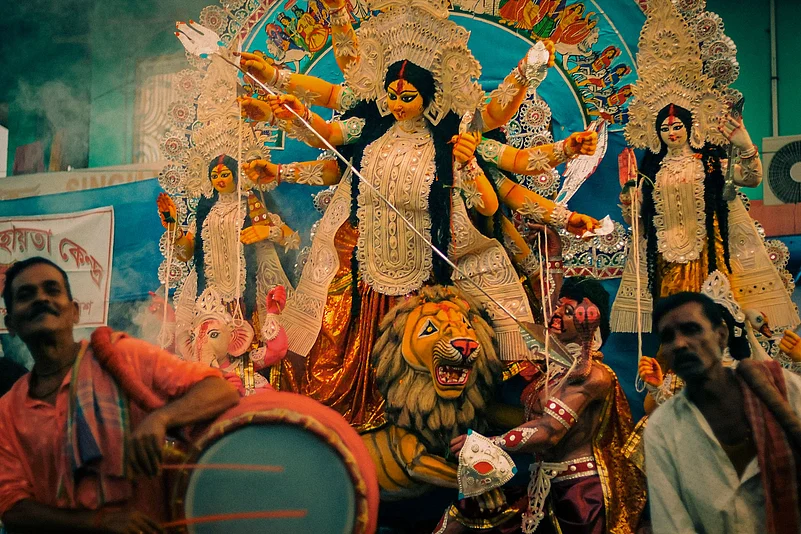
Located in the B-2 Block of Safdarjung Enclave, Matri Mandir Samiti offers a neighbourhood-led celebration with a strong emphasis on traditional worship. The committee has organised Durga Puja for decades, attracting residents and visitors who return for its familiar rituals and community atmosphere. Its approach favours established customs, with the idol and ceremonial proceedings forming the centre of the celebration. The surrounding residential setting gives the Puja a distinctly local character, making it a good option for travellers who want to experience how the festival brings communities together outside Kolkata. If you are planning a wider pandal-hopping itinerary, this is a convenient stop to combine with other celebrations across south Delhi.
How to reach: You can take the Metro to AIIMS station and continue by auto-rickshaw or cab to B-2 Block, Safdarjung Enclave, where Matri Mandir Samiti organises its annual Durga Puja.
Minto Road Puja Samiti
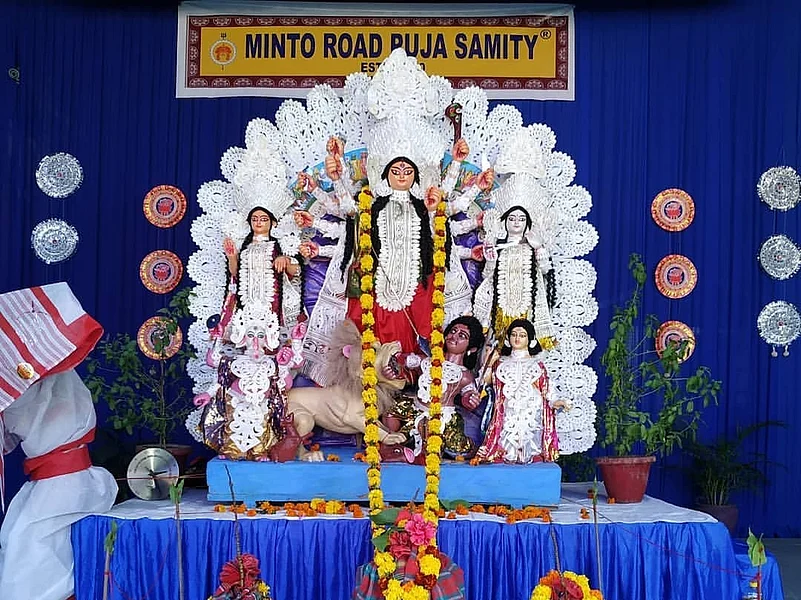
Dating back to 1940, Minto Road Puja Samiti is another longstanding fixture on Delhi’s Durga Puja calendar. Its traditional approach makes it worth visiting for those who appreciate the rituals and cultural practices that have shaped the festival over generations. The pandal and idol are central to the celebration, while cultural programmes bring the community together during the evenings. Visitors can also participate in the devotional proceedings, including pushpanjali, subject to the day's schedule. Bhog is an important part of the experience, offering a chance to enjoy the communal meal that is closely associated with Bengali Pujo. Arrive with time to spare, particularly if you plan to attend a popular evening programme.
How to reach: You can take the Metro to Rajiv Chowk and travel onwards to the Minto Road area by auto-rickshaw or cab. Check the committee's current venue details before travelling, particularly during the busy Puja days.
Timarpur And Civil Lines Puja Samiti
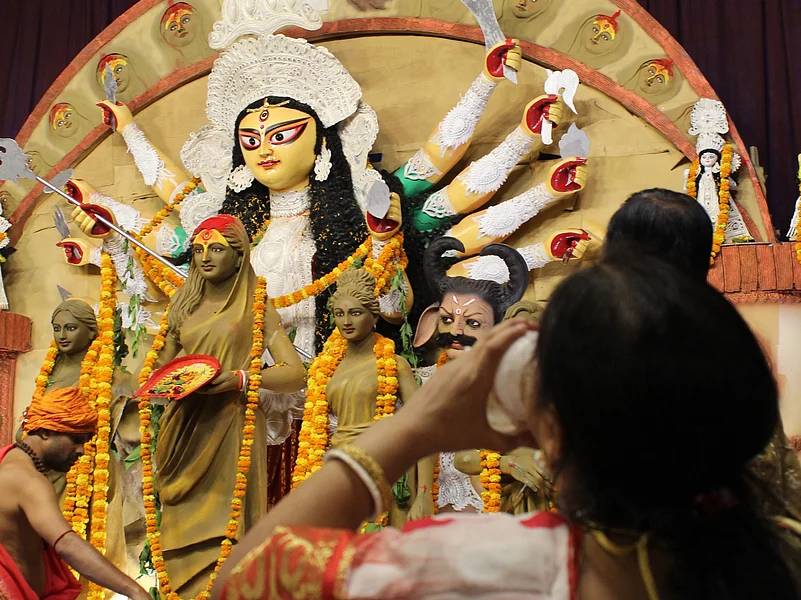
The Timarpur and Civil Lines Puja Samiti traces its history to 1914, placing it among the capital’s early community celebrations. Its enduring appeal lies in the effort to preserve traditional forms of worship, even as Delhi’s festival scene has expanded over the years. The idol is a major draw, with artistic detailing that reflects the importance of craftsmanship in Bengali Puja traditions. Community participation remains central to the proceedings, bringing together residents and visitors throughout the festival. Dashami is particularly meaningful, marking the farewell to Goddess Durga before the immersion ceremony. If you are keen to see how ritual, heritage, and neighbourhood identity intersect, this Puja deserves a place on your itinerary.
How to reach: You can take the Metro to Vishwavidyalaya station and continue towards the Timarpur or Civil Lines area by auto-rickshaw or cab. Confirm the exact Puja venue and route with the organisers before your visit.
Arambagh Durga Puja Samiti

If elaborate pandal design is what draws you to Durga Puja, Arambagh Durga Puja Samiti is worth considering. The celebration has been associated with ambitious installations and large-scale themes, reflecting the influence of Kolkata’s celebrated pandal-making culture on the capital. In 2013, the organisers reportedly spent around INR 2 crore on the Puja, an indication of the scale of their ambitions at the time. The themes and installations can vary from year to year, so the current edition is best checked before you visit. For travellers who enjoy exploring the artistic side of festivals, Arambagh offers a different perspective from the traditional community pujas elsewhere in Delhi.
How to reach: You can take the Metro to R K Ashram Marg station and travel onwards by auto-rickshaw or cab. Since the exact location of the annual pandal may vary, check the latest venue details before planning your journey.
Milani Puja Committee, Mayur Vihar Phase I

Mayur Vihar Phase I is home to several Bengali community celebrations, and the Milani Puja Committee is among the options to consider when exploring the neighbourhood. Known for organising theme-based pujas, the committee combines creative pandal design with the devotional traditions that remain central to Durga Puja. The celebration is held on a ground near Supreme Enclave apartments, making it a recognisable local gathering point during the festival. As with other theme-led pujas, the installation and its artistic details can change each year, giving returning visitors a reason to come back. It is a useful stop for those who want to explore celebrations beyond the better-known venues in CR Park.
How to reach: You can take the Metro to Mayur Vihar Phase I station and continue by auto-rickshaw or cab towards the ground near Supreme Enclave apartments. Check the committee's latest venue information to find the correct entrance.
Kalibari, Mayur Vihar Phase I
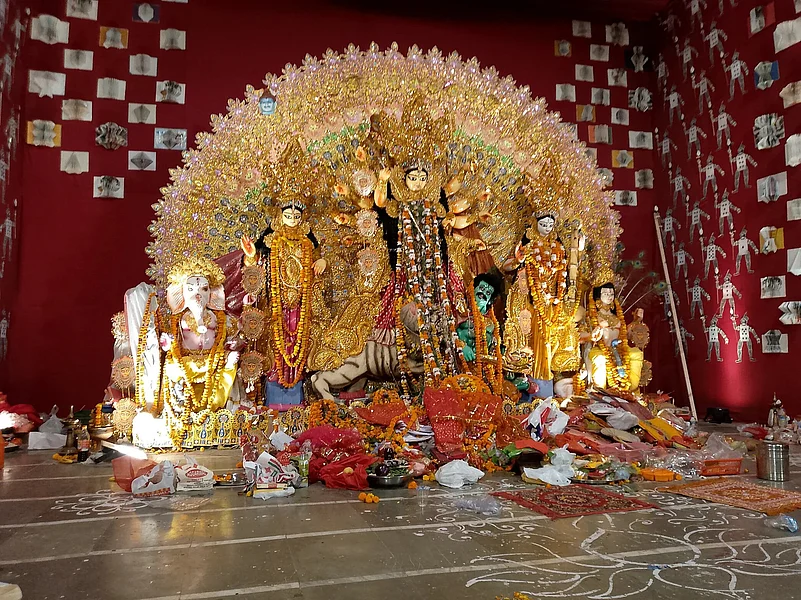
Another worthwhile stop in east Delhi is Kalibari in Mayur Vihar Phase I, where the festival brings together worship, food, and cultural programming. The Puja is known for its bhog, which draws visitors keen to sample the communal meal associated with Bengali celebrations. Theme-based decorations have also featured in its festivities, alongside performances and other events organised for the local community. The combination makes it a good choice for visitors who want to experience more than the main worship ceremonies. Since several Puja committees operate in the broader Mayur Vihar area, confirm the exact venue and programme before setting out. Visiting earlier in the day may also help you avoid some of the evening crowds.
How to reach: You can take the Metro to Mayur Vihar Phase I station and travel onwards by auto-rickshaw or cab to the Kalibari venue. As multiple Puja committees organise celebrations in the neighbourhood, confirm the precise location before setting out.
Tips For Pandal Hopping In Delhi
Check the dates first: Durga Puja dates change each year according to the Hindu calendar. Confirm the current year's programme with the individual committees.
Plan by neighbourhood: Group CR Park visits together, and explore Mayur Vihar's pandals on a separate outing to reduce travel time.
Use the Metro where possible: Several venues are accessible from Metro stations, but an additional walk or short auto-rickshaw ride may be required.
Make time for bhog: Serving times vary by committee and day, so check schedules before arriving specifically for the meal.
Be mindful of crowds: Evenings and Ashtami can be particularly busy. Follow the organisers' instructions and allow extra time for local traffic.
FAQs
1. When is Durga Puja in 2026?
Durga Puja in 2026 falls in October. Check the Hindu calendar and individual Puja committee schedules for the dates of the main celebrations.
2. Which are the best Durga Puja pandals to visit in Delhi?
Popular options include Kashmere Gate Durga Puja Samiti, Chittaranjan Park Kalibari, Matri Mandir Samiti, Minto Road Puja Samiti, and Arambagh Durga Puja Samiti.
3. Which area in Delhi is best for Durga Puja pandal hopping?
Chittaranjan Park, also known as CR Park, is a popular choice, with several Puja pandals and opportunities to sample Bengali food.
4. What can visitors experience at Delhi’s Durga Puja pandals?
Visitors can experience traditional worship, decorated idols, themed pandals, cultural performances, dhunuchi naach, and Bengali bhog.
5. How can I reach Durga Puja pandals in Delhi by Metro?
Several pandals are accessible from Metro stations, including Nehru Enclave for CR Park, Green Park or AIIMS for Matri Mandir, and Mayur Vihar Phase I for nearby community pujas. Check the exact venue before travelling.