

In Poila Boishakh, the Bengali New Year, time is marked not just by calendars but by culture, community, and continuity. Celebrated with music, dance, and generous feasts, the festival ushers in a sense of renewal—where new clothes are worn, homes are visited, and blessings are exchanged. Rooted in agrarian rhythms yet alive in contemporary life, Poila Boishakh remains a vibrant expression of identity, marking new beginnings with both ritual and joy.
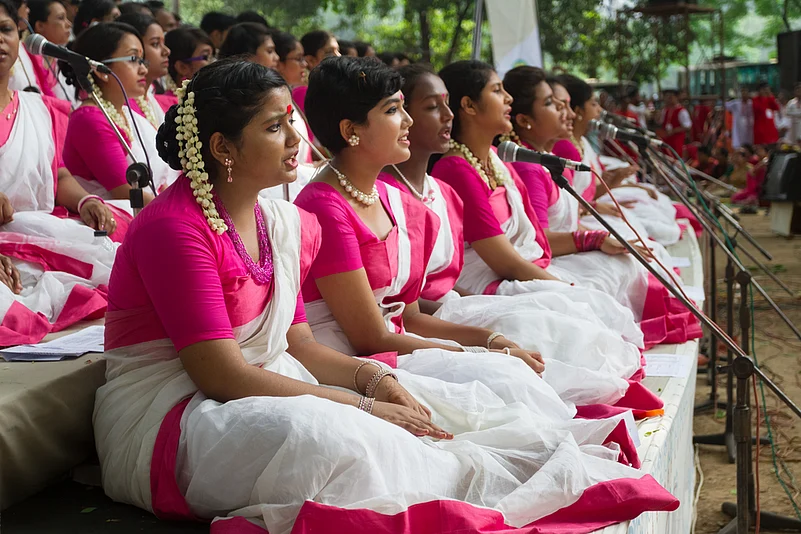
The festival marks the beginning of the Bengali calendar, with Boishakh being the first month of the year. The word "Poila" or "Pohela" means "first" in Bengali, and "Boishakh" denotes the onset of the spring season. The festival falls on either the 14th or the 15th of April, based on the traditional Bengali calendar. During this time, people exchange greetings and wish each other a "Shubho Noboborsho," which translates to "Happy New Year" in English. The celebration includes traditional music, dance, and feasting, along with colourful processions. It is a time for new beginnings, and people adorn themselves in new clothes and visit their relatives and friends to seek blessings for the coming year.
Traditions That Define the Bengali New Year
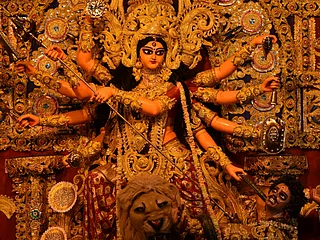
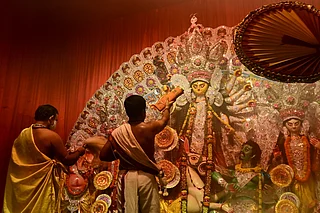
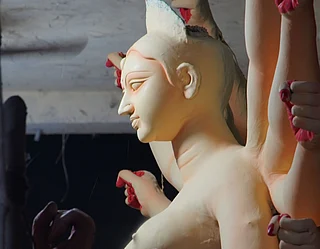
On the day, early morning cultural processions are taken out including dance and music troupes. The first day of the Bengali calendar marks the start of the harvest season, a time of celebration and prosperity. Several neighborhood committees in Kolkata ring in the Noboborsho and also set the stage for the year's Durga Pujo celebrations with a 'khuti' pujo to commence setting up the marquee where the Durga deity will be housed about six months from now.
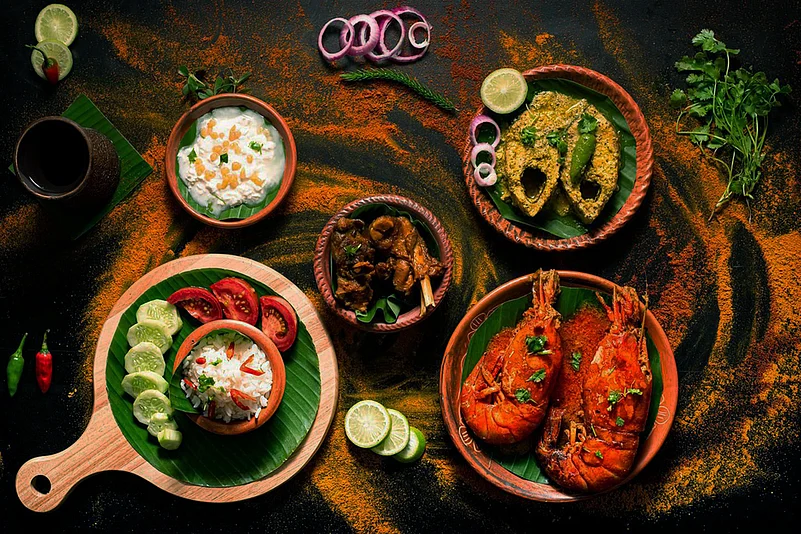

As with any Indian festival, delectable food is a central part of the celebrations. Everything from delicious ilish paturi and shukto to fresh seasonal chutneys are made in homes. People queue up outside restaurants to sample specially curated Poila Boishakh menus.
On the first day of the Bengali New Year, customers visit shops to mark business transactions with the 'Halkhata' ceremony.
What Is Poila Boishakh and Why Is It Celebrated
Poila Boishakh was initially observed as a harvest festival. With time, the celebration gained importance and became popular during the Bengali Renaissance of the late 19th and early 20th centuries. Cultural luminaries like Rabindranath Tagore and Kazi Nazrul Islam integrated this festival into their works, which further popularised the festival.
A UNESCO Heritage In Bangladesh
Every year during Poila Boishakh in Bangladesh, the festive Mangal Shobhajatra is organised by the Faculty of Fine Arts, University of Dhaka. On 30 November 2016, the Inter-governmental Committee on Safeguarding Intangible Cultural Heritage of UNESCO at its 11th session selected the Mangal Shobhajatra festival as an intangible cultural heritage.

Mangal Shobhajatra is a festival open to the public, organised by students and teachers of Dhaka University's Faculty of Fine Art in Bangladesh and takes place on April 14. It began in 1989 when students, frustrated with living under military rule, organised to bring people together and hope for a better future. Members of the university faculty work together for a month before the festival to create masks (said to drive away evil forces and allow for progress) and floats. Among the works made for the festival, at least one represents evil, another courage and strength, and a third peace.
A State Day
In December 2023, the West Bengal government made an official notification declaring Poila Boishakh as the State Day and 'Banglar Mati Banglar Jal' written by Nobel laureate Rabindranath Tagore as the State Song. The order states that everyone should stand in attention position when the State Song is played and mass singing of it should be encouraged. However, it's a bit ironic to note that Tagore himself was against these aspects of nationalism.
FAQs: Poila Boishakh (Bengali New Year)
1. What is Poila Boishakh?
Poila Boishakh is the first day of the Bengali calendar and marks the Bengali New Year, celebrated with cultural festivities, food, and social gatherings.
2. When is Poila Boishakh celebrated?
Poila Boishakh is usually celebrated on April 14 or April 15, depending on the solar calendar followed in Bengal.
3. Why is Poila Boishakh important?
It symbolises new beginnings, prosperity, and renewal, rooted in agrarian traditions when accounts were reset for a new harvest cycle.
4. How do people celebrate Poila Boishakh?
Celebrations include:
Wearing new traditional clothes
Visiting family and friends
Enjoying festive meals
Participating in music, dance, and cultural events
5. What are some traditional foods eaten during Poila Boishakh?
Typical dishes include:
Rice and fish preparations
Sweets like rosogolla and mishti doi
Festive Bengali thalis featuring seasonal ingredients