


For decades, music tourism meant one thing: scale. Massive crowds, towering stages and lineups designed to compress a year’s worth of listening into a single weekend. Festivals became the pilgrimage format of modern music culture—part concert, part city, part temporary religion.
But something is shifting. The next wave of music tourism isn’t louder. It’s quieter.
The trend of music tourism built around silence—often referred to as “acoustic tourism” or “soft sound tourism”—marks a quiet break from the logic of the modern festival. Instead of flying in for noise, crowds, and constant stimulation, people are beginning to travel for the opposite: sound stripped back to its essentials, and environments where listening is the main event rather than everything happening at once.
Core Concepts of the Trend
Acoustic sanctuaries: Travellers are seeking out places with little to no human-made noise; spaces where the sound floor drops below 20 decibels, closer to rustling leaves than traffic hum. The appeal is not just scenery, but the ability to properly hear it.
Hushpitality: A growing set of wellness resorts and boutique hotels is quietly redesigning itself around silence. Instead of louder amenities, you’re getting “sonoriums” and carefully tuned rooms that do the opposite—cutting back sound rather than adding to it. The idea of luxury shifts here: less interruption, fewer inputs, and space where nothing is really asking for your attention.
Soft sound immersion: Instead of stadium-scale concerts, the focus shifts to small, close-range listening experiences—baithak-style gatherings, qawwali performed by riversides, or crystal-bowl sound baths in natural settings—where volume is low and attention is uninterrupted.
Why the Trend is Surging
Neurological relief: A lot of psychoacoustics work suggests that living in constant city noise can wear on you over time, pushing stress levels up and making it harder to fully switch off. That’s part of why quieter settings are starting to feel less like a treat and more like a practical way to recover properly.
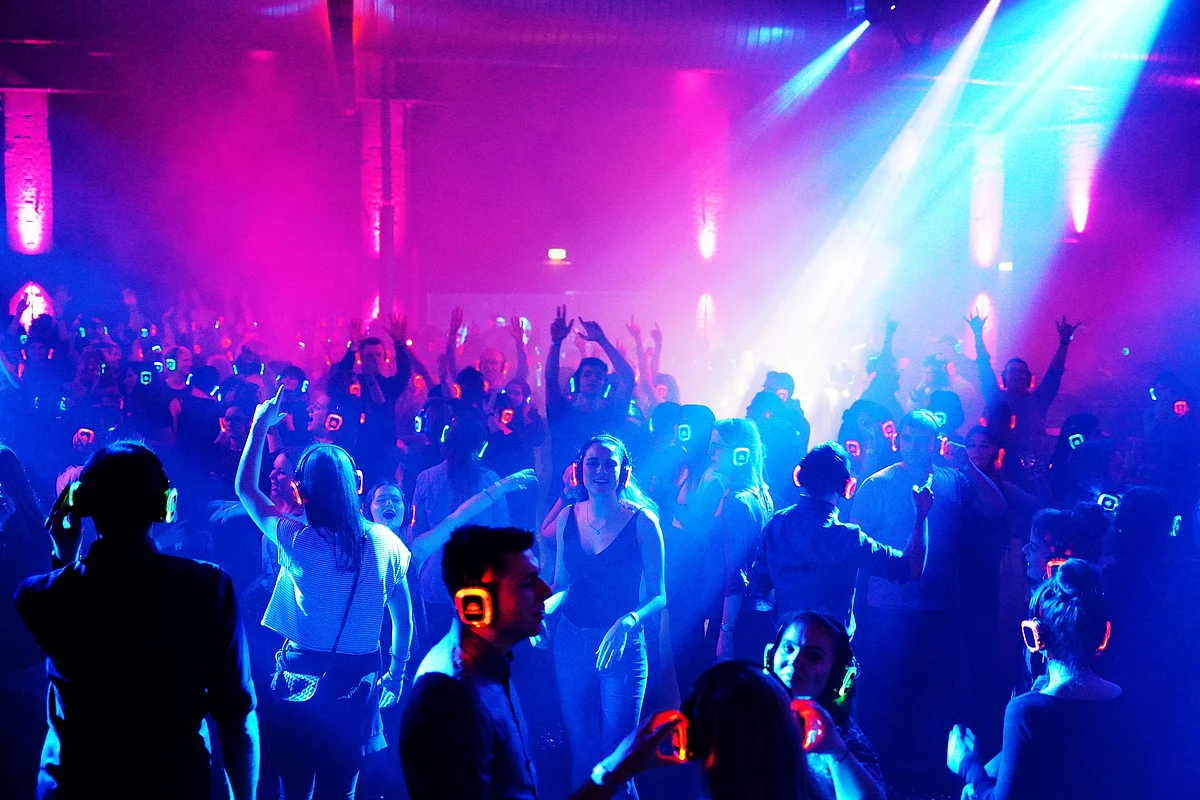
Fatigue of “gig-tripping”: Big festival travel has become expensive and exhausting—flights, queues, crowds, and constant movement between sets. In response, more people are shifting towards slower trips that leave room to actually experience a place, rather than rushing through it between stages and schedules. Now, many major festivals—including Coachella, Bonnaroo, and Governors Ball—have added silent disco stages, while companies like Quiet Events are bringing the format to wider, mainstream audiences.
Silent Music Festivals and Acoustic Experiences

MindTravel headphone concerts (global / United States): You join a roaming piano performance in open public spaces like Central Park or Santa Monica beach. Everyone wears wireless headphones, so the music exists only in your ears while the environment stays completely quiet, blending live improvisation with the surrounding landscape.
Alma Festival (Ibiza, Spain): At the secluded Six Senses Ibiza, you experience a version of Ibiza that moves away from club culture. The focus is on ambient sound, breathwork, and sound healing sessions, often set against calm Mediterranean surroundings rather than high-volume stages.
Eco-silent discos & walking parades (global): Silent discos have expanded into outdoor and travel formats where groups move through cities or cultural sites wearing headsets. Operators like Silent Disco Global turn the experience into guided sound journeys, letting you choose your own audio while moving through shared public space without adding noise.
Sound sanctuaries at transformational festivals (Portugal & US): Larger festivals are carving out dedicated quiet zones. At Boom Festival (Portugal), areas like Sacred Fire and Being Fields lean into drones, gongs, and acoustic textures, while at Lightning in a Bottle (USA), spaces like The Compass are designed for slower movement, rest, and lower-intensity listening.
The Environmental Trade-Offs Of Silent Music Tourism
Silent music festivals and acoustic tourism reduce some of the most obvious pressures of live events, but they aren’t impact-free. The footprint shifts rather than disappears, which makes how they’re run and attended just as important as the concept itself.
The upside: less acoustic strain
Reduced noise pollution: Without large speaker stacks, there’s far less disruption to wildlife behaviour such as feeding, nesting, and sleep cycles. This can be particularly relevant in rural or coastal locations.
Smaller sound infrastructure: Headphone-based systems remove the need for large, power-heavy PA setups, which can reduce overall energy use tied directly to audio output.
The downside: hidden costs
E-waste from hardware: Large-scale use of wireless headphones and LED devices introduces a lifecycle problem—charging, battery degradation, and eventual disposal all contribute to electronic waste if not managed properly.
Transport emissions: Many “quiet” experiences take place in remote or ecologically sensitive areas. Getting large groups of people there often means higher travel emissions, especially when public transport options are limited.
Local environmental pressure: Even without loud music, gatherings still generate waste—food packaging, camping gear, and single-use plastics—which can be especially damaging in fragile natural or “acoustic sanctuary” environments.
FAQs
What is a silent music festival?
It’s an event where music is played through wireless headphones instead of loudspeakers, so the surroundings stay quiet.
Do people actually dance if it’s silent?
Yes. Everyone hears the music in their own headphones, so it can look quiet outside but still feel like a normal dance or listening event.
Can you choose what you listen to?
Often yes. Many events offer multiple channels, letting you switch between DJs, ambient sets, or curated audio streams.
Where are silent music festivals usually held?
They can take place almost anywhere—city parks, beaches, historic sites, or nature spaces—since they don’t rely on external sound.
Why are they becoming popular?
They allow shared music experiences without noise pollution, and give people more control over volume and personal listening experience.