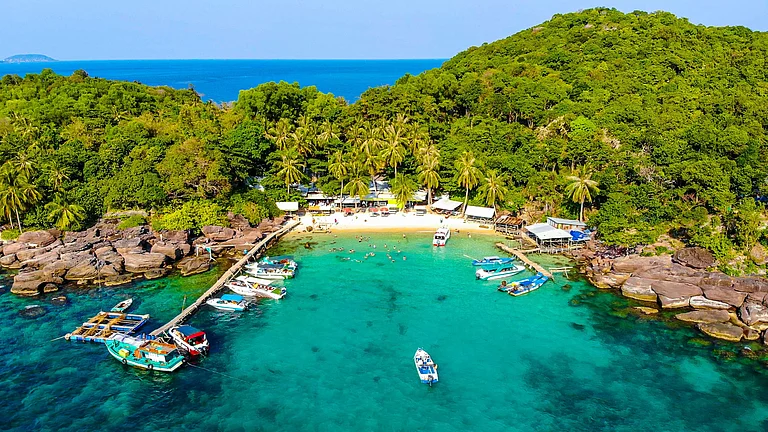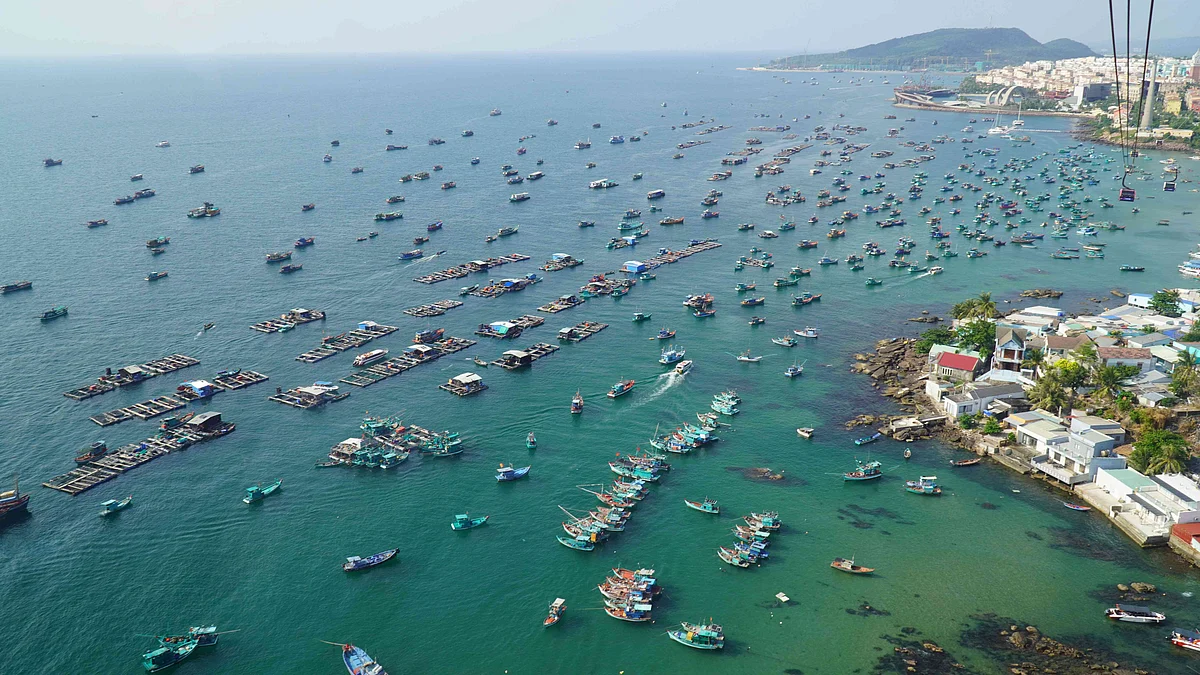
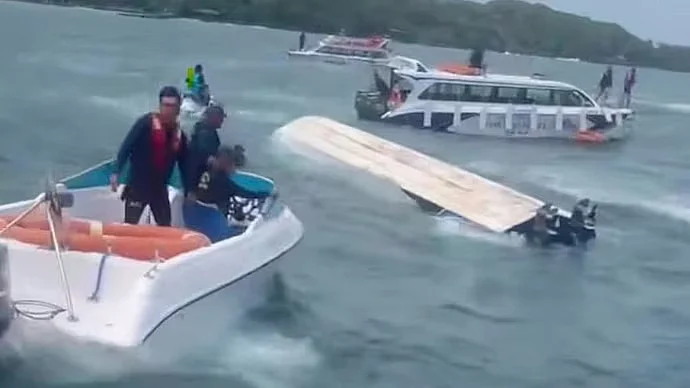
The capsizing of a tourist speedboat near Vietnam's Phu Quoc Island, which claimed the lives of 15 Indian tourists and left several others injured, has cast a spotlight on an aspect of travel that many holidaymakers rarely think about until something goes wrong: boat safety.
According to authorities, the vessel, carrying 32 Indian tourists and four crew members, overturned in rough waters during an island excursion. Most of the passengers were employees of the Indian smartphone brand Lava, travelling on a corporate incentive trip. Rescue teams saved 21 people, and local authorities and the Indian Embassy coordinated emergency response efforts.
Although investigations into the accident are underway, the tragedy serves as a reminder that scenic boat rides, island-hopping tours and speedboat excursions are not without risk. Across Southeast Asia—from Vietnam and Thailand to Indonesia and the Philippines—these trips are among the most popular holiday experiences. They are generally safe when operated responsibly, but weather conditions, overcrowding, inadequate safety protocols and poor maintenance have contributed to accidents over the years.
For travellers, a few simple checks before boarding can make a significant difference.
Safety Tips Before Boarding A Tourist Boat

Don't Ignore The Weather
Many marine accidents are linked to deteriorating weather conditions. Coastal weather can change rapidly, particularly during the monsoon season or periods of strong winds. Even if the skies appear clear when a tour begins, conditions at sea may worsen within minutes.
Travellers should check the weather forecast independently rather than relying solely on tour operators. If authorities have issued warnings for rough seas or high winds, postponing the excursion is often the safest decision. While missing a tour may be disappointing, no sightseeing experience is worth risking personal safety.
Wear The Life Jacket Properly
One of the most common mistakes tourists make is removing their life jackets after the boat leaves the harbour, or keeping them nearby rather than wearing them.
Safety experts recommend wearing a properly fitted life jacket throughout the journey, particularly on speedboats and smaller vessels. Before departure, passengers should also identify where additional flotation devices and emergency exits are located.
Choose Licensed Operators
Holiday destinations often have numerous companies offering similar boat excursions, sometimes at vastly different prices. While lower fares may be tempting, travellers should ensure the operator is licensed and authorised by local maritime authorities.
Reputable operators are generally transparent about safety procedures, maintain their vessels regularly and avoid sailing when conditions are unsafe. Online reviews can provide useful insights, but travellers should also check whether the company conducts a safety briefing before departure.
Pay Attention To Safety Briefings
Many travellers use the pre-departure briefing as an opportunity to chat, take photographs or prepare for the excursion. However, these few minutes often contain crucial information about emergency procedures.
Passengers should know where life jackets are stored, how to use them correctly, what to do if the vessel encounters rough weather and how to respond in the unlikely event of an evacuation.
Be Alert To Overcrowding
If a boat appears significantly more crowded than expected or passengers are seated in unsafe positions, travellers should question the operator before departure.
Every vessel has a certified passenger capacity designed to ensure stability. Exceeding that limit can increase risks, particularly in rough seas. Similarly, luggage should be stored securely rather than obstructing exits or walkways.
Don't Hesitate To Speak Up
Travellers sometimes hesitate to question operators, especially when surrounded by other passengers who seem unconcerned. However, if something feels unsafe, whether it's severe weather, visible damage to the boat or the absence of life jackets, it is perfectly reasonable to refuse boarding or ask for clarification.
Responsible operators are unlikely to object to questions about passenger safety.
Insurance Matters Too
Before booking water-based activities, travellers should check whether their travel insurance covers recreational boat excursions, emergency medical treatment and evacuation. Some policies exclude adventure or marine activities unless they are specifically included, making it important to read the fine print before travelling.
Safety Is A Shared Responsibility
Tour operators and local authorities are primarily responsible for maintaining vessels, monitoring weather conditions, and following maritime regulations. But travellers also play an important role by making informed decisions, following crew instructions and refusing to compromise on basic safety.
The Phu Quoc tragedy is a devastating reminder that holidays can change in an instant. While boat tours remain one of the best ways to experience coastal destinations around the world, every journey should begin with the same priority: ensuring the vessel, the conditions and the operator are as safe as the destination is beautiful.
FAQs
Q1. What happened in the Phu Quoc boat tragedy?
A tourist speedboat carrying Indian tourists capsized near Vietnam's Phu Quoc Island during an island excursion, resulting in multiple fatalities and injuries.
Q2. How can travellers stay safe on tourist boats?
Choose licensed operators, wear a properly fitted life jacket throughout the journey, check weather forecasts and pay close attention to safety briefings.
Q3. Should you wear a life jacket during the entire boat ride?
Yes. Safety experts recommend wearing a life jacket for the entire journey, especially on speedboats and smaller vessels.
Q4. Does travel insurance cover boat excursions?
It depends on the policy. Travellers should check whether recreational boat trips, emergency medical treatment and evacuation are included before travelling.
Q5. What should travellers do if a boat seems overcrowded or unsafe?
If a vessel appears overcrowded, poorly maintained or lacks basic safety equipment, travellers should raise their concerns or refuse to board.