


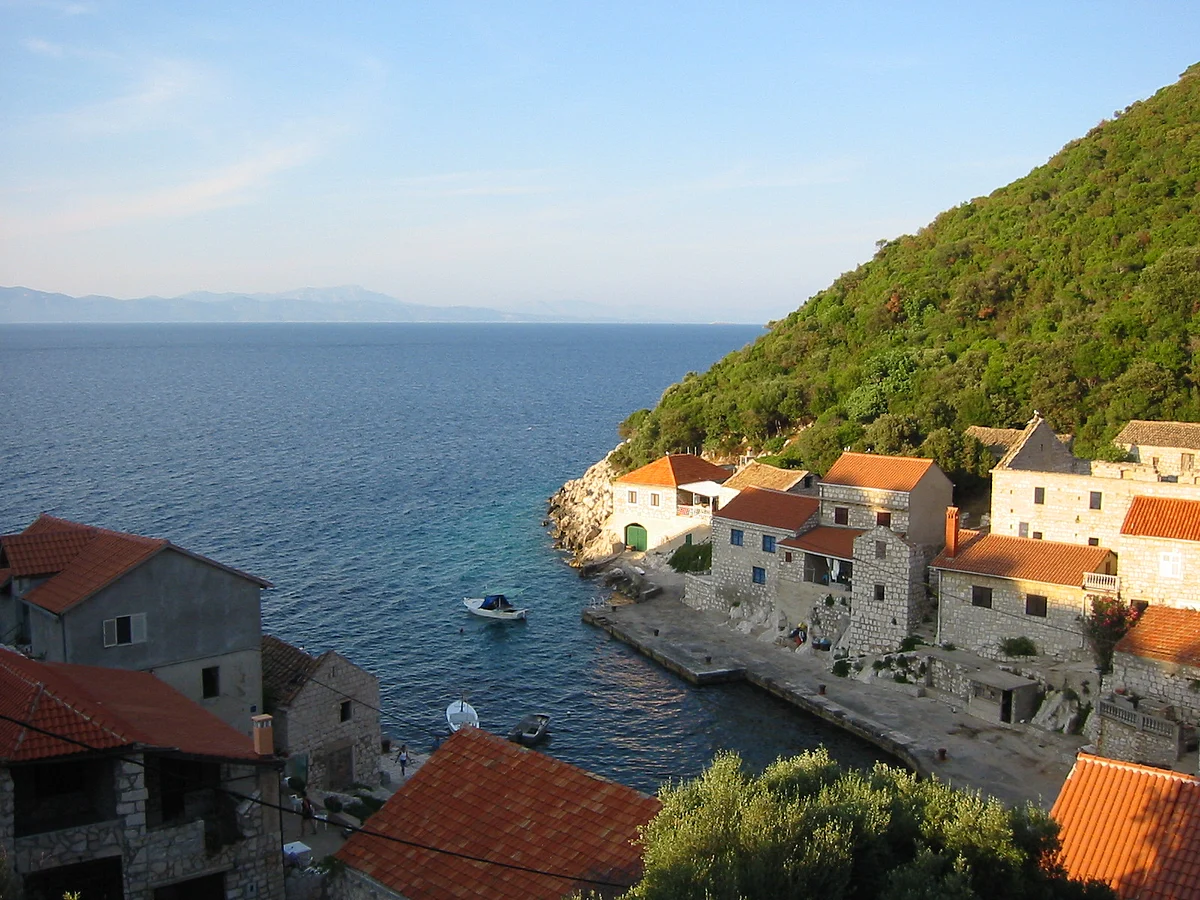
Croatia has a stunning coastline with clear blue water, rocky cliffs, and more than 100 beaches have Blue Flag status. Dubrovnik and Split are popular, but the best part is finding quiet villages, hidden coves, and little beaches where you can relax without the crowds.
Lastovo Island, Dalmatia
Lastovo is a remote, tranquil Croatian island in Dalmatia, known as the "Imperial Island" and a designated Nature Park since 2006. Closed to tourists until 1989 due to its use as a Yugoslav military base, it now offers untouched nature, 46 beaches, 46 vineyards/fields, and 46 surrounding islets.
Things To Do
Nature & Stargazing: As a protected Nature Park and one of Europe’s top stargazing spots, the island a haven for hikers, sailors, and nature lovers.
Unique Architecture: The main town of Lastovo is set inland to hide from pirates, featuring a unique amphitheatre layout, 15th-century stone houses, and distinctive "fumar" chimneys.
Culinary Specialties: Famous for local lobster and fresh Mediterranean seafood.
Key Spots: Ubli (ferry port), Lastovo Town (main inland settlement), Zaklopatica (bay popular with sailors), and Pasadur.
Carnival: Hosts a centuries-old, famous carnival from mid-January to mid-February.
Travel Information
Access: Reached via ferry or catamaran from Split or Dubrovnik (usually via Korčula).
Vibe: Highly peaceful, ideal for disconnecting and relaxing rather than nightlife.
Transportation: A car or scooter is recommended to explore the island, though it is small.
Important Tips
Bring essentials, as options are limited to small supermarkets, mostly in Ubli.
Rock shoes are necessary for swimming in the crystal-clear waters.
Lopud Island, Elafiti
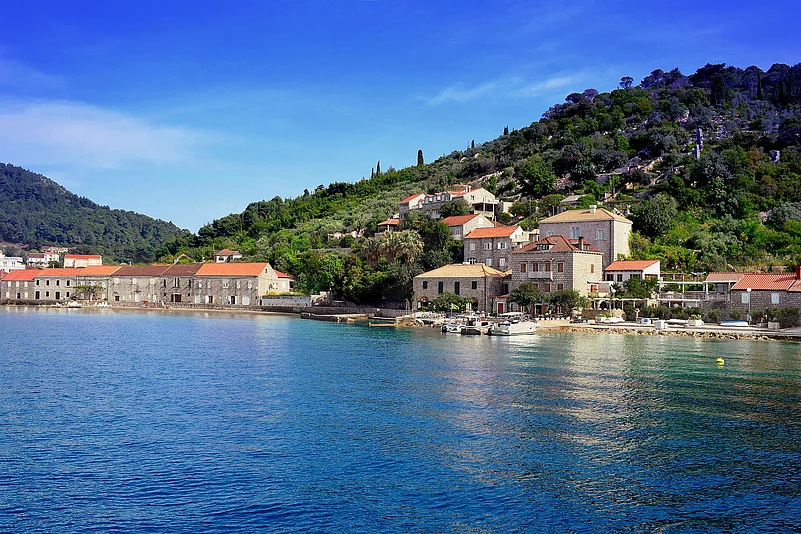

Lopud is a small, car-free island in the Elafiti archipelago, just a short ferry ride from Dubrovnik. It’s peaceful, with one of the few sandy beaches in the area, Šunj Beach, a 15th-century Franciscan Monastery, and lovely botanical gardens. The island has old stone houses and some ruined fortresses, a reminder of its past as a busy seafaring centre. It’s a quiet spot, perfect for escaping the crowds, and easy to reach on daily ferries.
Things To Do
Šunj Beach: This is one of the few sandy beaches in the region, located on the opposite side of the island from the main village (around a 25-minute walk or golf cart ride).
Car-Free: No personal vehicles are allowed, making Lopud a pedestrian-friendly oasis.
Historical Sites: Explore the 15th-century Franciscan Monastery, St. Mary-of-the-Cave Church, and the 19th-century Ɖorđić-Mayneri Park.
Activities: Hiking, snorkeling, dining at waterfront restaurants, and visiting art exhibitions in restored monasteries.
Key Spots: Šunj Beach, Lopud Village (main settlement), Monastery, Ɖorđić-Mayneri Park, and the harbour.
Travel Information
Access: Reached via Jadrolinija ferries from Dubrovnik’s Gruž port in 55–60 minutes.
Vibe: The place is calm and peaceful, ideal for relaxing and exploring rather than nightlife.
Transportation: Walking is easy, but golf carts are available; the island is small enough to explore on foot.
Important Tips
Make sure to bring essentials as shops are limited.
You will need comfortable walking shoes for the paths and historic sites.
Šunj Beach can get busy in peak season, so visit early for a quieter experience.
Novigrad, Istria

Novigrad (Cittanova) is a small town on Istria’s west coast with a relaxed, romantic feel. It used to be a fishing village, and you can still see its history in the narrow cobbled streets, Venetian-style houses, and old city walls. There are calm beaches nearby, colourful sunsets, and plenty of local food to enjoy, from fresh seafood to truffles and Istrian olive oil. It’s a great spot for couples or families looking for a quiet getaway.
Things To Do
Explore The Old Town: Stroll through the historic centre to see the medieval city walls, vibrant cafes, and the Church of St. Pelage and St. Benedetto.
Visit the Lapidarium Museum: Discover a rich collection of stone monuments and early medieval architecture.
Relax on Beaches: Choose from rocky, pebbly, or concrete beaches. Popular spots include Puntomare (near Hotel Maestral), Pinesta, and the beaches on the small peninsula opposite the old town.
Culinary Scene: Stop by cosy taverns (konobas) for fresh seafood and classic Istrian dishes.
Cycle & Walk: Explore the surrounding countryside on numerous cycling trails, or take a scenic walk through the olive groves along the coast.
Travel Information
Access: About an hour from Pula and two hours from Ljubljana, easy to reach by car from the Slovenia-Croatia border.
Vibe: Quiet and laid-back, much calmer than nearby Poreč or Rovinj.
Transportation: The town itself is walkable, but a car is handy for exploring the surrounding area.
Important Tips
Best for couples or families looking for a peaceful getaway.
Don’t miss local specialities like truffles, fresh seafood, and Istrian olive oil.
Privlaka, Dalmatia
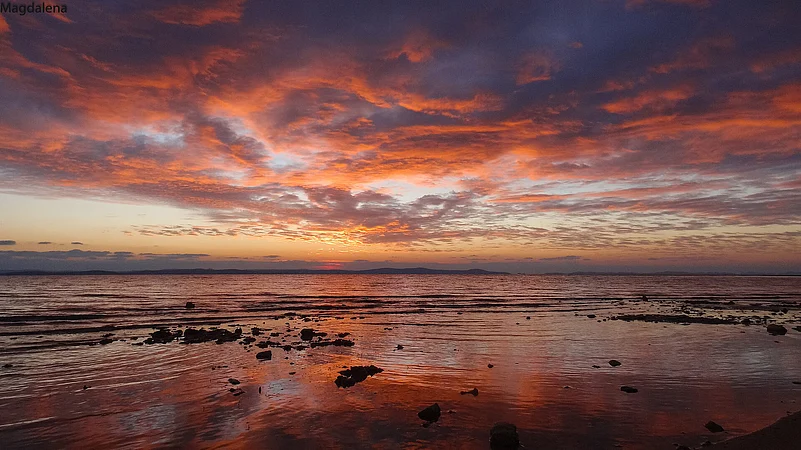
Privlaka is a small fishing village on a quiet peninsula near Zadar and Nin. It’s best known for its shallow sandy beaches, calm lagoons, and lovely sunsets. Families love it here for its relaxed pace, long seaside promenade, and spots for swimming or exploring the local fishing culture. Despite being peaceful, it’s close enough to Zadar and Nin if you want to pop into town for a bit of history or a meal out.
Things To Do
Beaches: Relax on sandy beaches like Mostina, Škrapavac-Bilotinjak, and Sabunike, which is popular for windsurfing and kitesurfing.
Location: The village sits on a 7km by 4km peninsula, surrounded by the sea on three sides, with a mild Mediterranean climate and gentle mistral winds.
Culture & History: Learn about local fishermen, the traditional Sabunjari (sand extractors), the 14th-century St. Vitus Church, and 12 preserved old wells, including the Sokolar well.
Activities: Enjoy fishing, swimming, cycling, windsurfing, and, in autumn, seasonal squid hunting (kosavica).
Cuisine: Try authentic Dalmatian dishes like fresh grilled fish, clams, prosciutto, and the local wine and olive oil.
Travel Information
Access: Only 20 minutes from Zadar and a few minutes from Nin, easily reached by car.
Vibe: Quiet and family-friendly, a peaceful alternative to the busier tourist hubs nearby.
Transportation: The village is walkable, but a car is useful for exploring the surrounding coast and attractions.
Important Tips
Ideal for families or anyone seeking a calm, relaxed holiday.
Bring swimwear, sun protection, and equipment for wind or water sports if you want to try them.
Use Privlaka as a base to visit nearby national parks (Paklenica, Plitvice, Krka) or explore Vransko Lake and Telašćica Nature Park.
Zlarin Island, Šibenik Archipelago
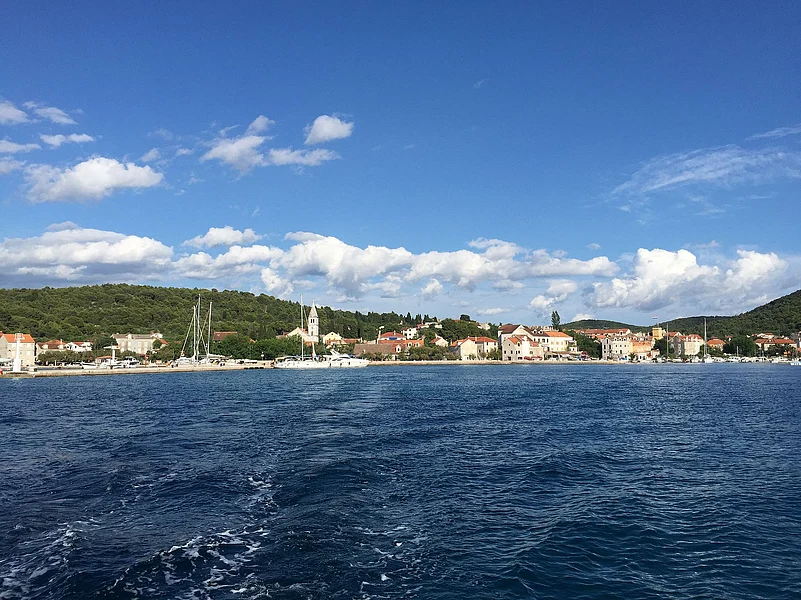
Zlarin is a small, car-free island in the Šibenik archipelago, often called the "island of corals" for its long tradition of harvesting red coral. The island is peaceful, with crystal-clear waters, pine forests, and a laid-back vibe perfect for walking, cycling, and eco-friendly tourism. Despite its calm atmosphere, Zlarin is easy to reach from Šibenik by ferry, making it ideal for a relaxing day trip or a quiet overnight stay.
Things To Do
Coral Tradition: Learn about Zlarin’s long history of red coral harvesting at the local museum and shops, where you can also pick up some handmade coral jewellery.
Car-Free Zone: With no cars on the island, it’s peaceful and perfect for strolling through the village or cycling along the coastal paths.
Beaches & Nature: Enjoy rocky and pebble beaches, with favourites including Malpaga and Vela Oštrica.
Hiking: A trail to Klepac peak offers panoramic views of the Šibenik channel, surrounding islands, and, on clear days, even Velebit Mountain.
Regattas & Culture: Attend traditional wooden boat regattas in summer, and admire old Dalmatian stone houses and the 15th-century Church of the Assumption of Mary.
Travel Information
Access: Zlarin is just a short ferry ride from Šibenik or Vodice, making it an easy choice for a day trip.
Vibe: Calm, eco-friendly, and pedestrian-friendly — ideal for walking, cycling, or just relaxing.
Transportation: The island is small and walkable; no cars are needed.
Important Tips
Best visited from late spring to early autumn, with July and August being the busiest months.
Try the local restaurants and cafes for fresh seafood and traditional Dalmatian dishes, including peka.
Bring swimwear and walking shoes for beaches and hiking trails.
FAQs
What makes the Croatian coast special?
The Croatian coast stretches over 6,000 km along the Adriatic Sea, with more than 1,200 islands. It’s famous for crystal-clear turquoise waters, medieval towns with Venetian-style architecture, pebbly beaches, rocky cliffs, and rich history in cities like Dubrovnik and Split.
When is the best time to visit?
Summer (June–August): Hot, sunny weather, warm water, and peak activity.
Shoulder season (May or September): Pleasant temperatures, fewer crowds, ideal for sightseeing and exploring historic towns.
What type of beaches can I expect in Croatia?
Most beaches are pebbly or rocky, so water shoes are recommended. Sandy beaches exist on islands like Rab, while small coves and hidden bays are perfect for quieter visits.
What is Croatian cuisine like along the coast?
The coast offers fresh seafood, Mediterranean dishes, and local specialties influenced by Italian and Central European traditions. Don’t miss grilled fish, clams, olive oil, and truffles in Istria and Dalmatia.
How do I get to the Croatian coast?
Major cities along the coast are accessible via international airports in Pula, Rijeka, Zadar, Split, and Dubrovnik. Ferries and catamarans connect islands like Lastovo, Lopud, and Zlarin.


