


Southeast Asia's relationship with water goes well beyond its beaches, islands, and river cruises. Across the region, entire communities have built their lives around lakes, bays, and sheltered waterways, with homes resting on stilts or floating platforms, markets operating from boats, and children travelling to school by water. From Cambodia's vast Tonle Sap Lake to Vietnam's fishing communities in Lan Ha Bay, these settlements offer a glimpse into ways of life shaped by changing water levels, traditional livelihoods, and generations of local knowledge. Some are known for their distinctive fishing practices, while others have developed ingenious ways to grow food on water. For travellers, visiting them offers an opportunity to understand the region beyond its familiar holiday destinations, with locally run homestays and waterfront lodges making the experience more personal.
Kampong Phluk, Tonle Sap Lake, Cambodia


On Cambodia's Tonle Sap Lake, Kampong Phluk is a settlement shaped by one of Southeast Asia's most remarkable seasonal transformations. As monsoon waters rise, the surrounding forests become submerged, and boats take over as the primary means of getting around. During the dry months, the water recedes to reveal towering wooden houses built on stilts, some reaching up to 10 metres above the ground. The village is home to fishing families whose livelihoods depend on the lake's changing conditions. A boat ride through its flooded forests offers a closer look at local life, traditional fishing practices, and the relationship between the community and its natural surroundings.
Where To Stay
Kampong Phluk Floating Village Homestay
For travellers looking to experience village life beyond a day trip, this homestay offers an opportunity to stay with a local family. Guests can explore the surrounding waterways, experience the flooded mangrove forests, and learn about everyday life on Tonle Sap. Check the current accommodation and access arrangements before booking, as facilities in the area are relatively basic.
ST 63 Home Stay & Tour Kampong Khleang
Located in Kampong Khleang, another settlement on Tonle Sap, this homestay is a good base for exploring the lake's stilt-house communities. Guests can expect home-cooked meals, local hospitality, and boat excursions, including sunset trips towards the open lake. Its location also makes it possible to understand how neighbouring communities have adapted to seasonal changes in water levels.
Inle Lake, Myanmar
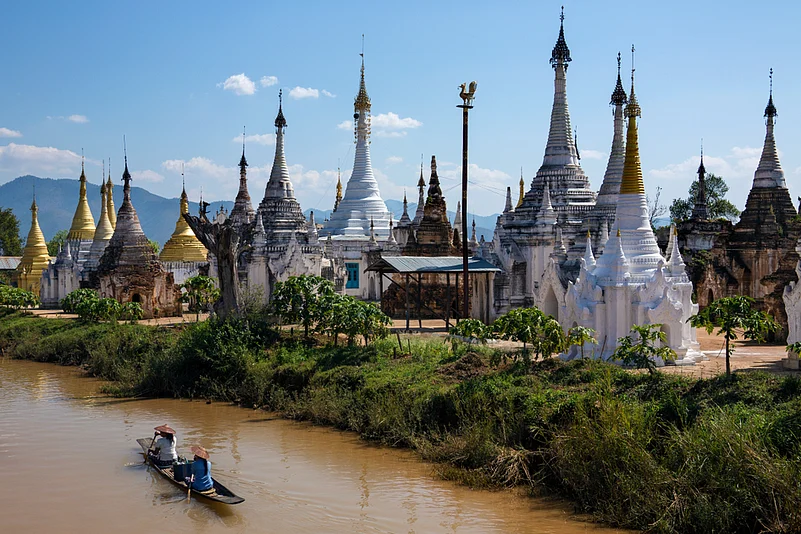
In Myanmar's Shan State, Inle Lake is known for its floating gardens, stilt-house settlements, and the distinctive fishing techniques of the Intha community. Here, agriculture and everyday life have adapted to the lake's aquatic environment. Farmers cultivate tomatoes, cucumbers, and other vegetables on floating beds made from aquatic vegetation and silt, anchored using bamboo poles. The Intha fishermen, meanwhile, are recognised for their one-legged rowing technique, which allows them to navigate the lake while keeping their hands free to handle fishing nets. A boat excursion through the settlements offers an introduction to traditional crafts, local markets, and the agricultural practices that sustain communities around the lake.
Where To Stay
Villa Inle Boutique Resort
Set along the lake, Villa Inle Boutique Resort offers bungalow-style accommodation with views of the surrounding landscape. Its facilities include an outdoor swimming pool and a spa, making it a comfortable base for exploring the region. Guests can arrange excursions to nearby villages, floating gardens, and local markets.
Sanctum Inle Resort
Known for its cloister-inspired architecture and traditional teak furnishings, Sanctum Inle Resort offers a more luxurious stay in the region. The property has a sunset deck bar and provides a comfortable starting point for exploring the lake's settlements, waterways, and cultural attractions.
Cai Beo Fishing Village, Vietnam

Near Cat Ba Island, Cai Beo is considered one of Vietnam's oldest fishing villages, with a history of settlement stretching back thousands of years. Located in Lan Ha Bay, the community is surrounded by limestone formations and sheltered waters, with floating homes and fish farms forming an integral part of its landscape. Fishing remains central to local livelihoods, while aquaculture provides another source of income for residents. Visitors can explore the settlement by boat or kayak, passing floating fish farms and homes connected by narrow waterways. An overnight stay in the area offers a chance to experience the bay after the day-trip boats have departed.
Where To Stay
Lan Ha Floating Homestay
Located within the floating settlement near Cat Ba Island, Lan Ha Floating Homestay offers private air-conditioned rooms, Wi-Fi, and access to water-based activities such as kayaking. Its waterfront setting makes it a convenient choice for travellers interested in exploring the fishing communities and limestone-fringed waterways of Lan Ha Bay.
Eco Floating Stay Cai Beo
This floating farmstay offers a more nature-oriented accommodation experience in the Cai Beo area. Managed through Blue Swimmer Adventure, it is associated with off-grid waterfront rooms, home-cooked seafood, and complimentary kayaking. It is worth considering for travellers who want to spend more time on the water rather than return to Cat Ba Island after an excursion.
Cua Van Floating Village, Vietnam

Set amid the limestone formations of Ha Long Bay, Cua Van is among Vietnam's best-known floating fishing villages. For generations, fishing families have lived in houses built on floating platforms, with boats serving as their primary means of transport. The community has traditionally depended on fishing and aquaculture, with schools, markets, and other essential facilities adapted to life on the water. Its setting makes a visit particularly rewarding, with opportunities to kayak through sheltered channels and learn about the fishing practices that have sustained the settlement. Travellers should arrange visits through responsible local operators and respect the privacy of residents.
Where To Stay
Lan Ha Floating Homestay
For visitors exploring the wider Ha Long Bay and Lan Ha Bay region, this floating homestay near Cat Ba Island offers an accommodation option with private rooms and access to kayaking. It is a useful base for combining a visit to Cua Van with other fishing communities in the surrounding bay. Boat transfers and the route should be confirmed with the property before arrival.
Eco Floating Stay Cai Beo
Situated in the Cai Beo area, this floating stay is another option for those exploring Vietnam's traditional fishing settlements. Its off-grid accommodation, seafood meals, and kayaking experiences make it suitable for travellers interested in spending time on the water. It can also be considered as part of a wider itinerary covering Cat Ba Island and Lan Ha Bay.
Vung Vieng Floating Village, Vietnam

Located in Bai Tu Long Bay, close to Ha Long Bay, Vung Vieng is a traditional fishing settlement surrounded by limestone islands and sheltered waterways. Its residents have historically depended on fishing and aquaculture, with floating homes and fish farms forming an important part of the community's landscape. Visitors can explore the village by traditional bamboo boat, often accompanied by local rowers who share insights into the area's fishing heritage and everyday life. The surrounding bay also offers opportunities for kayaking and exploring the limestone formations. For travellers interested in understanding Vietnam's coastal communities, Vung Vieng offers a different perspective on life beyond the country's better-known cities and beaches.
Where To Stay
Lan Ha Floating Homestay
Travellers planning to explore multiple floating settlements in northern Vietnam can consider this homestay near Cat Ba Island as an accommodation base. It offers private rooms and access to kayaking, alongside opportunities to explore the waterways of Lan Ha Bay. Vung Vieng lies in a different bay, so visitors should arrange a separate boat excursion rather than assume the property offers direct access.
Eco Floating Stay Cai Beo
For an overnight experience on the water, this floating farmstay near Cai Beo offers accommodation alongside local seafood and kayaking. It is particularly suited to travellers exploring the fishing villages around Cat Ba Island. Those planning to visit Vung Vieng can use it as part of a longer northern Vietnam itinerary, with onward transport and boat arrangements organised separately.
FAQs
1. Which are the best floating villages to visit in Southeast Asia?
Tonle Sap in Cambodia, Inle Lake in Myanmar, and Cai Beo, Cua Van, and Vung Vieng in Vietnam are notable destinations.
2. Why do people live in floating villages?
Many communities developed water-based settlements because of their dependence on fishing, aquaculture, trade, and the surrounding aquatic environment.
3. Can tourists stay in floating villages in Southeast Asia?
Yes. Some destinations offer floating homestays, waterfront lodges, and locally run accommodation.
4. What is the best way to explore floating villages?
Boat excursions and kayaking trips with local guides are popular ways to explore these settlements and understand their way of life.
5. What should travellers keep in mind when visiting floating villages?
Respect residents' privacy, follow local customs, use responsible tour operators, and support community-owned businesses.


