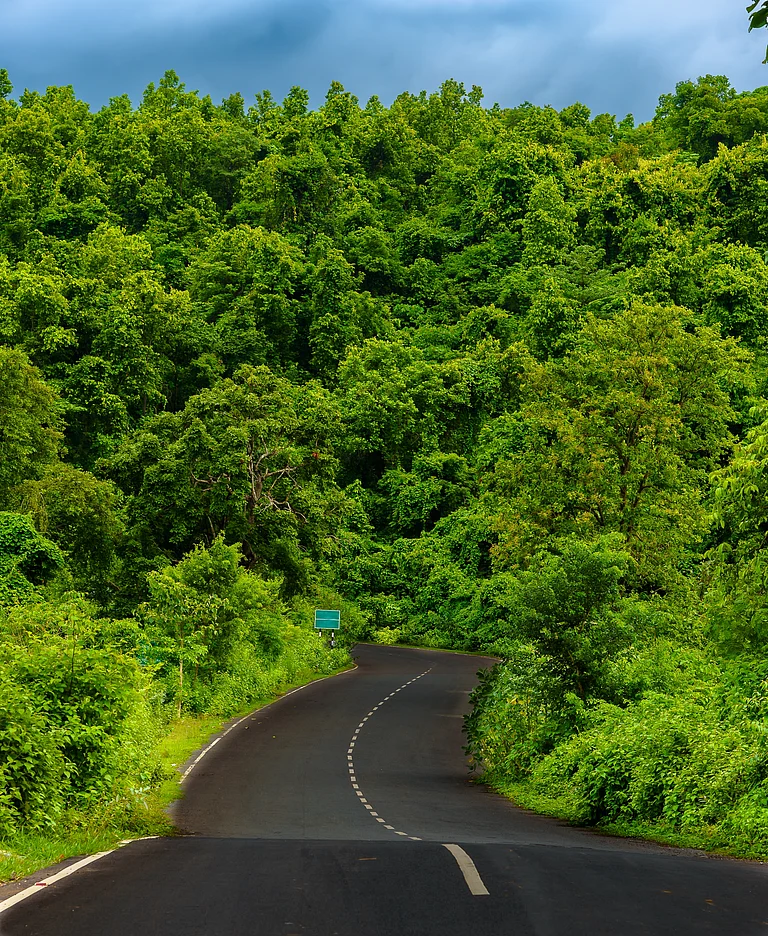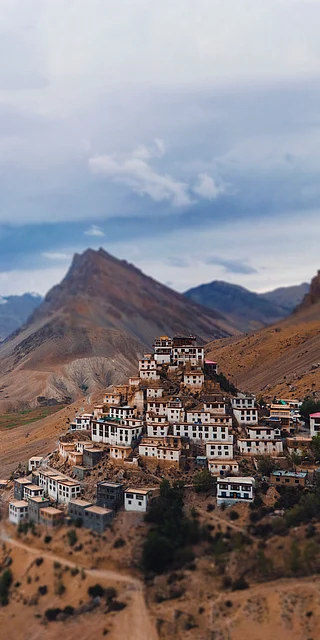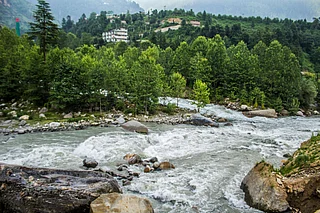


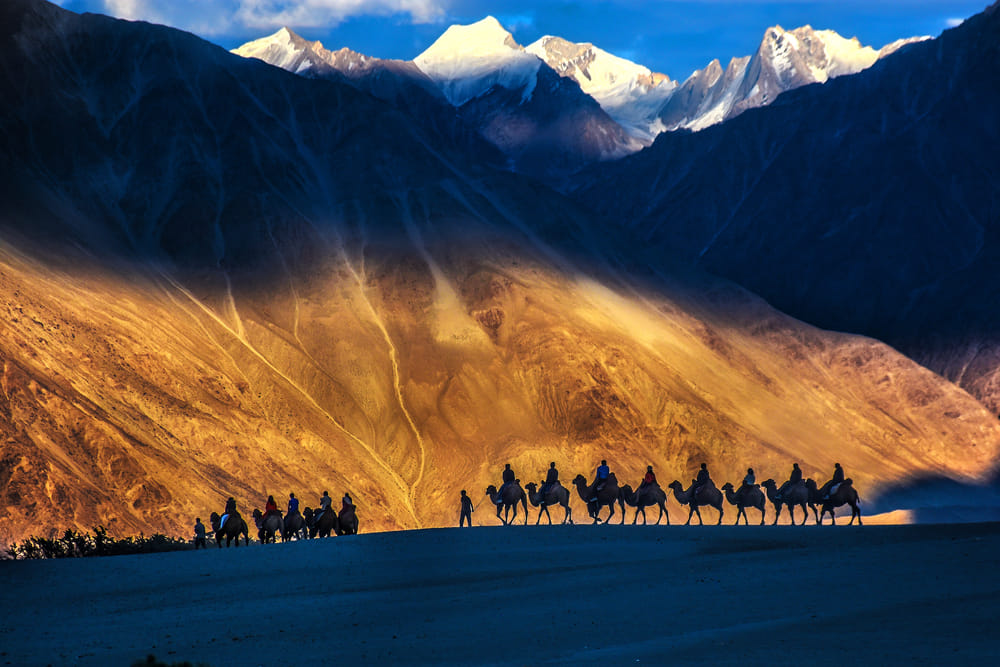
July is when the monsoon really changes how India feels. If you’re travelling then, you’ll see some places turn bright green almost overnight, others slow right down with rain, and a few mountain regions finally opening up after winter. It’s not a “perfect weather” month, and honestly that’s the point—you end up experiencing places as they are, not how they’re usually shown. Hills are misty, waterfalls get loud, coastal towns feel empty and wet, and in places like Ladakh, the roads finally open again. From Coorg to Varkala, Udaipur to the Valley of Flowers, July shows you a side of India you don’t really get any other time.
Pondicherry


Why Visit In July
The July showers turn Pondicherry into a rain-washed coastal town. You’ll notice how the French Quarter just slows down. The streets look fresher after every spell of rain, and you can actually enjoy walking around without the usual heat pressing down on you. It’s a quieter month too, so you won’t be fighting crowds or high prices. You can take your time moving between cafés, small galleries, and the seaside.
Things To Do
Celebrate Bastille Day (July 14) with parades and festive local events organised by the French Consulate.
Explore Ousteri Lake, where monsoon rains create lush surroundings perfect for birdwatching and nature walks.
Try surfing at Serenity Beach and Auroville Beach, where monsoon waves attract experienced surfers.
Stroll through the French Quarter to admire pastel colonial buildings and enjoy café culture in the rain.
Visit Aurobindo Ashram for a calm, meditative experience ideal during rainy mornings. They have amazing cafes and shops selling handcrafted goods.
Catch the monsoon sunsets at Goubert Avenue, or Promenade.
Travel Tips
Expect warm, humid monsoon weather (25 degrees Celsius – 32 degrees Celsius) with frequent heavy showers.
Carry rain gear: umbrella, waterproof jacket, and backpack cover.
Avoid swimming due to strong monsoon currents.
Renting a scooter is the easiest way to explore both White Town and surrounding areas.
Udaipur, Rajasthan
Why Visit In July
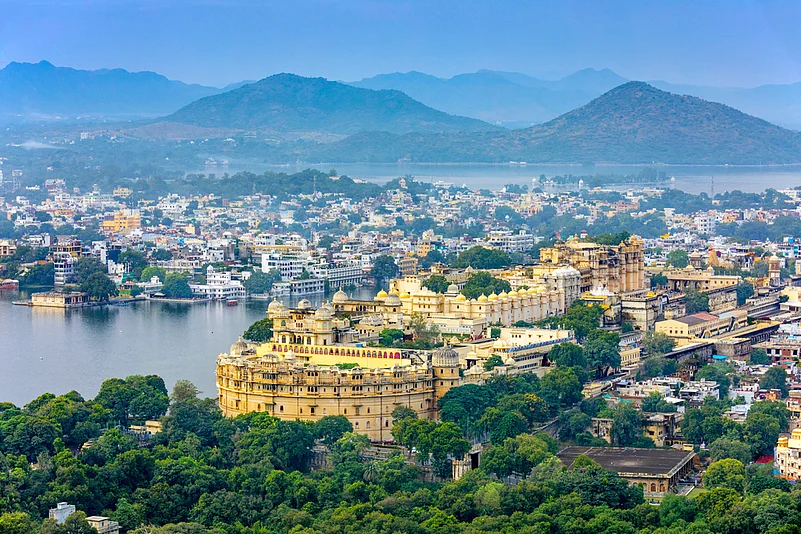
Visiting Udaipur in July is all about seeing the “City of Lakes” at its most atmospheric. The monsoon rains turn the surrounding Aravalli hills into a green landscape, and the lakes fill up, reflecting palaces and cloudy skies across their surface. The weather also becomes more comfortable than the peak summer heat, usually sitting between 25 degrees Celsius and 35 degrees Celsius, which makes it easier to move around the city.
Things To Do
Visit Monsoon Palace (Sajjangarh) via the winding drive through Sajjangarh Biological Park for sweeping monsoon views over the Aravallis and lakes
Take a boat ride on Lake Pichola, passing Taj Lake Palace and Jag Mandir in cooler, overcast weather
Spend time at Fateh Sagar Lake and Rani Road, enjoying kulhad coffee and snacks like pyaaz kachori by the water
Explore City Palace and Jagdish Temple, both especially refreshing to walk through during the monsoon
Explore local bazaars for handicrafts, textiles, and traditional puppets
Travel Tips
Pack light clothes that dry quickly, as rain can come and go
Carry a small umbrella or light raincoat
Start sightseeing early to avoid crowds and get better light
If you want a rooftop café near Ambrai Ghat, it’s better to book a couple of days ahead
In the Old City, it’s usually easier to walk or take an auto rather than trying to drive through the narrow lanes
Coorg, Karnataka
Why Visit in July
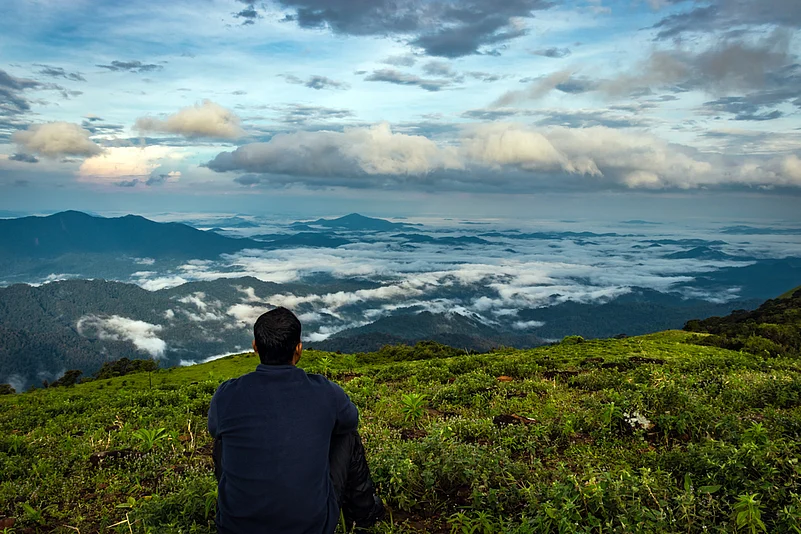
July in Coorg is really just rain, mist, and slow-moving days. If you’re there, you’ll notice how the hills don’t dry out at all—they stay deep green, almost all the time. Coffee estates feel like they’ve just been washed every time the rain passes. Waterfalls in Coorg are at their loudest and fullest now, so you’ll hear them before you even see them. It’s also one of the quieter times to visit, so you’re not dealing with crowds, and homestays often feel more relaxed and a bit cheaper. Temperatures hover around 18 degrees Celsius to 23 degrees Celsius, and the mornings usually come with fog that drifts in and out, so whole stretches of the hills just disappear for a while.
Things To Do
Watch Abbey Falls and Iruppu Falls at their most powerful during the monsoon
Walk through coffee plantations, ideally with a guide, as paths can get quite slippery
Visit Madikeri Fort, Omkareswara Temple, or Nalknad Palace when the rain sets in
Take on treks like Tadiandamol or Pushpagiri only if the weather is stable and routes are safe
Travel Tips
A homestay in a coffee estate makes the trip better than a hotel
Waterproof shoes + umbrella are non-negotiable
Roads can slow down in heavy rain, so don’t overplan your day
Keep some buffer time—you’ll move slower than you expect in monsoon Coorg
Varkala, Kerala

July in Varkala is usually when things slow down—and you’ll notice it right away. The cliffs go a deeper green after the rains, and the sea doesn’t look calm at all; it keeps hitting the red rocks below in a rough, steady way. You won’t be dealing with crowds either, so cafés and cliff stays feel more laid-back and easier on the wallet. The air is humid, but not uncomfortable in the way summer heat is—it just hangs around. A lot of people also come here during this time for Ayurvedic treatments, since the monsoon is considered the right season for it.
Things To Do
Sit at cliffside cafés on North Cliff and watch the rain over the sea (InDa Café, Darjeeling Café, Café del Mar)
Try surfing at Papanasam or Black Beach with local surf academies like Mahalo Surf
If you’re interested, try an Ayurvedic massage or therapy while you’re here—it’s especially popular in the monsoon
Head out to Kappil for a boat ride or kayak through the backwaters and mangroves
Visit Anjengo Fort and Lighthouse when the weather turns rough for moody coastal views
Travel Tips
Keep a proper umbrella or rain jacket with you at all times
Don’t assume you can swim—monsoon currents can be strong, so always check locally first
Don’t overplan your days; the weather along the coast changes quickly, and you’ll likely need to adjust as you go
Valley Of Flowers, Uttarakhand
Why Visit in July
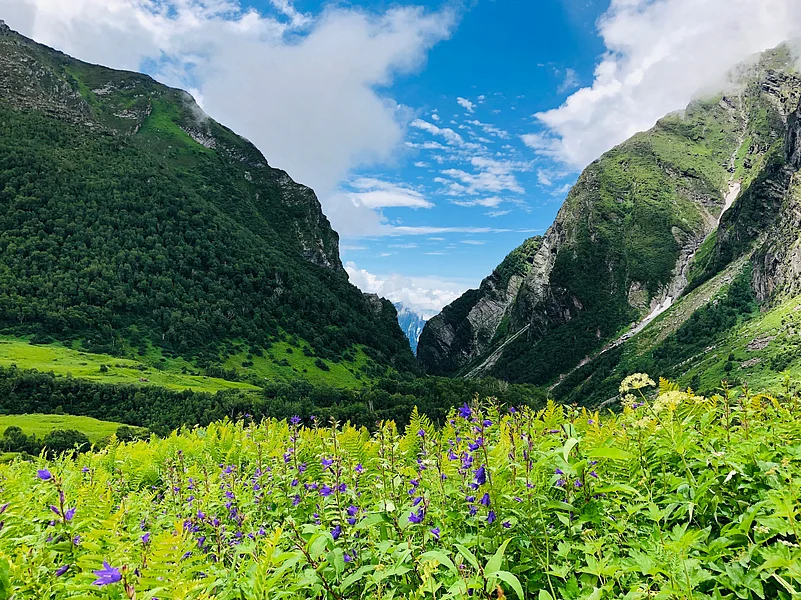
July is when the Valley of Flowers starts waking up after the snow has melted and the monsoon moves in. If you’re trekking then, you’ll notice the slopes turning green pretty quickly, with streams getting stronger each day. Set in the Garhwal Himalayas, flowers here begin to show up in patches first, and by mid-July you can actually catch proper blooms—sometimes even rare ones like Brahma Kamal and Blue Poppy along the way. It’s still quieter than August, so the trail doesn’t feel too crowded and you get more space to take it in. The weather stays cold, around 6 degrees Celsius to 11 degrees Celsius, and rain becomes more regular as you go deeper into the month.
Things To Do
Trek through the Valley of Flowers and walk across blooming alpine meadows (permit needed at Ghangaria)
Hike up to Hemkund Sahib, a steep but rewarding trail with a high-altitude lake and shrine
Spend time in Ghangaria village, the base camp for both treks
Look out for Himalayan Monal, musk deer, and alpine butterflies along the trail
Travel Tips
Start early each day to avoid rain and slippery conditions
Carry full rain gear—waterproof shoes, jacket, and quick-dry layers
You must stay in Ghangaria; camping inside the park is not allowed
Get your entry permit in advance and keep it valid for the trek duration
Leh, Ladakh
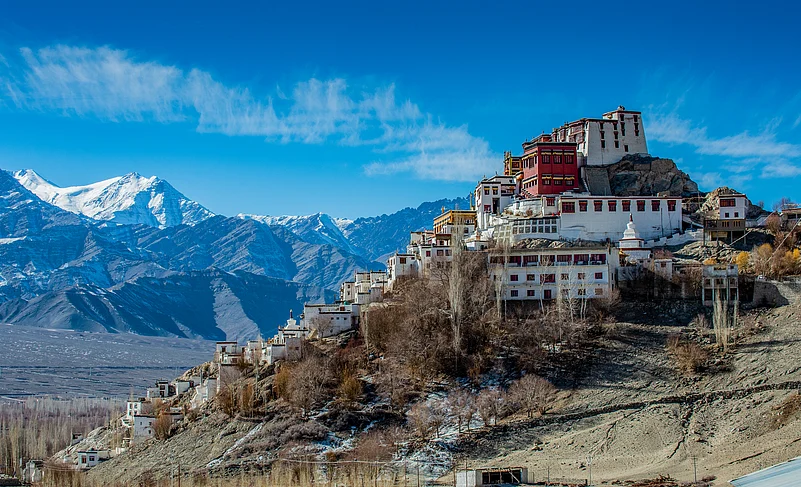
Why Visit in July
July is one of the best times to be in Leh, Ladakh. If you’re there, you’ll notice the weather is actually comfortable for a change—days sit around 15 degrees Celsius to 25 degrees Celsius, and the skies stay mostly clear. Roads that stay shut in winter are open again, including high passes like Khardung La, so getting around becomes possible in a way it just isn’t earlier in the year. Both Srinagar–Leh and Manali–Leh routes usually operate, which makes road trips and bike rides popular. It’s also the season when places like Pangong Lake and Nubra Valley are fully accessible, with colours and landscapes looking their sharpest.
Things To Do
Cross Khardung La and explore Nubra Valley and Hunder sand dunes
Visit Pangong Lake and Tso Moriri for camping and long views
Explore monasteries like Thiksey, Hemis, and Diskit
Try rafting on the Indus or Zanskar and go mountain biking
Walk around Leh town, visit Shanti Stupa and Leh Palace
If timing matches, attend the Hemis Festival with masked dances
Travel Tips
Expect crowds—it’s peak season, so book flights and stays early
Spend at least 1–2 days in Leh just to acclimatise
Carry AMS medication if needed and avoid rushing plans
Get Inner Line Permits for Nubra, Pangong, and other restricted areas
Nights can still get cold, so pack warm layers even in July
FAQs
1. Which are the best places to visit in India in July?
Some of the best places to visit in India in July include Coorg, Varkala, Pondicherry, Udaipur, the Valley of Flowers, and Leh-Ladakh. Each offers a different experience, from monsoon greenery and beaches to high-altitude landscapes and trekking trails.
2. Is July a good time to visit Ladakh?
Yes, July is one of the best months to visit Ladakh. Major routes such as Manali-Leh and Srinagar-Leh are usually open, and destinations like Nubra Valley, Pangong Lake, and Tso Moriri are fully accessible.
3. Which hill stations are best to visit in July in India?
Coorg and the Valley of Flowers are among the top hill destinations in July. Coorg is known for mist-covered coffee plantations and waterfalls, while the Valley of Flowers offers blooming alpine meadows in the Himalayas.
4. What are the best monsoon destinations in India?
Coorg, Varkala, Pondicherry, and Udaipur are among the most popular monsoon destinations in India. The rains enhance their landscapes, making them ideal for slow travel, nature experiences, and photography.
5. Can I trek to the Valley of Flowers in July?
Yes. July marks the beginning of the blooming season in the Valley of Flowers National Park. The trek from Ghangaria is open, and visitors can witness lush greenery, alpine flowers, and Himalayan scenery.