Eco-sensitive zones rarely make headlines, but when the Central Government quietly marked the land around Rajasthan’s Kumbhalgarh Wildlife Sanctuary as one such protected stretch this January, it signalled a major shift in how fragile landscapes in the Aravallis will be treated going forward. For travellers, conservationists and the nearly hundred villages tucked into these hills, the notification has long-term implications that ripple far beyond the paperwork.
Fragile Aravalli Slopes
Kumbhalgarh Wildlife Sanctuary lies folded into the ancient Aravalli mountain range—one of the oldest geological formations on the subcontinent and also one of the most stressed. The newly declared Eco-Sensitive Zone (ESZ) spans an area ranging from zero to one kilometre along the sanctuary’s boundary, covering lands in Udaipur, Pali and Rajsamand districts. Official records put this at about 243 square kilometres, overlapping 94 villages and pockets of farmland, forests and grazing land.
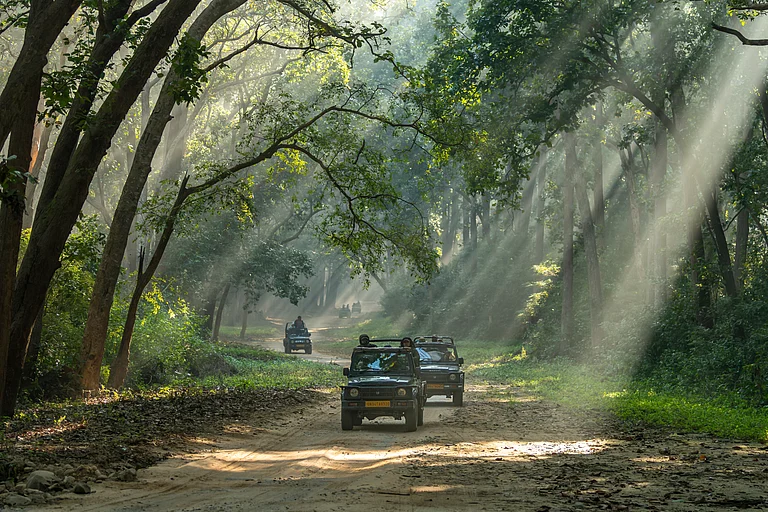
The sanctuary itself stretches over 610 square kilometres and is known for its rugged hills, scrubby forests and surprisingly rich biodiversity. For a semi-arid landscape, it bursts with life: leopards prowl the ridges, striped hyenas skulk in the valleys, jungle cats and Indian pangolins slip into cover, while blue bull and chinkara wander open grassland. Birders know the region as a habitat for species like the painted francolin. Less known but equally vital is the sanctuary’s role as a catchment for the Banas and Luni river systems—rivers that define water security across large swathes of Rajasthan.
Understanding Eco-Sensitive Zones
Eco-Sensitive Zones (ESZs) can be thought of as a gentle buffer around some of India’s most precious natural spaces—national parks, wildlife sanctuaries, protected forests and other fragile ecosystems. ESZ's create a transition area where human activity is carefully managed so it doesn't disturb the land, water, plants or wildlife, instead of drawing a hard boundary between nature and people.
The idea is to stop or restrict activities that could harm the environment, such as large industries, mining, or unregulated construction. At the same time, practices that work with nature—like organic farming, small-scale eco-tourism, and community-led conservation—are encouraged. This allows local communities to earn livelihoods without putting long-term pressure on the ecosystem they depend on.
In India, ESZs are notified under the Environment (Protection) Act, 1986. Both state and central authorities oversee these areas to make sure the rules are followed. At their core, ESZs are about balance to protect natural landscapes for future generations while recognising the needs and realities of the people who live around them.
Activities Now Restricted
Declaring an ESZ around Kumbhalgarh isn’t just a symbolic gesture. It redraws what human activity can look like in and around one of the Aravalli range’s most ecologically fragile belts. The notification issued mid-January bans or restricts a range of environmentally damaging operations, particularly mining, stone quarrying and crushing, brick kilns, polluting industries, hydroelectric projects and new windmill installations. Large-scale commercial or industrial real estate cannot encroach into areas earmarked as forests, horticulture zones, agriculture belts, parks or open recreational spaces.
Tourism isn’t left untouched either. New hotels and resorts are no longer allowed within one kilometre of the protected boundary or within the ESZ, depending on which limit comes closer. Eco-tourism as an idea isn’t discouraged, but activities within that broad category—including night traffic movement, hill slope protection works and new construction—will now be tightly regulated to prevent the slow degradation that often slips under the radar.
People And Future

For the villages within the ESZ, the move arrives with mixed emotions. On one hand, restrictions on mining and industrial expansion may protect water sources, farmlands and animal corridors that residents have relied on for generations. On the other, regulation raises questions about livelihoods, mobility and the future of local enterprise. The government has signalled that the ESZ could, in the long run, encourage more sustainable models built around organic farming, agroforestry and community-driven tourism—allowing indigenous communities to live with fewer environmental risks while strengthening traditional knowledge systems.
A dedicated committee has been formed to ensure the guidelines aren’t just decorative paperwork. Monitoring compliance will be key, especially in a region long targeted by the mining lobby. Decades of quarrying across the Aravallis have wounded the range—flattening hills, choking aquifers and altering microclimates. Scientists repeatedly warn that unchecked extraction in these hills is not merely a matter of scenic loss; it affects water security for cities, heat regulation, soil erosion and even monsoon behaviour across north-west India. In that context, Kumbhalgarh’s ESZ acts as a small but significant buffer.
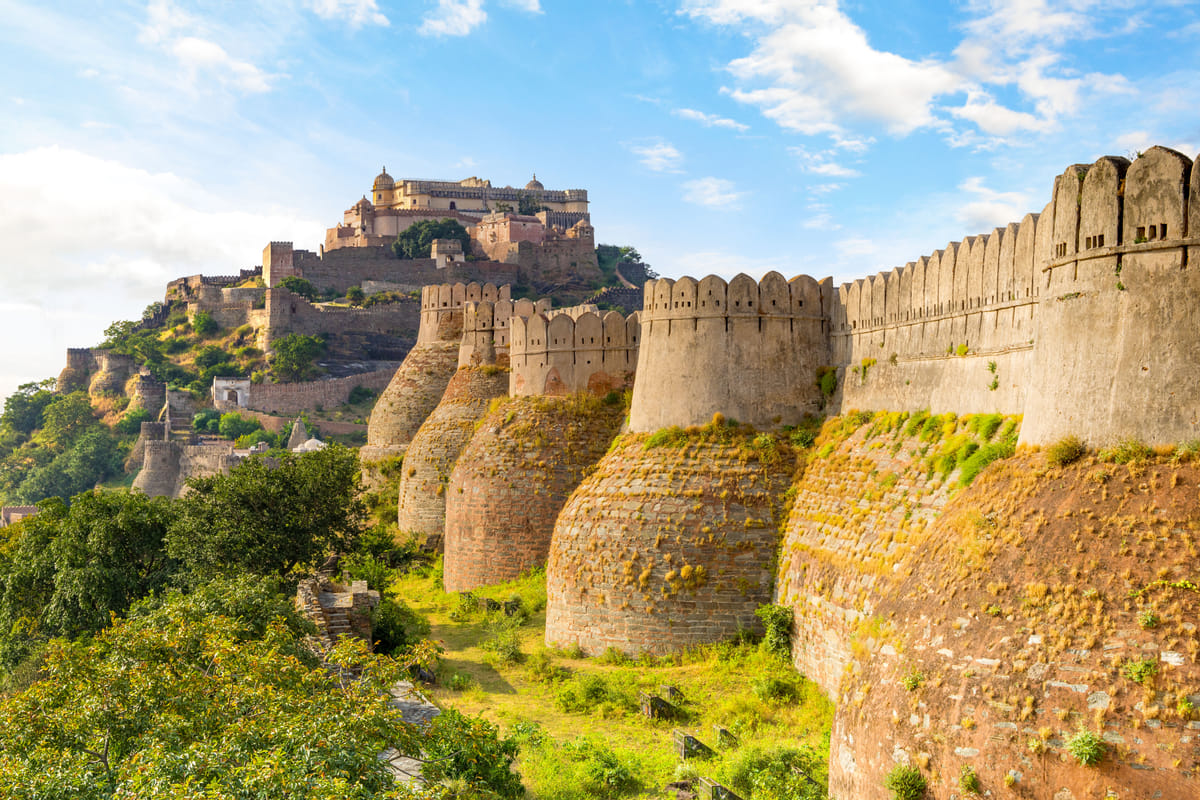
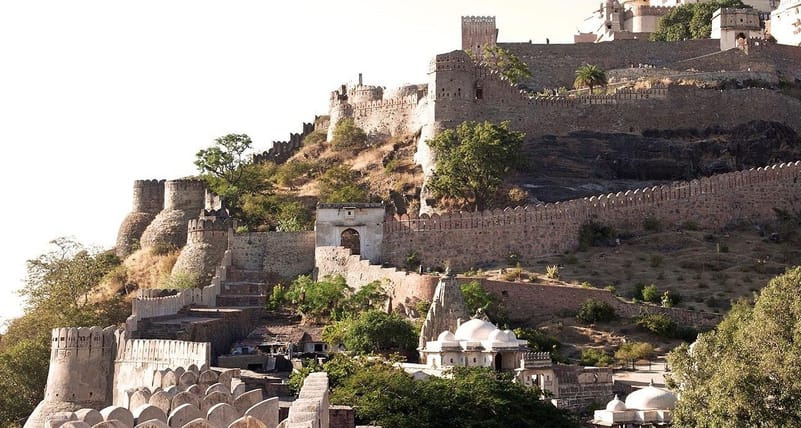
For travellers, this may reshape how tourism in southern Rajasthan evolves. The glimmering Lake City of Udaipur lies just 80 kilometres from the sanctuary, and many itineraries loop through Kumbhalgarh Fort—a UNESCO-listed masterpiece with the second-longest continuous wall in the world—before drifting into the forest for wildlife sighting. The new norms ask tourism to slow down and get smarter, nudging businesses towards low-impact stays, guided nature trails, cultural exchanges and seasonal travel.
Whether this eco-sensitive designation becomes a template for other threatened parts of the Aravalli range remains to be seen. For now, Kumbhalgarh stands as a reminder that conservation isn’t always about pulling gates shut; it can also be about carving out breathing spaces where rivers, leopards and local communities all get a fighting chance.
(With inputs from multiple sources.)
FAQs
1. What has been declared around Kumbhalgarh Wildlife Sanctuary?
A zero-to-one kilometre Eco-Sensitive Zone (ESZ) has been notified around the sanctuary in Rajasthan’s Aravalli range.
2. Why was the ESZ declared?
To protect the region’s fragile biodiversity, forest cover and river catchment systems from environmentally harmful activities.
3. Which activities are restricted or banned in the ESZ?
Mining, polluting industries, stone quarrying, brick kilns, hydro projects, windmills, and new hotels or resorts are not allowed.
4. How many villages fall within the ESZ?
Ninety-four villages across Udaipur, Pali and Rajsamand districts fall within the newly notified eco-sensitive zone.
5. What species are found in Kumbhalgarh Wildlife Sanctuary?
The sanctuary hosts leopard, striped hyena, jungle cat, Indian pangolin, blue bull and chinkara, along with bird species like painted francolin.