India is a melting pot of diverse cultures and histories. On National Tourism Day 2026, explore five destinations that showcase this vast country’s heritage. Experience historic architecture, sample regional cuisine, and learn about local crafts. These cities offer an immersive introduction to India’s richness of cultures.
National Tourism Day 2026: 5 Cities That Showcase India’s Diverse Cultural Tapestry
India’s cultural landscape is vast and varied, where history, architecture, and local traditions intertwine. This National Tourism Day, explore five cities that offer an unforgettable glimpse into the country’s diverse heritage

Advertisement
Kohima

A Naga tribal man in traditional attire at the Hornbill Festival, Kohima Shutterstock
Why It Shows India’s Culture
Kohima, the capital of Nagaland, is a melting pot of indigenous Naga tribes, each with its own customs and traditions. The streets hum with local crafts and cuisine, offering a vivid window into India’s cultural diversity. If you do not mind crowds, consider visiting during the Hornbill Festival in December - an event that showcases Nagaland’s dances, music, arts, crafts, and food.
Things to Do and See
Start at the Kohima War Cemetery, a place of quiet reflection honouring World War II soldiers. The Mary Help of Christians Cathedral, with its distinctive Naga-Gothic architecture and towering wooden crucifix, is a striking landmark. For nature lovers, treks to Japfü Peak or the Dzukou Valley reveal rhododendron blooms and sparkling streams in winter. In the evening, local eateries and bars offer traditional rice beer and a taste of Nagaland’s lively yet intimate nightlife. Explore the Naga Heritage Village to get a taste of tribal life in one place. Be warned, it can get a bit touristy. It is best to immerse yourself in local culture by staying at homestays in villages. While you’re there, explore the markets for traditional Naga handicrafts and textiles, or pick up authentic indigenous spices to take home.
Advertisement
Check out our Kohima guide here.
Getting There
Kohima is most easily reached via Dimapur Airport, 74 km away, or by train to Dimapur Railway Station. A scenic drive through the hills then introduces visitors to the region’s rolling landscapes.
Gangtok
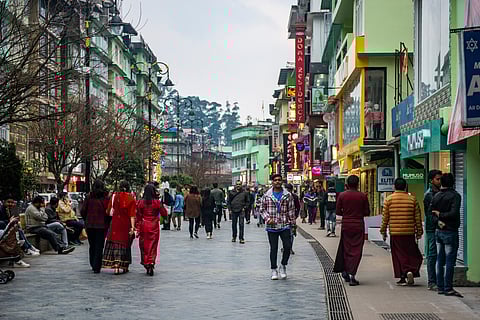
MG Road is a bustling high street in Gangtok zakir1346/Shutterstock
Why It Shows India’s Culture
You will be bowled over by Gangtok, the capital of Sikkim. Perched at an elevation of 1,676 metres along a mountain ridge, the city offers a blend of Buddhist traditions and a cosmopolitan vibe. On clear days, you can see the legendary Mt. Khangchendzonga, the third-highest peak in the world. The city pulses with a mix of local traditions, monasteries, museums, and lively markets, making it a showcase of Sikkim’s rich cultural heritage.
Things to Do and See
In and around Gangtok are many fascinating monasteries to visit. Sikkim’s largest monastery, Rumtek is the principal seat of the Karma Kagyu lineage of Tibetan Buddhism and a major centre of spiritual learning. Enchey Monastery is a seat of the Nyingma order of Vajrayana Buddhism. The name translates to “solitary monastery”. It reflects the monastery’s origins as a hermitage founded on a spot blessed by the tantric master Lama Druptob Karpo, famed for his supernatural ability to fly.
Advertisement

Weaving textiles at the Directorate of Handicrafts and Handloom in Gangtok Anuradha Sengupta
For local crafts, pick up hand-carved tables, carpets, thangkas, and handwoven textiles at the Directorate of Handloom and Handicrafts. At Lal Bazar, pick up organic produce, cheeses, pickles, and traditional ingredients. Book lovers should not miss Rachna Books, an independent bookstore with curated collections on Himalayan culture, literature, and art, often hosting readings and cultural events. The bookstore also has a cafe. Check out our guide here and here.
Getting There
Gangtok is accessible via Bagdogra Airport, roughly 125 km away, or by train to New Jalpaiguri Railway Station, followed by a scenic drive through the Himalayan foothills that sets the tone for the city’s mountain charm.
Kolkata
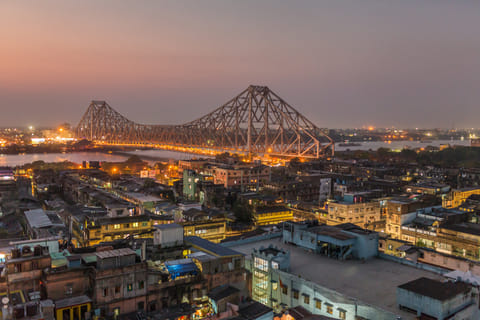
The iconic Howrah Bridge on the river Hooghly Mazur Travel/Shutterstock
Why It Shows India’s Culture
Did you know that West Bengal has officially become India’s second most popular destination for international tourists? In 2024, the state welcomed a remarkable 3.12 million foreign visitors, and Kolkata was a major attraction. Most of the festivals the city celebrates revolve around goddesses, and the city itself is said to be named after Goddess Kali. Kolkata is a living showcase of India’s diversity—mosques like the Nakhoda Masjid stand alongside the Armenian Church, synagogues, India’s only Chinatown, and the Kalighat Kali Temple, one of India’s 51 Shakti Pithas. The Hooghly River and its historic ghats, the UNESCO-listed Durga Puja festival, a rich literary and artistic heritage, and a vibrant street life make Kolkata one of the most culturally intriguing cities.
Advertisement
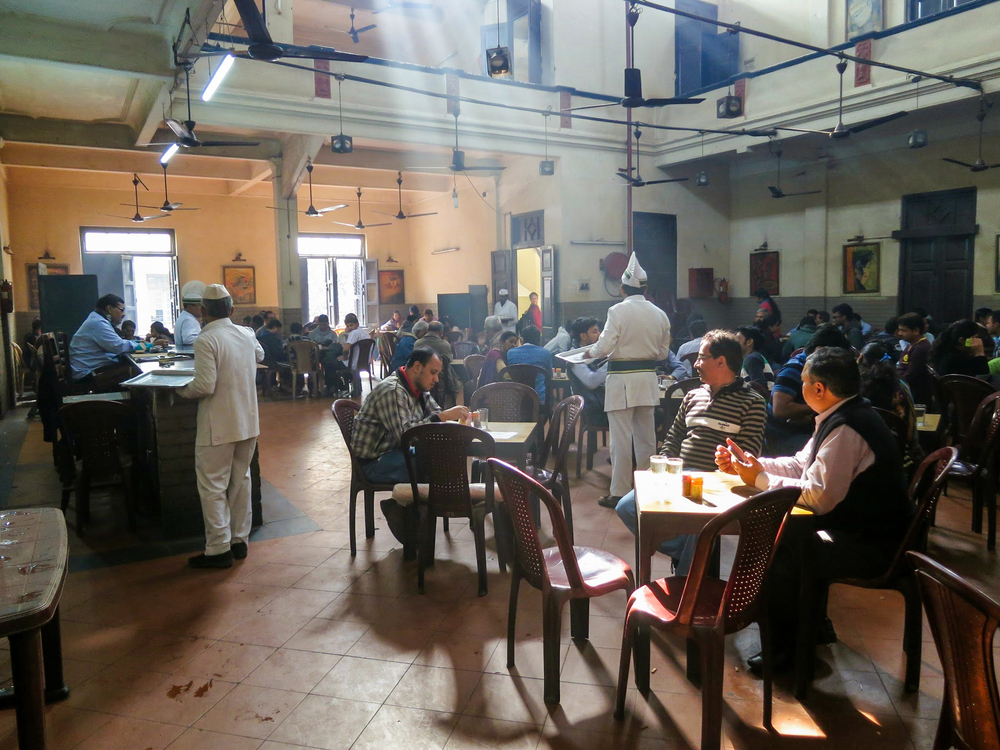
Indulging in coffee and adda still prevails at The Indian Coffee House in Kolkata balajisrinivasan/Shutterstock
Things to Do and See
Explore the colonial architecture in and around Dalhousie Square, walk along the iconic Howrah Bridge, take a ferry ride from Babughat, and wander through the Indian Museum, Asia’s oldest. Take in the sunset along the ghats of the Hooghly. Walk around the College Street area, and have a coffee at Indian Coffee House, a pre-Independence place that was frequented by Rabindranath Tagore and Satyajit Ray. Walking around the city, you will notice that the architecture in Kolkata is jaw-dropping. The city has preserved its old houses—many compare the city to Havana, Cuba. Heritage walks offer opportunities to study this unique architecture firsthand.
Take in India’s only Chinatown, where you can watch people play mahjong or sample dishes at community-run eating houses. For a glimpse of the city’s intellectual and artistic traditions, visit its literary cafés, bookshops, and theatres. Ride the underground metro and check out the themed art in some stations—this metro started long before any in India, during the years of Left rule, and is still going strong.
Advertisement
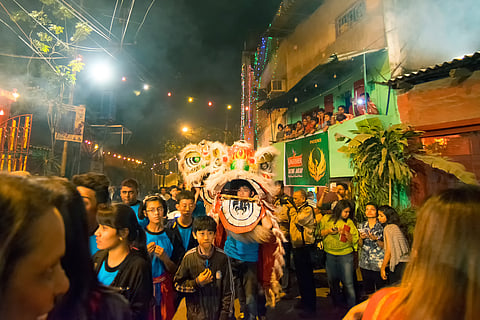
Celebration of Chinese New Year at Chinatown, Kolkata Rudra Narayan Mitra/Shutterstock
For a taste of local life, the bustling markets of New Market, Gariahat, and College Street offer everything from handwoven textiles to rare books. Even Kolkata's street food, with gems like puchka, kathi rolls, jhal muri, chop-cutlets, chow mein, and mishti, offers a window into its multicultural identity.
Getting There
Kolkata is easily accessible via Netaji Subhas Chandra Bose International Airport and Howrah Railway Station, which links the city to major destinations across India.
Kochi

Souvenir and spice shops in Fort Kochi Saiko3p/Shutterstock
Why It Shows India’s Culture
The cobbled streets, churches, and colonial buildings of Fort Kochi reflect a city shaped by centuries of cultural exchange. Kochi’s identity is closely tied to Indian maritime trade. As a key stop on the spice route, it attracted traders from across the world, leaving lasting impressions on its architecture, cuisine, and way of life. The city’s multicultural heritage makes it a living showcase of Kerala’s diverse cultural landscape.
Things to Do and See
Hang out at Fort Kochi Beach, home to the iconic Chinese fishing nets. Explore the antique shops and spice stalls in Jew Town. Visit the Paradesi Synagogue, its Belgian chandeliers and blue-and-white tiles evoke a bygone era. Princess Street is lined with European-style houses, cafés, boutiques, and street art. Spend a day exploring the exquisite Mattancherry Palace, which showcases exquisite Nalukettu architecture, airy courtyards, and murals depicting Hindu mythology. Fort Kochi’s historic churches are a must on your list. Café-hopping reveals local delicacies. Visit Kochi during the Kochi-Muziris Biennale, Asia’s largest contemporary art festival. Check out our guide here.
Advertisement

Chinese fishing nets in Fort Kochi Shinu Scaria/Wikimedia Commons
Getting There
Cochin International Airport and Ernakulam Junction are major transport hubs; from there, taxis or buses connect to places in the city.
Ahmedabad

Pol Area, Old Ahmedabad, Gujarat Gujarat Tourism
Why It Shows India’s Culture
Ahmedabad is a thriving commercial hub of western India. Tucked within its bustling streets, especially in the walled city, lies nearly 600 years of architectural heritage, which earned the city UNESCO World Heritage status. You will find many architectural gems, such as the intricately carved Adalaj Stepwell, the latticed Jama Masjidm and the 15th-century Dada Harir Stepwell. Sabarmati Ashram, where Mahatma Gandhi lived and worked, adds a layer of historical significance.
Things to Do and See
A heritage walk through Ahmedabad’s walled city is a must to explore its ancient treasures, which helped make the city India’s first UNESCO World Heritage Site in 2017. The Bhadra Citadel, the city’s historic walls and gates, mosques, tombs, and later Hindu and Jain temples reveal a rich architectural legacy dating back to Ahmed Shah’s founding of the city in 1411. The Sabarmati Ashram on the riverbank is an insight into Gandhi’s life and India’s independence movement. Ahmedabad is also famous for its handicrafts and textiles. Pick up Patola sarees with intricate geometric patterns, handwoven Bhujodi shawls, tie-dyed bandhini fabrics, and khadi, the fabric that became a symbol of the freedom struggle. Check here for our guide.
Advertisement
Getting There
The Sardar Vallabhbhai Patel International Airport handles both domestic and international flights. Ahmedabad Junction connects the city to major destinations across India.

Published At: