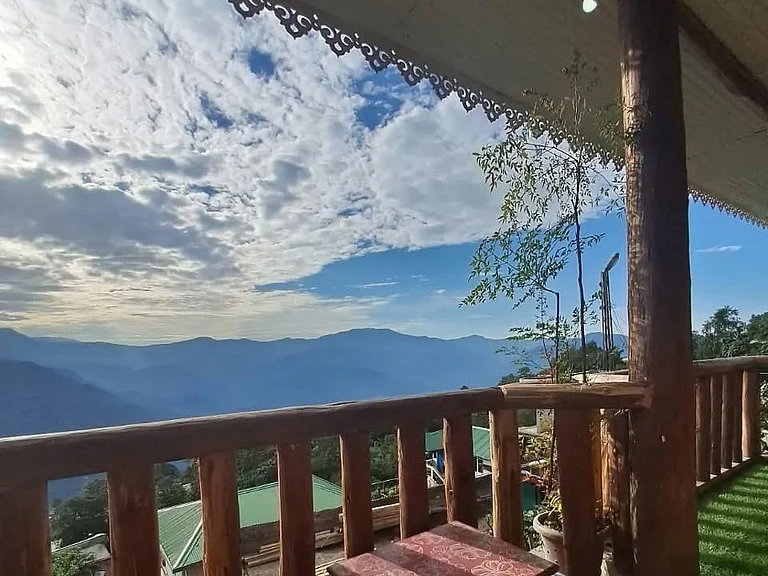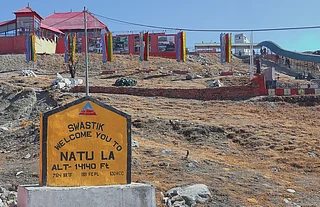


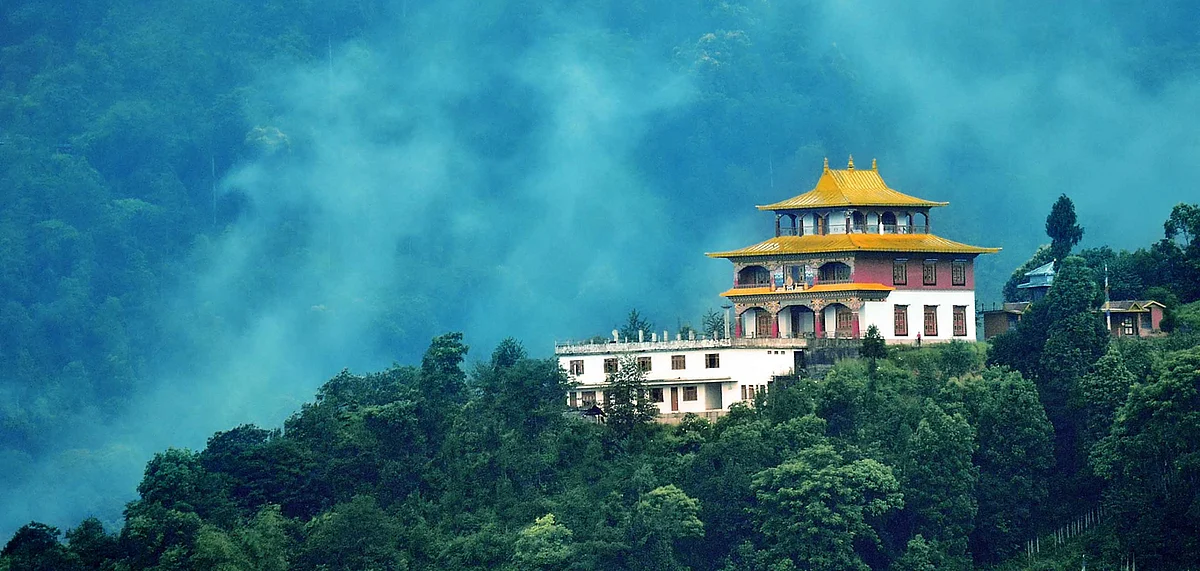
Sikkim, nestled in the Eastern Himalayas, is renowned for its serene landscapes, rich culture, and centuries-old Buddhist traditions. The state’s monasteries, ranging from the ancient Dubdi to the grand Rumtek, serve as spiritual hubs, preserving Tibetan Buddhist teachings, art, and rituals. Each monastery tells a story—of legendary lamas, sacred relics, and historic pilgrimages—while offering breathtaking views of snow-capped peaks, verdant valleys, and fluttering prayer flags. Visitors are drawn not only to their architectural splendour and vibrant festivals but also to the tranquil, contemplative atmosphere that makes Sikkim’s monastic heritage a living testament to faith, culture, and Himalayan spirituality.
Rumtek Monastery
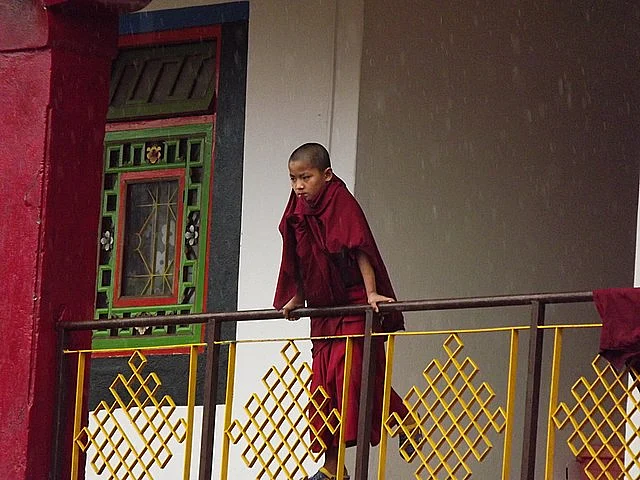

Sikkim’s largest monastery, Rumtek is the principal seat of the Karma Kagyu lineage of Tibetan Buddhism and a major centre of spiritual learning. Chosen by the 16th Karmapa for its auspicious surroundings—mountains, valleys, and rivers believed to enhance spiritual energy—it serves as the official residence of His Holiness the 17th Gyalwa Karmapa. After fleeing Tibet in 1959, the 16th Karmapa rebuilt Rumtek as a faithful replica of the original Karma Kagyu headquarters in Tsurpu, which was destroyed during the Chinese Cultural Revolution. Today, the monastery continues to function as a vital hub of Buddhist scholarship and meditation, attracting both devotees and visitors from around the world. Situated roughly 24 km from Gangtok, it offers a serene hilltop vantage point overlooking the capital.
Architectural & Cultural Heritage
Rumtek Monastery features traditional Tibetan architecture, highlighted by a four-storey main structure and an elaborately adorned entrance hall decorated with vibrant murals of guardian deities. The complex includes the main temple, a monastic college (Shedra), a retreat centre, a nuns’ hostel, and several other religious and community institutions. Its collection of sacred objects is considered one of the finest, housing some of the world’s rarest pieces of Buddhist religious art. Intricate woodwork, detailed murals, and the monastery’s overall design make it one of Sikkim’s most visually striking cultural sites.
Access is via a scenic drive from Gangtok, and while there is no entry fee, visitors must present a government-approved photo ID.
Pemayangtse Monastery
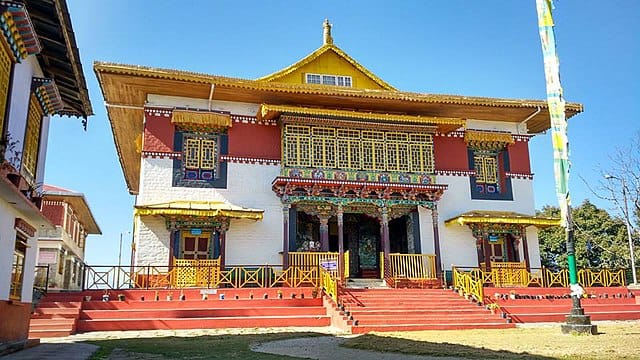
Pemayangtse Monastery, founded in 1705, is one of the oldest and most revered monastic institutions in Sikkim. Situated near Pelling in West Sikkim, its name translates to “Perfect Sublime Lotus,” reflecting its deep spiritual resonance. Belonging to the Nyingmapa sect of Mahayana Buddhism, it upholds the tradition of housing “pure monks” (ta-tshang) of pure Tibetan lineage. For over 300 years, the monastery has served as a vital centre of Buddhist practice, pilgrimage, and cultural identity. It remains an active monastic hub, home to a dedicated community of monks and the site of the annual Guru Drakmar Chham festival in February, during which lamas perform sacred ritual dances. Visitors are drawn to its calm spiritual ambiance and its commanding views of the Kanchenjunga range.
Architectural & Cultural Heritage
Pemayangtse is renowned for its intricate traditional architecture and artistic treasures. The main prayer hall features beautifully painted Tibetan motifs on its doors and windows, complemented by a rich collection of religious idols and murals. Its most extraordinary feature is the Zangdokpalri, a seven-tiered wooden sculpture housed on the top floor, meticulously crafted to depict Guru Rinpoche’s heavenly abode. This unique structure is considered one of Sikkim’s finest examples of monastic craftsmanship. The monastery also includes a small museum displaying religious artefacts, sculptures, and historical items, adding to its appeal for visitors interested in heritage and Buddhist art. Together, these elements make Pemayangtse Monastery a remarkable cultural landmark and a significant destination for those exploring Sikkim’s spiritual and artistic traditions.
Dubdi Monastery
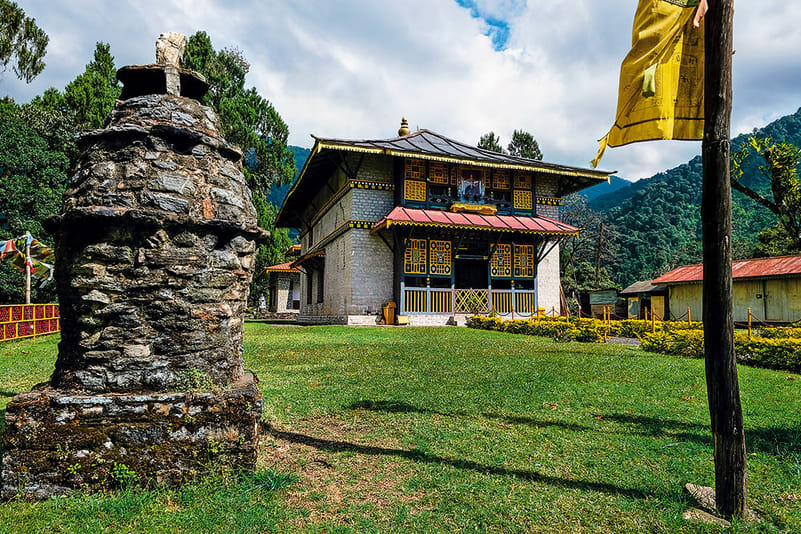
Dubdi Monastery, founded in 1701 near Yuksom in West Sikkim, is celebrated as the oldest monastery in the state and holds immense historical significance. Established shortly after the coronation of Sikkim’s first Chogyal, Phuntsog Namgyal, it marks an important chapter in the region’s Buddhist heritage. Belonging to the Nyingma sect of Tibetan Buddhism, the monastery reflects the ascetic ideals of its founder, Lhatsun Namkha Jigme, and its name—“Dubdi”, meaning “retreat” or “hermit’s cell”—captures this spirit of solitude and spiritual discipline. Surrounded by dense forest and reached only by an uphill trek, the monastery offers a serene, contemplative atmosphere and unobstructed views of the natural landscape, making it a meaningful destination for pilgrims and visitors alike.
Architectural & Cultural Heritage
Set atop a quiet hill above Yuksom, Dubdi Monastery is a modest yet striking double-storey structure characterised by traditional Nyingma design. Its interior is adorned with colourful paintings depicting various divinities, saints, and sacred symbols, enriching the monastery’s spiritual ambience. Central images include representations of Buddha, Padmasambhava, and Lhatsun Chhembo. The monastery lies about three kilometres from Yuksom town and can be accessed only by trekking for thirty minutes to an hour through lush greenery and peaceful woodland. This scenic ascent, combined with the monastery’s intimate scale and artistic heritage, makes Dubdi a distinctive and deeply atmospheric site within Sikkim’s monastic tradition.
Tashiding Monastery
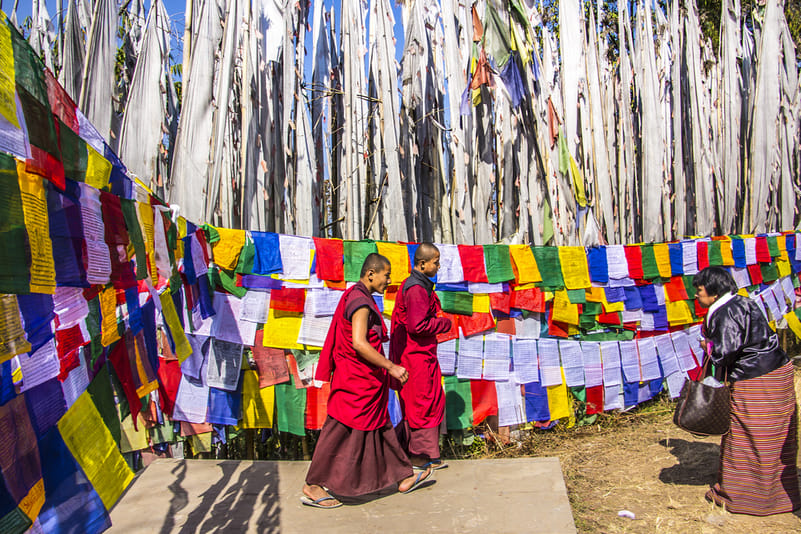
Tashiding Monastery, located about 27 kilometres from Gyalshing in West Sikkim, is regarded as one of the most sacred and holiest monasteries in the state. Belonging to the Nyingma sect of Tibetan Buddhism, it is steeped in captivating legends that highlight its spiritual prominence. According to tradition, the monastery was founded in 1641 CE by Ngadak Sempa Chempo Phunshok Rigzing, one of the three revered monks involved in the coronation of Sikkim’s first Chogyal. Its hilltop setting, surrounded by peaceful forests and far-reaching mountain views, contributes to an atmosphere of deep tranquillity and reverence. Tashiding continues to be a vital pilgrimage site, attracting devotees who come to seek blessings, meditate, and participate in its sacred rituals.
Architectural & Cultural Heritage
Tashiding Monastery is celebrated for its serene setting and classic Tibetan architectural style, marked by intricately carved wooden elements, vibrant prayer flags, and ancient walls adorned with religious artwork. The site’s traditional structures and carefully preserved artistic features tell stories of centuries-old devotion and craftsmanship. One of the monastery’s most significant cultural highlights is the Bumchu Festival, held annually on the 15th day of the first month of the Tibetan calendar. During this sacred ceremony, a holy vessel containing blessed water is opened, and its level is interpreted as an omen for the year ahead. Recognised as one of Sikkim’s holiest festivals, Bumchu draws large numbers of pilgrims and visitors, all seeking spiritual insight and blessings in the monastery’s profoundly peaceful surroundings.
Enchey Monastery
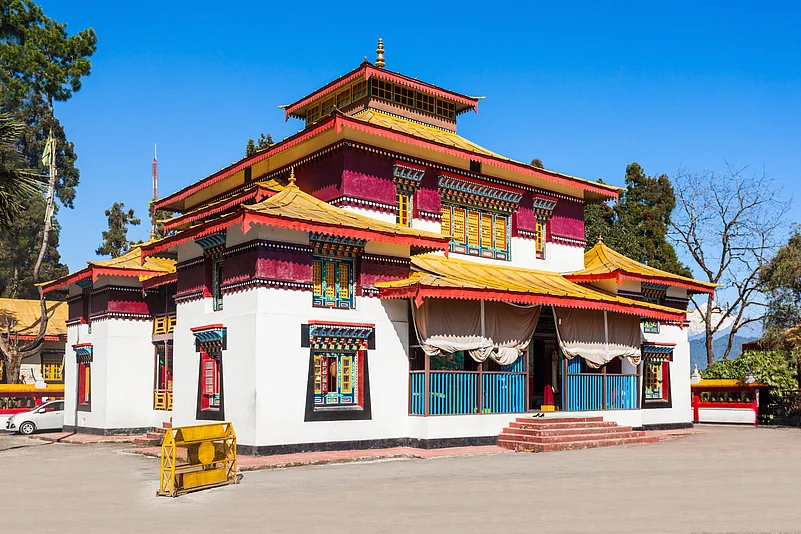
Enchey Monastery, perched on a peaceful hilltop near Gangtok, is a revered seat of the Nyingma order of Vajrayana Buddhism and a site steeped in folklore. Its name, meaning “solitary monastery,” reflects its origins as a hermitage founded on a spot blessed by the tantric master Lama Druptob Karpo, famed for his supernatural ability to fly. According to legend, he flew from Maenam Hill and sanctified this location around two centuries ago. Enchey is also associated with powerful protective spirits—Khangchendzonga, Yabdean and Mahakala—who are believed to reside within the monastery at the behest of Guru Padmasambhava. Worshippers visit to seek the blessings of these wish-granting deities, contributing to the monastery’s enduring reputation as a place of spiritual potency and peace. Colourful prayer flags fluttering in the mountain breeze enhance its tranquil atmosphere, while its library and historic religious objects further enrich the site’s sacred character.
Architectural & Cultural Heritage
Originally constructed in 1840 and rebuilt in 1909 under the patronage of Sikyong Tulku, the 10th King of Sikkim, Enchey Monastery showcases a distinctive design inspired by Chinese pagoda architecture. Its large prayer hall is adorned with striking murals depicting Mahayana Buddhist deities, the four guardian kings, and the protective figures of the cardinal directions. Elaborately carved pillars and a gleaming golden cupola add to its architectural charm. The monastery is also renowned for its extensive collection of masks, used during the vibrant Chaam dance festival, one of its most significant cultural events. During this annual celebration, monks don elaborate costumes and dramatic masks to perform sacred dances intended to dispel negativity, exorcise evil spirits, and usher in good fortune. Enchey’s blend of artistic heritage, ritual performance and age-old legends makes it one of Sikkim’s most captivating monastic landmarks.
Phodong Monastery
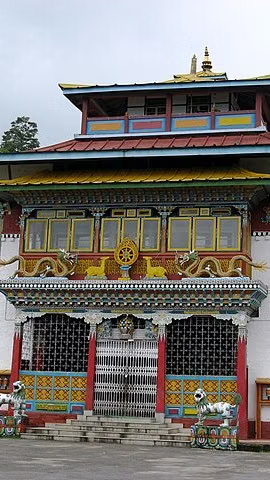
Phodong Monastery, situated in North Sikkim about 35 kilometres from Gangtok, is one of the six most important Buddhist monasteries in the state and holds deep significance for the Karma Kagyu sect. Originally constructed in the early 18th century under the patronage of Chogyal Gyurmed Namgyal, it remains an active centre of religious life, home to around 260 monks who continue to uphold its spiritual traditions. Its elevated location at roughly 4,500 feet enhances its serene atmosphere, making it a cherished pilgrimage site for devotees and a peaceful retreat for visitors seeking quiet reflection amid the mountains.
Architectural & Cultural Heritage
Known for its elegant Tibetan-style design, Phodong Monastery features stone and wooden structures, deep-red roofs, and intricate decorative elements that highlight the region’s artistic heritage. The interior walls are adorned with vivid murals, frescoes, and paintings depicting Buddhist deities, religious narratives, and ancient scriptures, making the monastery an important repository of traditional art. Its high vantage point provides sweeping views of lush hillsides and deep valleys, adding to the site’s tranquil beauty. Each year, Phodong hosts its vibrant Phodong Festival on the 28th and 29th days of the 10th month of the Tibetan calendar, where monks perform the sacred Chaam Dance. This ritual, featuring elaborate costumes and masks, is a major cultural highlight and draws pilgrims and visitors from across Sikkim.
Ralang Monastery
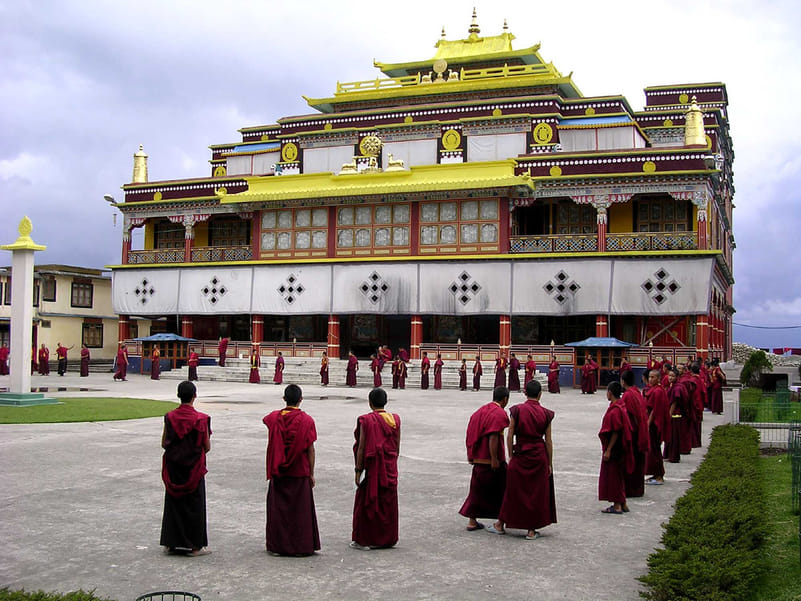
Ralang Monastery, situated near Ravangla in South Sikkim, is one of the most significant monasteries of the Kagyup (Karma Kagyu) sect and is revered for its powerful spiritual lineage and legendary origins. Built in 1768, it was constructed to commemorate the successful pilgrimage of the 4th Chogyal of Sikkim to Tibet. According to local tradition, the monastery’s exact location was divinely chosen: during a blessing ceremony at Tsurphu Monastery, the 9th Karmapa tossed sacred grains into the air, and the site where they fell became the place where Ralang Monastery would be established. This legend gives the monastery an aura of profound sanctity, making it a deeply respected pilgrimage destination surrounded by breathtaking mountain scenery.
Architectural & Cultural Heritage
Ralang Monastery is renowned for its exquisite traditional Tibetan architecture, featuring a classic palette of white, yellow and red, along with fluttering prayer flags and beautifully painted murals. Its extensive collection of thangkas and religious paintings reflects the richness of Buddhist artistic heritage. The complex consists of two monasteries—the original structure, located about three kilometres from the newer and much larger monastery completed in 1995. Ralang is also a vibrant cultural hub, hosting major annual festivals such as Pang Lhabsol, dedicated to the worship of Mount Kanchenjunga, and the dramatic Mahakala dance, performed by monks in elaborate masks and costumes. These celebrations draw both pilgrims and travellers, offering a vivid glimpse into Sikkim’s living spiritual traditions.
FAQs
Which are the most important monasteries to visit in Sikkim?
Sikkim is home to several historic and sacred monasteries, including Rumtek, Pemayangtse, Dubdi, Tashiding, Enchey, Phodong, and Ralang. Each is significant for its spiritual heritage, Tibetan architecture, and vibrant festivals.
What is the best time to visit Sikkim monasteries?
The ideal period is from March to June and September to November, when the weather is clear and pleasant, offering stunning Himalayan views and easier access to hilltop monasteries.
Are there any important festivals held at Sikkim monasteries?
Major festivals include the Bumchu at Tashiding, Chaam dances at Enchey, Phodong, and Ralang, and Pang Lhabsol at Ralang. These events feature ritual dances, masks, and ceremonies central to Sikkimese Buddhist culture.
Do visitors need permits to enter Sikkim monasteries?
Most monasteries are open to tourists, some ask for a government-issued photo ID, and entry is usually free. Certain monasteries may have guidelines or restricted areas for non-monastic visitors.
What makes Sikkim monasteries unique compared to other Himalayan monasteries?
Sikkim monasteries are notable for their blend of Nyingma and Kagyu traditions, rich Tibetan-style architecture, ancient murals and thangkas, scenic hilltop locations, and living cultural festivals that continue centuries-old spiritual practices.