On African World Heritage Day yesterday, UNESCO pointed to a rare conservation success: three African World Heritage sites have been taken off the “in danger” list after years of decline.
The recovery follows long-running efforts on the ground involving local authorities, communities, and international partners. These sites had faced sustained pressure from illegal logging, poaching, and damage linked to conflict. UNESCO said the improvement reflects years of steady conservation work finally starting to pay off.
Three Sites Marking Remarkable Recovery


These sites have shown notable recovery after long-standing pressures from illegal logging, poaching, and armed conflict.
Rainforests of the Atsinanana (Madagascar)
Status: Removed from Danger List (July 2025)
Originally added to the list in 2010 due to widespread illegal logging of rosewood and ebony, alongside poaching of endangered lemurs and agricultural encroachment.
Recovery has been driven by tighter enforcement and international cooperation, with illegal trade in precious woods largely halted through satellite monitoring and stronger policing. Conservation efforts have helped restore over 63 per cent of previously lost forest cover, while local communities have been placed at the centre of management, with more than 550 people trained and employed in ecotourism and sustainable agriculture. Lemur poaching has also fallen to its lowest level in over a decade.
The site is a serial property of six national parks and is crucial to Madagascar’s biodiversity, supporting 78 of the country’s 123 non-flying mammal species.

Abu Mena (Egypt)
Status: Removed from Danger List (July 2025)
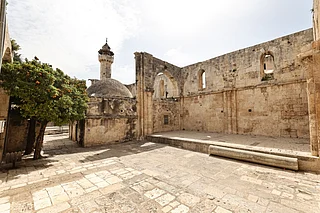
Listed in 2001 after a rising water table—linked to irrigation practices—began destabilising the foundations of its early Christian structures.
A long-term engineering programme successfully reduced groundwater levels and stabilised fragile remains, including the tomb church, basilicas, and surrounding structures. A new five-year conservation and monitoring plan has also been introduced to ensure continued protection.
Abu Mena, a 4th-century pilgrimage site built around the tomb of Saint Menas of Alexandria, remains an important window into Early Christian history.
Old Town of Ghadamès (Libya)
Status: Removed from Danger List (July 2025)
Added in 2016 following damage from armed conflict, wildfires, and heavy rainfall.
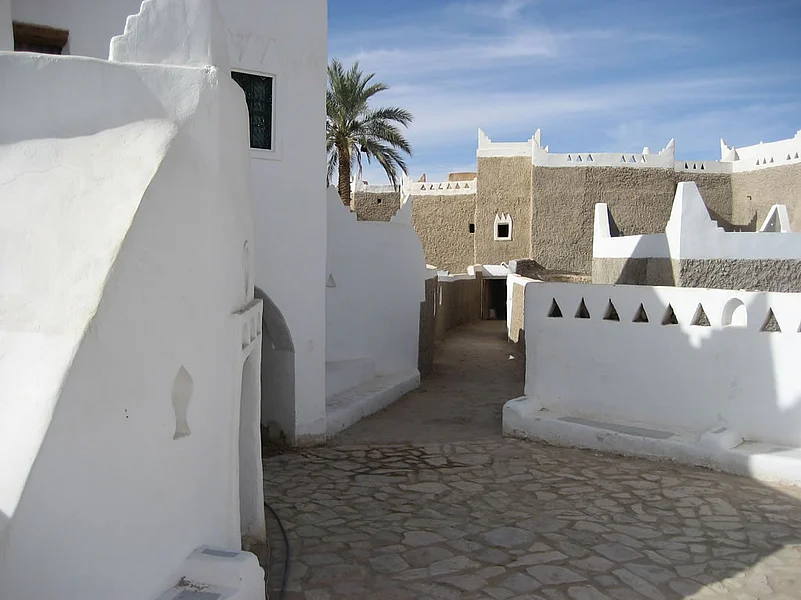
Extensive rehabilitation has since restored traditional whitewashed homes, alleyways, and public infrastructure. The recovery has been led by local authorities working with international partners, including the ALIPH Foundation, using traditional building techniques where possible. A new risk management and emergency response plan has also been put in place.
Known as the “Pearl of the Desert,” Ghadamès is recognised for its distinctive pre-Saharan urban design and traditional architecture.
FAQs
What is UNESCO’s “in danger” list?
A list of World Heritage Sites facing serious threats such as conflict, environmental damage, or neglect.
Why were these sites listed as in danger?
Madagascar’s rainforests faced illegal logging and poaching, Abu Mena was damaged by rising groundwater, and Ghadamès was affected by conflict and extreme weather.
Why were they removed from the list?
Because long-term conservation and restoration efforts led to measurable recovery at each site.
What helped Madagascar’s rainforests recover?
Stronger enforcement against illegal logging, satellite monitoring, and community-led conservation efforts.
What changed at Abu Mena in Egypt?
Groundwater levels were lowered, stabilising the site’s fragile ancient structures.
What was done in Ghadamès, Libya?
Damaged buildings were restored and new protection and risk management systems were introduced.
_-_img_01.jpg?auto=format%2Ccompress&fit=max&format=webp&w=768&dpr=1.0)