Earth is facing an escalating loss of wildlife, with an increasing number of plants and animals at risk of disappearing altogether. Research by conservation organisations such as the IUCN shows that some of the countries most affected include Mexico, Indonesia, India, Brazil, and others.
According to reports, Mexico often tops the list for overall endangered species, particularly amphibians and reptiles, while Indonesia leads in threatened mammals, and Brazil in birds. Across Asia, high population density and habitat loss amplify risks. Scientists warn that the loss of these species not only disrupts ecosystems but also threatens human livelihoods and the global environment. Here is a look at some of the countries most impacted by habitat destruction, human activity, and climate-driven threats.
Mexico
Mexico, one of the world’s megadiverse countries, hosts a range of ecosystems, from deserts and wetlands to tropical forests. However, it faces a serious biodiversity crisis, ranking high in threatened species due to rapid urbanisation, deforestation, pollution, and illegal wildlife trade. Endemic amphibians, reptiles, and mammals such as vaquita porpoises are especially vulnerable. Reports state that habitat loss and weak enforcement of conservation laws are worsening the situation.


Impacted Species
Amphibians, reptiles, and mammals face severe declines. Iconic species like the Mexican gray wolf, ocelot, and manatee are critically endangered. Over 1,300 species in Mexico are listed as threatened by the IUCN, highlighting the urgent need for strengthened conservation efforts.
Indonesia
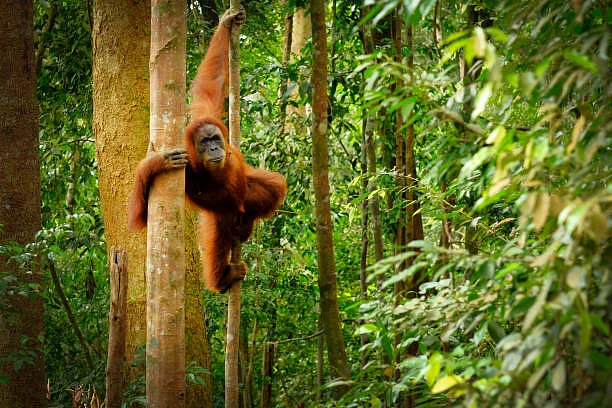
Indonesia, home to some of the world’s richest biodiversity, faces a severe conservation crisis. Rampant deforestation for palm oil plantations, logging, and fires is driving species such as orangutans and Sumatran tigers towards extinction. Add to that factors like illegal wildlife trade, habitat fragmentation, and human-wildlife conflicts, and Indonesia becomes a global hotspot for threatened mammals and birds despite ongoing conservation efforts.
Impacted Groups
In Indonesia, orangutans, Sumatran rhinos, tigers, and Birds of Paradise are among endangered species. Despite strategies like the Indonesian Biodiversity Strategy and Action Plan, enforcement gaps are limiting progress.
Brazil
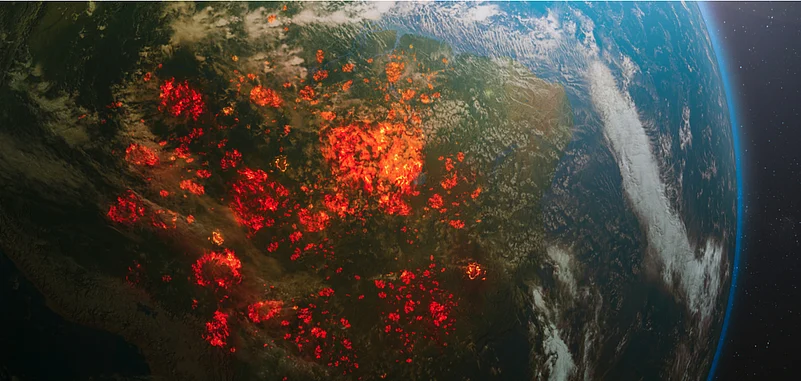
Brazil too is counted among one of the world’s most mega-biodiverse nations. The country's forests, savannas, wetlands, and rivers host an amazing variety of species. However, despite this wealth of life, the country faces a serious biodiversity crisis, with thousands of plants and animals threatened by habitat loss, deforestation, and human pressures, making Brazil a critical global hotspot for conservation concern.
Impacted Groups
Brazil is among a few countries that are home to some of the highest numbers of plants, reptiles, birds, and freshwater fish species. With thousands of species listed as threatened, urgent conservation efforts are required to protect its unique ecosystems and prevent further extinctions, according to sources like the UN Environment Programme.
India
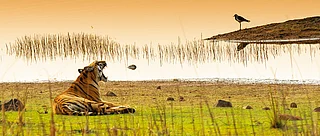
India is another country that is home to a huge variety of species, thanks to the rich wealth of forests, mountains, wetlands, and coastal ecosystems. However, the country faces a significant biodiversity crisis, with hundreds of animal and bird species and thousands of plants classified as vulnerable, endangered, or critically endangered by organisations like the IUCN. Several factors, like pressures from human activity and environmental change, are placing immense strain on ecosystems. As a result, India is now home to many endangered species, including iconic animals such as the Bengal Tiger, Asian Elephant, Snow Leopard, and the One-Horned Rhinoceros.

Impacted Groups
In the past decade or so, India has seen species such as the Bengal tiger, Asiatic elephant, one-horned rhinoceros, and Asiatic lion tagged as high risk, alongside numerous endemic birds, reptiles like the Indian gharial, amphibians, and freshwater fish. The country's network of national parks, sanctuaries, and targeted projects—including Project Tiger and Project Elephant—may provide crucial protection, but better conservation efforts are essential to safeguard the diversity of species.
China
China also ranks among the world’s most megadiverse nations, but faces a significant conservation challenge. Reports say that over 3,000 plants and many vertebrates are now listed as vulnerable, endangered, or critically endangered. That is because China’s rich ecosystems—from temperate forests to high-altitude mountains—are under growing pressure from human activity and environmental change.
Impacted Groups
Several species in China such as the Giant Panda, Red Panda, Snow Leopard, and Yangtze River Finless Porpoise are increasingly threatened. Mammals like the Amur Leopard, Golden Snub-nosed Monkey, and Chinese Pangolin, reptiles such as the Chinese Alligator, and thousands of endemic plant species are also severely affected. Despite strong conservation programmes, many species and a large portion of plants remain threatened, highlighting the urgency for better management of human activities that degrade natural habitats.
Madagascar
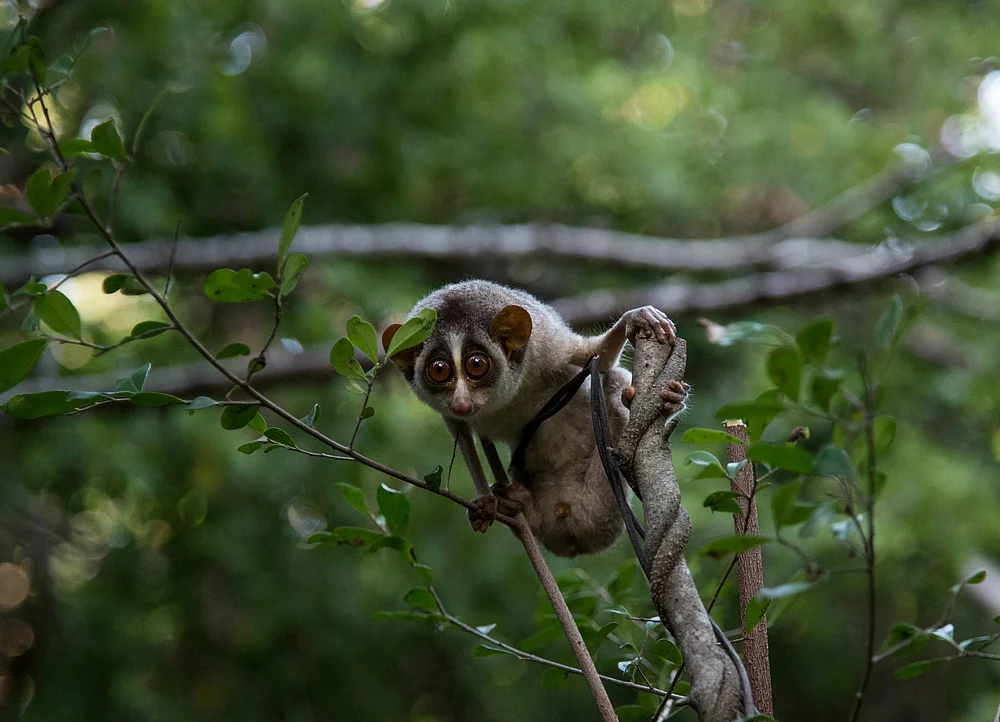
Madagascar hosts incredibly unique species, primarily due to its long isolation, with many of its wildlife found nowhere else. According to the World Wildlife Fund, more than 11,000 endemic plant species, including seven species of baobab tree and all lemur species, share Madagascar with a wide variety of mammals, reptiles, fish, amphibians, and birds. WWF reports that the country’s interior has several critically threatened species, including the smallest chameleon in the world, Brookesia micra, and Verreaux’s sifaka, a lemur found in the southwest forests. However, the island faces a severe conservation crisis, with many lemur species critically endangered. This is mainly due to human activity resulting in massive habitat loss.
Impacted Groups
Madagascar faces a severe biodiversity crisis, with high percentages of its unique species, especially lemurs, palms, and freshwater life, listed as threatened on the IUCN Red List due to rampant deforestation, habitat loss, illegal logging, and hunting. The reports state that around 98% of lemur species are threatened, 83% of palms, and 43% of freshwater species are at risk. As in many countries, Madagascar too requires integrated conservation strategies which will restore habitats and protect them, and involve local community.
FAQs
Why do some countries have more threatened species than others?
Countries with high biodiversity—like Brazil, India, Mexico, and China—naturally host more species. Human pressures such as development projects, mining, poaching, etc, result in habitat loss, and these ecosystems see a high number of species at risk.
What is the main cause of species becoming threatened globally?
The main factor is habitat loss and degradation, caused by deforestation, agriculture, urbanisation, mining, and wetland destruction. These activities reduce living space and resources for wildlife, pushing many species toward extinction.
How do human population growth and development impact biodiversity?
Rapid population growth, increased consumption, and intensive development increase pressure on natural resources, leading to habitat destruction, pollution, and overexploitation, which threaten wildlife in both developing and wealthy countries.