

Mirzapur. Wasseypur. Puri. Punjab. Names that once evoked carpets, temples, and mustard fields now conjure gunfire, drugs, and underworld feuds. In India’s age of binge-watching, the screen has become a powerful storyteller and, at times, a ruthless judge.
What happens when your hometown becomes the villain of its own cinematic story?
The Fame Of Infamy
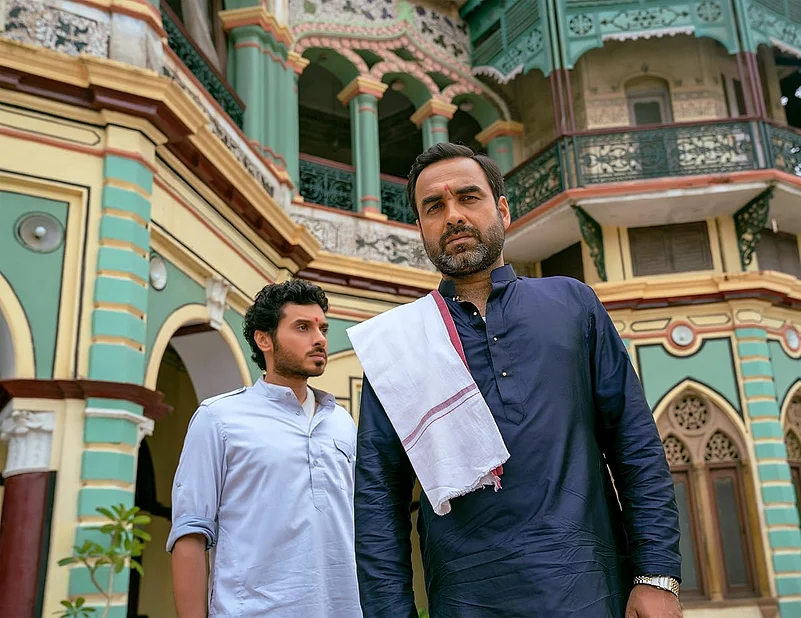

It started innocently enough with filmmakers searching for authenticity. A name like Mirzapur sounds raw, real, and rooted. But what was once just a dusty district in eastern Uttar Pradesh is now shorthand for gang wars and political bloodlust.
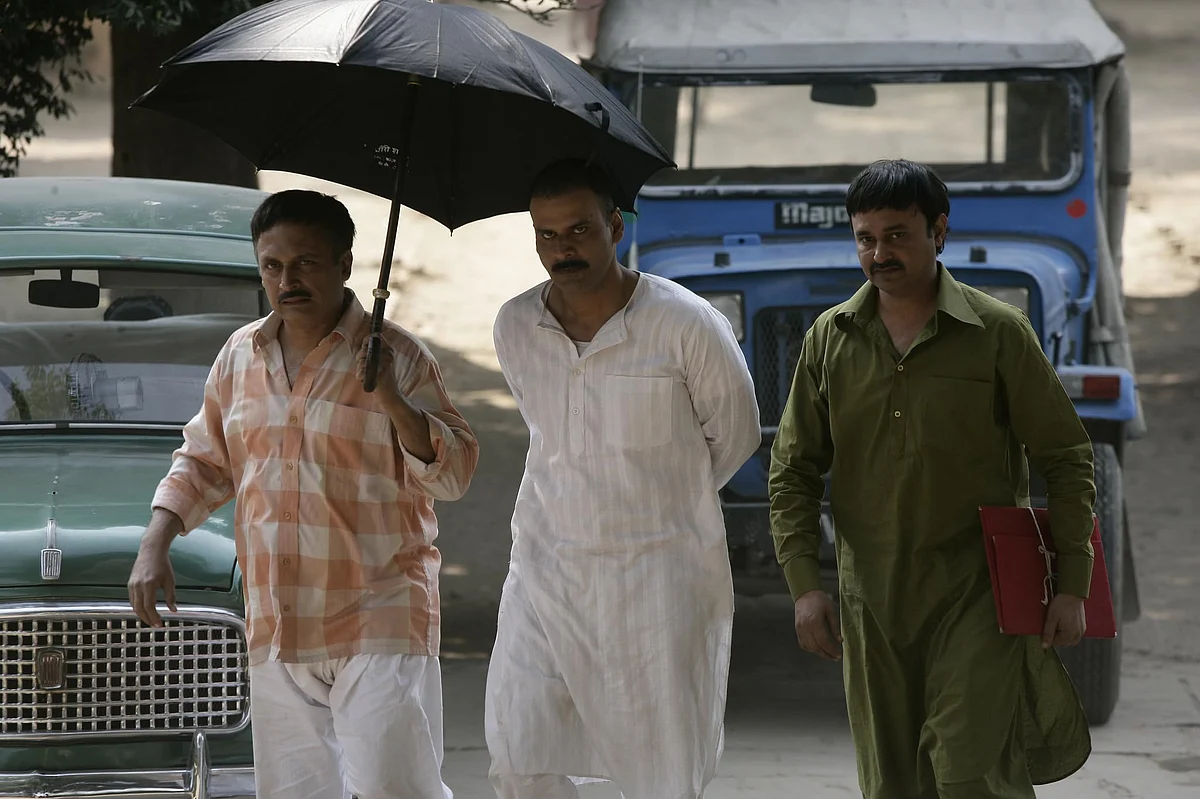
Likewise, 'Gangs of Wasseypur' (2012) made a small Jharkhand neighborhood a cult phenomenon but for all the wrong reasons. 'Udta Punjab' (2016) transformed an entire state’s identity into a cautionary tale of addiction and decay. And in 2022, 'Gangs of Puri' (2022) set in the temple town known for its sacred sea breeze and Jagannath’s chariots recast holiness into a haze of bullets and revenge. The hit web series 'Mirzapur' (2018) transformed a quiet Uttar Pradesh district into the shorthand for lawlessness. 'Gangs of Wasseypur' and 'Raktanchal' (2020) did the same for Jharkhand and Purvanchal, imprinting images of blood-soaked revenge and mafia dominance. 'Udta Punjab' reduced a state known for its agriculture, music, and heritage to a drug-plagued wasteland, while 'Gangs of Puri,' a recent Odia series, recasts one of India’s holiest cities into a violent battleground of rival gangs.
Each of these stories may have elements of truth but truth, when exaggerated or isolated, becomes stigma. And stigma is hard to shake off.
The Forgotten Beauty Behind The Violence
What makes these cinematic portrayals even more tragic is how far they are from the full truth. Mirzapur, long before it became synonymous with gang wars, was known for its exquisite handwoven carpets and tranquil ghats along the Ganga. Wasseypur and the Purvanchal belt carry deep histories of coal mining, music, and local crafts that never make it to the screen. Punjab’s vibrant countryside still bursts with colour during harvest festivals and echoes with folk rhythms that have inspired generations of artists. And Puri, India’s spiritual coastline remains a rare blend of faith, art, and ecology, where the rhythm of temple bells meets the roar of the sea. These destinations are not stories of crime but of culture, resilience, and creativity. Yet, cinema’s selective storytelling has eclipsed their enormous tourism potential, overshadowing the possibility of narrative-led revival that could redefine them on the global map.
The Human Cost Of A Narrative
When fictional crime crosses borders and seeps into real-world perception, entire destinations pay the price.
Tourism thrives on perception. A single negative storyline can ripple across decades, shaping how potential travellers, investors, and even citizens see a place. Mirzapur, for instance, is now more likely to evoke images of gun-toting gangsters than carpet weavers or river ghats. In Delhi’s case, 'Delhi Crime' (2019), an impeccably crafted series unintentionally cemented the city’s label as the “rape capital,” overshadowing its cosmopolitan and cultural richness.
The real loss, however, is not cinematic it’s human. When a place is framed as violent or unsafe, its residents become reluctant ambassadors of a misunderstood homeland. Young people from Mirzapur or Wasseypur often joke about their “mafia” image in college introductions. Puri’s locals now find tourists asking about its “underworld,” not its sea breeze.
Behind the cinematic allure lie invisible victims, the communities who live under the shadow of these narratives. The residents of Mirzapur or Puri are often met with curiosity laced with suspicion. Locals from Punjab’s hinterlands are stereotyped as either addicts or traffickers. The lens of fiction begins to dictate real-world prejudice.
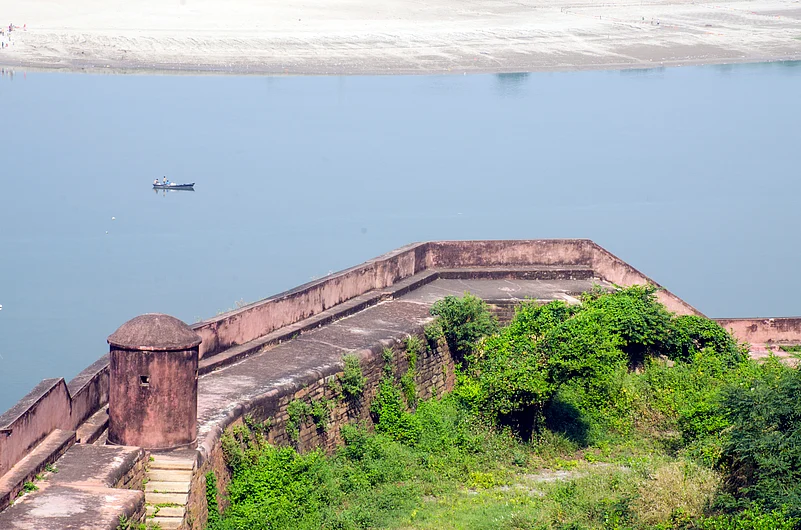
This tension isn’t new. Mirzapur, too, is a telling example of how reel narratives can overpower real geographies. Thanks to the hit series that borrowed its name, Mirzapur is now more commonly associated with gun-toting gangsters than with the stunning destinations that actually make up the district’s character. The sacred calm of Vindhyanchal Temple, the imposing silhouettes of Chunar Fort, the thick forests, river ghats, and gentle waterfalls all of it has been pushed to the margins of public awareness. The irony is sharp: a place rich in heritage and nature has found national fame for everything it is not.
The damage is slow and structural. Tourism operators report that destinations associated with criminal imagery often require double the marketing effort to convince travellers of safety and authenticity. Brand rehabilitation becomes a long, expensive journey often at odds with a film’s global reach that immortalises the negative.
These perceptions may seem trivial but they seep deep into conversations, travel choices, and even investment decisions. A city becomes its stereotype.
Censorship Or Responsibility?
This leads to a provocative question: Should destinations or tourism authorities petition the Central Board of Film Certification (CBFC) to restrict the use of real place names in films that portray a region negatively even if the storyline is factually inspired?
The argument for intervention is rooted in responsibility. Tourism is among the world’s largest employment generators. When a film alters the global image of a destination, it doesn’t just affect pride it affects livelihoods. A name carries economic value. Protecting it from misuse could be viewed as safeguarding cultural and economic heritage.
But there’s a counterpoint: cinema must stay free. Truth can be uncomfortable and often, these films mirror harsh realities that demand attention, not erasure. Censoring place names could mean sanitising social commentary.
So where’s the middle ground?
Rewriting The Reel-Real Balance
The solution may lie in responsible storytelling, not regulation. Filmmakers could include clear disclaimers stating that the narrative, though inspired by real settings, doesn’t define the place or its people. Tourism boards could partner with producers, offering incentives to show the fuller, more balanced face of a destination.
Imagine if 'Mirzapur' followed up its gritty series with a documentary on the region’s rich weaving traditions. Or if 'Udta Punjab' had been accompanied by a campaign showing the state’s art, music, and resilience. Stories can wound, but they can also heal if told completely.
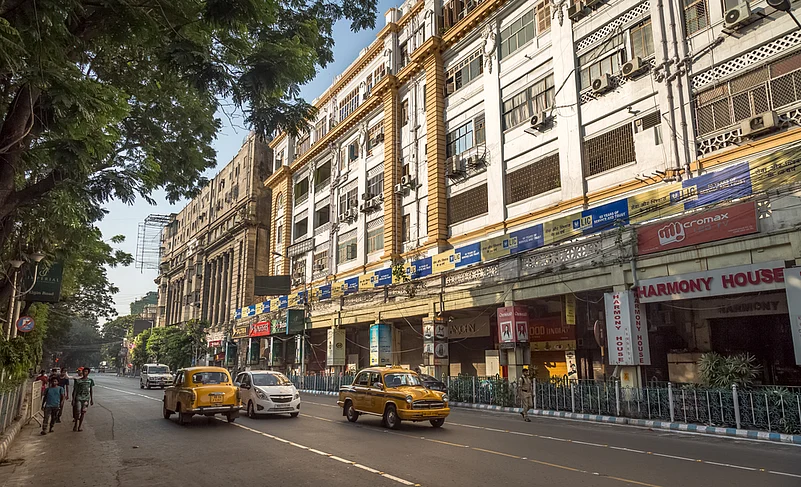
Vivek Agnihotri’s 'The Bengal Files' (2025) has triggered a fresh storm in West Bengal, long before audiences even had a chance to watch it. Though the film attempts to revisit the trauma of the 1946 Calcutta riots, theatres across Kolkata reportedly declined to screen it despite its nationwide release. The controversy has split opinion; supporters call it an unflinching account of a dark chapter, while critics argue it compresses Bengal’s layered social history into a narrow, combustible narrative. In a state celebrated for its literature, intellect, and cultural resilience, many worry that yet another cinematic spotlight on violence risks drowning out the broader story of who Bengalis really are. And beneath the political friction lies a quieter, unresolved question: how much should a movie get to define the identity of an entire region?
Beyond The Screen
Every destination deserves the right to tell its own story beyond the lens of crime or chaos. As India redefines its identity through tourism, it’s time to ask: Are our screens creating curiosity or closing doors?
A film may run for two hours, but its impact can last a generation. For Mirzapur, Punjab, Purvanchal, or Puri, the script is still being written. The question is who will get to write the next chapter: the filmmaker, or the destination itself?
As India positions itself as a global tourism powerhouse, destination branding cannot afford to be left at the mercy of entertainment algorithms. Mirzapur and Udta Punjab may have found global audiences, but at what cost to local perception? The story of a place should be more than its darkest hour.
The deeper cost of such portrayals is often invisible but profound. When a city or town becomes shorthand for criminality, the people who live there carry the weight of that fiction in their daily lives. Youngsters from Mirzapur or Wasseypur often find themselves fielding jokes or suspicion, forced to distance their reality from a story they never authored. Pride softens into discomfort, and community morale takes a quiet but steady hit. tourism operators struggle harder to convince outsiders that these destinations are safe, vibrant, and worthy of exploration. Opportunities thin out. The shadow of a single storyline stretches far beyond the screen, altering how a place is perceived and, eventually, how it begins to perceive itself.
In a media landscape driven by virality, responsibility must coexist with creativity. Because when fiction brands a city forever, it’s not just the reel that rolls it’s the real that suffers. Cinema has the power to immortalise but sometimes, it immortalises only the darkest chapter. And when that happens, entire communities are left to fight for a more complete version of their truth.
In a country of a thousand untold stories, it’s time our destinations reclaimed the right to be seen beyond the script.
(Ananta Prasad is a development journalist turned destination development consultant and strategist, specialising in destination-centric responsible tourism.)
FAQs
1. How do films and web series influence the perception of real places?
Films and series shape public imagination at scale. When crime or violence becomes the dominant narrative, audiences often begin associating entire destinations with those fictionalised portrayals, eclipsing cultural, historical, and social realities.
2. Has tourism been affected by shows like Mirzapur or Udta Punjab?
Yes. Destinations linked to violent or criminal imagery often face reputational damage, requiring greater marketing effort to counter safety concerns and rebuild trust among travellers, investors, and even domestic tourists.
3. Are these cinematic portrayals completely fictional or based on reality?
Most are inspired by fragments of truth, but selective storytelling amplifies extremes. When complex regions are reduced to a single narrative, truth turns into stigma rather than representation.
4. Should filmmakers be restricted from using real place names in negative stories?
The debate is ongoing. While some argue for protecting destination identity and livelihoods, others stress creative freedom. Many experts suggest responsible storytelling and disclaimers as a balanced alternative to censorship.
5. Can destinations recover from negative cinematic branding?
Yes, but recovery is slow. Strategic storytelling, cultural campaigns, and collaborations with filmmakers and tourism boards can help reclaim a fuller, more authentic narrative over time.