

There is something about waking up at the edge of a forest that instantly slows time down. The air feels different, mornings begin with birdsong instead of traffic, and the day unfolds around the rhythm of nature rather than notifications. Hospitality brands across India are increasingly leaning into this sentiment, and the latest to join the growing experiential travel wave is Sayaji Hotels with the launch of The Forest Chapter by Sayaji in Sasan Gir, Gujarat.
Positioned near Gir National Park, the new boutique retreat marks the debut of Sayaji Hotels’ experiential hospitality sub-brand, The Forest Chapter, a concept designed around immersive, nature-led stays in some of India’s most ecologically rich destinations. The move signals a notable shift for the hotel group, which has traditionally been associated with urban and business hospitality formats, into a segment now being driven by travellers seeking slower, more meaningful escapes.
At a time when holidays are increasingly being shaped by experiences rather than itineraries, destinations like Sasan Gir are finding renewed relevance. Gir, best known as the last natural habitat of the Asiatic lion, has long attracted wildlife enthusiasts, but the region is now evolving into a more layered leisure destination, where safari experiences coexist with wellness, local culture, food, and immersive stays rooted in the landscape itself.
Forest First Stays
The Forest Chapter enters this space with a 25-key property made up of Premium Cottages, Superior Cottages, and Suite Villas, each designed to blend rustic aesthetics with contemporary comforts. The architecture and interiors lean into earthy textures, open layouts, and nature-inspired elements that mirror the surrounding wilderness without overcomplicating the experience. Instead of hyper-luxury, the emphasis appears to be on creating a stay that feels connected to the environment.
The property’s setting near Gir National Park is central to its positioning. Unlike several wildlife reserves in India that remain closed during monsoon months, Gir offers safari access for most of the year, giving the destination a longer travel window and making it attractive beyond the traditional wildlife tourism season. For hospitality brands, this also creates the opportunity to build year-round experiential itineraries around nature, local communities, and regional culture.
Accessibility has also played a role in the destination’s growing appeal. The resort is connected through Rajkot International Airport and Junagadh Railway Station, making it relatively convenient for travellers arriving from major Indian cities. Over the last few years, improved connectivity to wildlife and nature destinations has significantly contributed to the rise of experiential tourism across the country, particularly among urban travellers looking for shorter but more immersive breaks.


Beyond The Safari
While wildlife remains the region’s biggest draw, The Forest Chapter appears to be positioning itself as more than just a safari stay. The resort incorporates curated experiences that aim to bring guests closer to the biodiversity and culture of the Gir region through locally inspired activities and outdoor engagement. The focus is increasingly on creating emotional connections with a destination rather than limiting the experience to sightseeing alone.
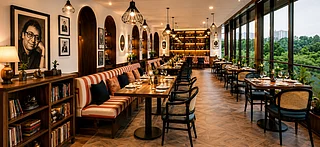
Dining, too, has been designed as part of the overall experience. Ember & Leaf, the resort’s multi-cuisine restaurant, combines regional influences with broader global flavours, while a rooftop café adds an open-air element that ties into the property’s nature-led positioning. The resort also includes landscaped lawns and outdoor spaces that can host intimate celebrations, gatherings, and social events, suggesting an attempt to diversify beyond leisure tourism into destination events and small-format celebrations.
This broader hospitality approach reflects a growing trend across India’s travel industry, where resorts in wildlife and remote destinations are increasingly being built around storytelling, locality, and personalised experiences rather than standardised luxury templates. Travellers today are looking for places that feel rooted in their surroundings, whether through food, architecture, activities, or interactions with local culture.
Experiential Expansion

For Sayaji Hotels, the launch of The Forest Chapter is also a strategic expansion into a rapidly growing segment of the travel economy. Experiential hospitality has become one of the strongest drivers of domestic tourism in recent years, fuelled by post-pandemic travel behaviour that prioritises open spaces, wellness, slower travel, and meaningful engagement with destinations.
Across India, hospitality brands are steadily moving beyond metropolitan hotels and conventional resort models to explore forest retreats, eco-lodges, wellness hideaways, and culturally immersive properties. The Forest Chapter appears to be Sayaji’s response to that shift, beginning with Sasan Gir but potentially laying the foundation for future projects in other nature-focused destinations across the country.
In many ways, the launch also reflects how Indian travellers are redefining luxury itself. Increasingly, it is less about excess and more about access, access to nature, silence, authenticity, local stories, and experiences that feel personal. In a landscape where travellers are seeking more intentional escapes, forest stays like these are no longer niche. They are becoming the future of leisure travel in India.
FAQs
1. What is The Forest Chapter by Sayaji?
It is Sayaji Hotels’ new experiential hospitality sub-brand focused on nature-led stays and immersive travel experiences.
2. Where is the property located?
The resort is located near Gir National Park in Sasan Gir, Gujarat.
3. What accommodation options are available?
The property offers Premium Cottages, Superior Cottages, and Suite Villas.
4. What experiences does the retreat offer?
Guests can enjoy wildlife experiences, nature-based activities, local cultural interactions, and curated outdoor experiences.
5. How can travellers reach the property?
The retreat is accessible via Rajkot International Airport and Junagadh Railway Station.