


The disconnection trend, known as unplugging or digital detox, is a growing movement reducing screen time to prioritise real-world life and wellbeing. By 2026,, it will become a cultural necessity and a status symbol of mental freedom, helping people escape doomscrolling and online pressure. Driven by digital fatigue, anxiety, loneliness, and stress, it reflects a need to reclaim attention. In this spirit, a number of remote places around the world offer the perfect escape from constant connectivity.
Faroe Islands, Denmark
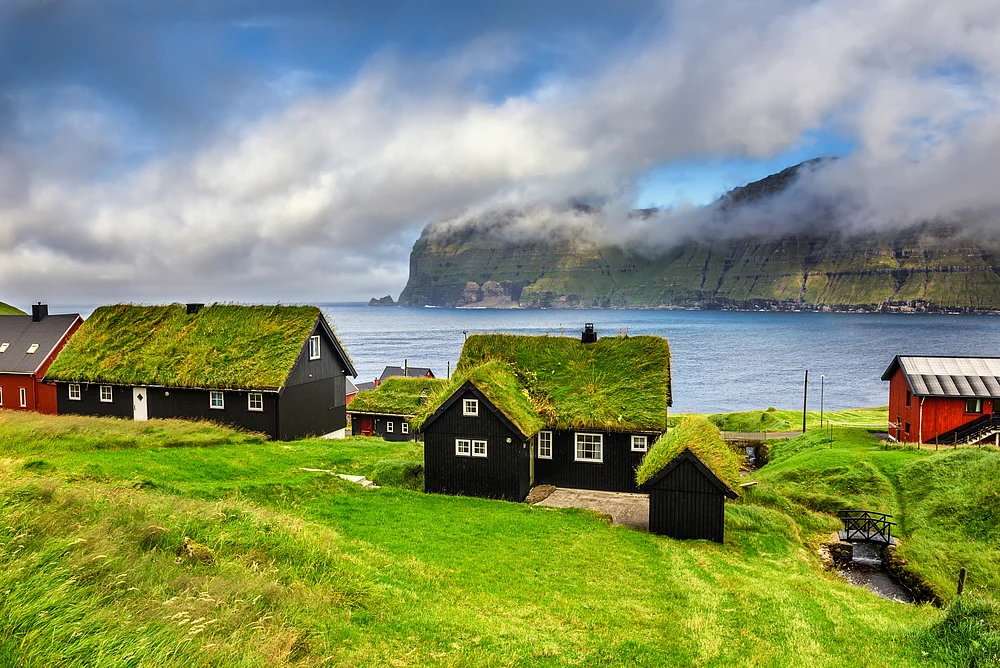
The Faroe Islands is a remote North Atlantic archipelago between Iceland and Norway. It feels almost designed for disconnection. Sheep outnumber people, and life moves at a quiet, unhurried pace. With just over 50,000 residents, the islands offer fog-draped cliffs, deep valleys, and ever-changing weather that encourages stillness. Their isolation, raw landscapes, and silence make it easy to step away from digital noise and sink into nature fully.
Things to Do
Hike coastal paths to hidden viewpoints, watch puffins in Mykines, or drive through winding roads linking grass-roofed villages. Waterfalls like Múlafossur add to the sense of calm, untouched wilderness.
Practical Tips
Fly into Vágar Airport via Copenhagen or Reykjavik. Rent a car for flexibility, as public transport is limited. Pack for all weather—sun, rain, and fog often appear in a single day.
Tasmania, Australia


Tasmania, Australia, feels like a colder, quieter edge of the world where it is easy to slow down and switch off. Far from mainland cities, this island state is shaped by rugged coastlines, dense forests and empty horizons that stretch without interruption. Places like the southwest wilderness and Bruny Island create a sense of distance from everyday life, making it a strong setting for a proper digital break.
Things to Do
The South Coast Track is best taken slowly, with long stretches where it is just you, the wind and the coastline. Around Cradle Mountain, the walks feel quiet and enclosed, often wrapped in mist. Bruny Island is more relaxed, with empty beaches and slow drives, while Three Hummock Island feels far away from everything, almost stripped back to basics.
Practical Tips
Outside towns, mobile signals are often weak or disappear completely. The weather can shift without much warning, so it is worth keeping a jacket and waterproof layers close, even on calm days. It also helps to plan your route properly and tell someone your rough plans before heading into quieter, more isolated areas.
Alejandro Selkirk Island, Chile

Far out in Chile’s Juan Fernández Archipelago, Alejandro Selkirk Island sits almost alone in the Pacific, shaped by cliffs, volcanic slopes and long stretches of empty sea. It has carried different names over time, but its remoteness has always defined it. Reaching it is rare, usually by a supply ship that only arrives a few times a year. That distance, and the slow rhythm of life here, make it feel cut off in a way few places still are.
Things to Do
Trekking across the high plateau is the main draw. You get steep climbs, fern-covered slopes and wide views that open out over the ocean. Birdwatching is another focus, especially for species found nowhere else, like the Masafuera Rayadito. Most time here is spent outdoors, moving slowly through terrain that feels unchanged for long periods.
Practical Tips
Getting here takes planning and patience, as transport is limited and often tied to supply or expedition boats. Facilities are minimal, so travellers need to pack carefully and be prepared for basic conditions. Weather and sea crossings can be unpredictable, and there is little mobile or internet coverage. Good walking shoes, layered clothing and essential supplies are important for spending time comfortably on the island.
Tepuy Roraima, Venezuela

Rising above the clouds in Venezuela’s Canaima National Park, Mount Roraima feels less like a mountain and more like a world separated from time. This flat-topped tepuy, believed to be around two billion years old, is surrounded by sheer cliffs, drifting mist and strange rock formations. With no phone signal and days spent crossing rivers, forests and open savannah, the journey naturally pulls attention away from screens and back towards the landscape itself.
Things to Do
The trek to the summit usually takes close to a week, beginning from the Pemon village of Paraitepui. Along the way, trails pass through grasslands, rocky slopes and cloud-covered paths before opening onto the plateau itself. Up top, there are dark stone formations, small crystal-clear pools and unusual plants that grow nowhere else. Nights are spent camping beneath open skies, often far from any sign of modern life.
Practical Tips
This is a demanding hike rather than a casual escape, so preparation matters. Weather changes constantly, with heavy rain, mist and strong sun all possible within a single day. Good waterproof gear and sturdy boots are essential. Most travellers go with local Pemon guides, who know the terrain and changing conditions well. The drier months between December and April are generally easier for trekking, although conditions on the mountain remain unpredictable throughout the year.
Ittoqqortoormiit, Greenland

On the eastern edge of Greenland, Ittoqqortoormiit sits surrounded by ice, mountains and long stretches of Arctic silence. Reaching the village is not simple, with access limited to occasional boats and helicopter transfers for much of the year. Home to only a few hundred residents, it feels completely removed from the pace of modern life. Days here unfold slowly, shaped more by weather, sea ice and wildlife than by schedules or screens.
Things to Do
Boat trips through Scoresby Sund reveal drifting icebergs, glaciers and quiet fjords that seem to go on endlessly. In winter, dog sledding remains part of everyday life and offers a closer look at the landscape surrounding the settlement. Wildlife sightings are common too, from whales offshore to Arctic foxes moving across the snow. Much of the experience comes from simply spending time in a place where silence feels uninterrupted.
Practical Tips
Travelling here takes planning, usually involving a flight from Iceland followed by a helicopter transfer. Accommodation options are limited, so bookings are best made well in advance. Summer brings milder conditions and easier access to the fjords, while winter offers darker skies and stronger chances of seeing the Northern Lights. Warm layered clothing is essential at any time of year, as weather conditions can shift quickly in the Arctic.
FAQs
What is the disconnection travel trend?
It focuses on travelling to remote places to reduce screen time and reconnect with real-world experiences.
Why are remote destinations becoming popular?
Many travellers are seeking quiet, solitude and relief from constant digital overload.
What are the best places for a digital detox?
Destinations like Greenland, the Faroe Islands, Tasmania and Mount Roraima are popular for disconnecting.
Is off-grid travel safe?
Yes, with proper planning, suitable gear and local guidance where needed.
What should I pack for remote travel?
Warm layers, waterproof clothing, basic medical supplies and offline maps are usually essential.


