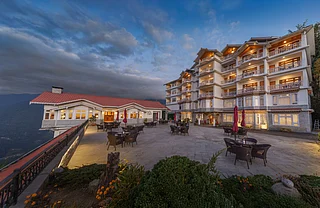
Summit Hotels & Resorts has stepped into India’s fast-growing spiritual tourism space with the launch of The Mandir Collection, a new hospitality brand aimed at travellers who are drawn to pilgrimage, wellness and cultural journeys. Whether you’re planning a family visit to a revered site or seeking a quieter, more reflective escape, the idea behind the brand is to offer comfort without losing sight of the spiritual setting you’re in.
What makes this move timely is the way travel patterns across India are shifting. Improved connectivity, better infrastructure around key pilgrimage routes, and a growing interest in wellness-led breaks have all contributed to a steady rise in this segment. If you’ve travelled to any major spiritual destination in recent years, you’ll have likely noticed how quickly the experience around it is evolving — and The Mandir Collection is clearly positioning itself within that change.
The Debut Property
The first property under The Mandir Collection will be in Salasar, Rajasthan — a town already deeply woven into India’s spiritual map thanks to its close connection with the revered Salasar Balaji Temple. For travellers heading there, this location is likely to feel familiar in purpose but noticeably elevated in its approach to stay and service.
Branded as Summit Salasar – The Mandir Collection, the property is being positioned as a premium spiritual retreat rather than a conventional hotel. It has been designed with a wide mix of guests in mind — from families travelling together and elder devotees on pilgrimage, to wellness seekers and groups gathering for religious or destination-led ceremonies. The intent is to create a space that supports both devotion and rest, without separating the two.
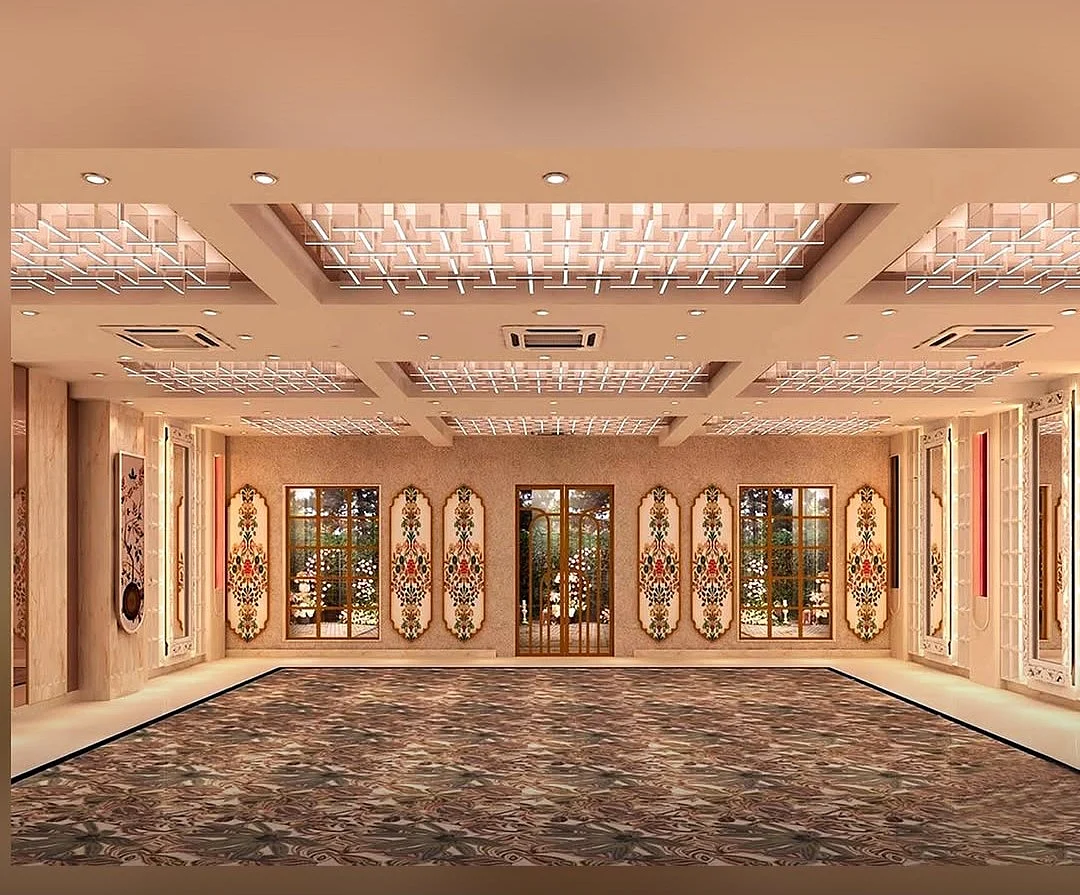
The property will feature 70 keys in total, spread across well-appointed guest rooms and private villas, including luxury villas with private pools for those seeking greater privacy and comfort. Within the experience itself, the focus remains closely tied to the spiritual rhythm of the destination. Guests will have access to Satvik dining, dedicated assistance for temple visits and rituals, curated wellness itineraries, and evening devotional gatherings. Alongside this, larger event spaces and outdoor areas have been planned to host spiritual ceremonies and community gatherings, allowing the property to function as both a retreat and a place of collective celebration.
Corporate Strategy And Market Drivers


Responding to a structural shift in travel behaviour: The launch reflects a clear change in how domestic travellers are approaching religious journeys across India, with expectations moving well beyond basic accommodation towards more curated, experience-led stays.
A shifting traveller mindset: As CEO Sumit Mitruka points out, close to one in five Indians is now planning journeys centred on faith or wellness. What stands out in this shift is not just the scale, but the way expectations are changing — with travellers looking for stays that feel spiritually connected while still offering the ease and reliability of a branded hotel experience.
Higher expectations on the ground: Anyone who has visited major pilgrimage destinations in recent years will recognise the change. It is no longer enough to be simply close to the temple. Guests are increasingly looking for accommodation that respects the sanctity of the location while also delivering comfort, thoughtful service, and a sense of calm after a long day of travel or ritual.
Momentum from infrastructure growth: Better roads, improved rail links, and sustained investment from state governments in key pilgrimage circuits are quietly reshaping access to these destinations. What were once long and demanding journeys are becoming more manageable, opening the door to a wider and more diverse traveller base.
A market gaining real scale: With India’s spiritual tourism sector projected to reach USD 135 billion by 2034, the opportunity is no longer niche. It is becoming a significant part of the wider travel economy, prompting established hospitality players to rethink how they position themselves in this evolving space.
Summit’s Long-Term Corporate Roadmap
A steady rise since 2009: Founded in 2009, Summit Hotels & Resorts has grown into a well-recognised name in East India’s hospitality landscape, also establishing itself as the country’s largest leased hotel operator.
From hill stations to temple towns: The group currently manages over 30 hotels across more than 17 leisure destinations, with a strong presence in hill stations. The launch of The Mandir Collection signals a deliberate shift — and its first structured entry into India’s fast-emerging temple town circuit.
Clear expansion ambitions for 2030: The company is targeting a portfolio of 50 properties by 2030, with growth driven by specialised sub-brands such as The Mandir Collection. A stronger focus on direct digital bookings is also expected to play a key role in this next phase of expansion.
Early pipeline already forming: Beyond Salasar, the group is already evaluating additional locations for future properties under the collection, with key spiritual corridors such as Haridwar and Ayodhya emerging as early candidates for expansion.

FAQs
What is The Mandir Collection by Summit Hotels & Resorts?
It is a new hospitality brand focused on spiritual tourism, offering premium stays designed for pilgrims, families, and wellness travellers.
Where is the first property located?
The debut property, Summit Salasar – The Mandir Collection, is located in Salasar, Rajasthan, near the Salasar Balaji Temple.
What kind of experiences will the property offer?
Guests can expect Satvik dining, temple assistance, wellness-focused itineraries, devotional sessions, and spaces for religious ceremonies and gatherings.
Who is the brand aimed at?
It is designed for a wide audience, including devotees on pilgrimage, families travelling together, elder guests, and wellness-focused travellers.
Are more properties planned under this brand?
Yes, Summit Hotels & Resorts is evaluating expansion into other key spiritual destinations, including corridors such as Haridwar and Ayodhya.