With spiritual tourism on the rise in India, Grand Continent Hotels is pushing ahead with expansion plans in major pilgrimage hubs. The Bengaluru-based chain has added a 48-room property in Rameshwaram—its 31st hotel so far—and is currently developing projects in Somnath, Varanasi, and Ayodhya, aiming to ride the sector’s projected 16.2% CAGR.
Focused Expansion In Pilgrimage Hubs
Grand Continent Hotels has been adding to its presence across India’s main pilgrimage routes. As of April 2026, it runs 31 properties in over 17 cities, with more than 1,850 keys in total. The next leg of expansion is clearly tilted towards spiritual micro-markets—places like Rameshwaram, Somnath, Varanasi and Ayodhya, where demand tends to stay fairly steady through the year.
Some of the recent moves give a sense of direction. The group’s new property in Rameshwaram, a 48-room hotel on Pamban Island, is designed with religious travellers in mind, including a fully vegetarian dining option. In Dwarka, its hotel sits close to the Dwarkadhish Temple and offers a mix of temple-facing and sea-facing rooms—small touches, but ones that matter in these locations.
Recent additions reflect this focus. In Rameshwaram, the company has opened a 48-room, four-star hotel on Pamban Island, complete with a vegetarian restaurant designed to suit religious travellers. In Dwarka, its property near the Dwarkadhish Temple offers rooms with both temple-facing and sea-facing views, aligning closely with visitor preferences in the area.
Betting On Rising Spiritual Travel Demand
What’s driving this push is fairly straightforward: more people in India are travelling for spiritual and religious reasons. Better roads, improved rail links, and easier access to smaller towns have all contributed to this. At the same time, younger travellers don’t necessarily treat these trips as purely devotional—they’re just as likely to turn them into short breaks.
Grand Continent, which is listed on the NSE’s SME platform, reported revenue of about INR 75 crore in FY25 and roughly INR 57 crore in the first half of FY26. It’s still a relatively small player, but clearly trying to scale alongside a market that’s expanding at a decent clip. Estimates suggest the spiritual tourism segment could reach around $59 billion by 2028, with a growing share of Indian travellers factoring in at least one faith-led trip.
The Pull Of The Spiritual


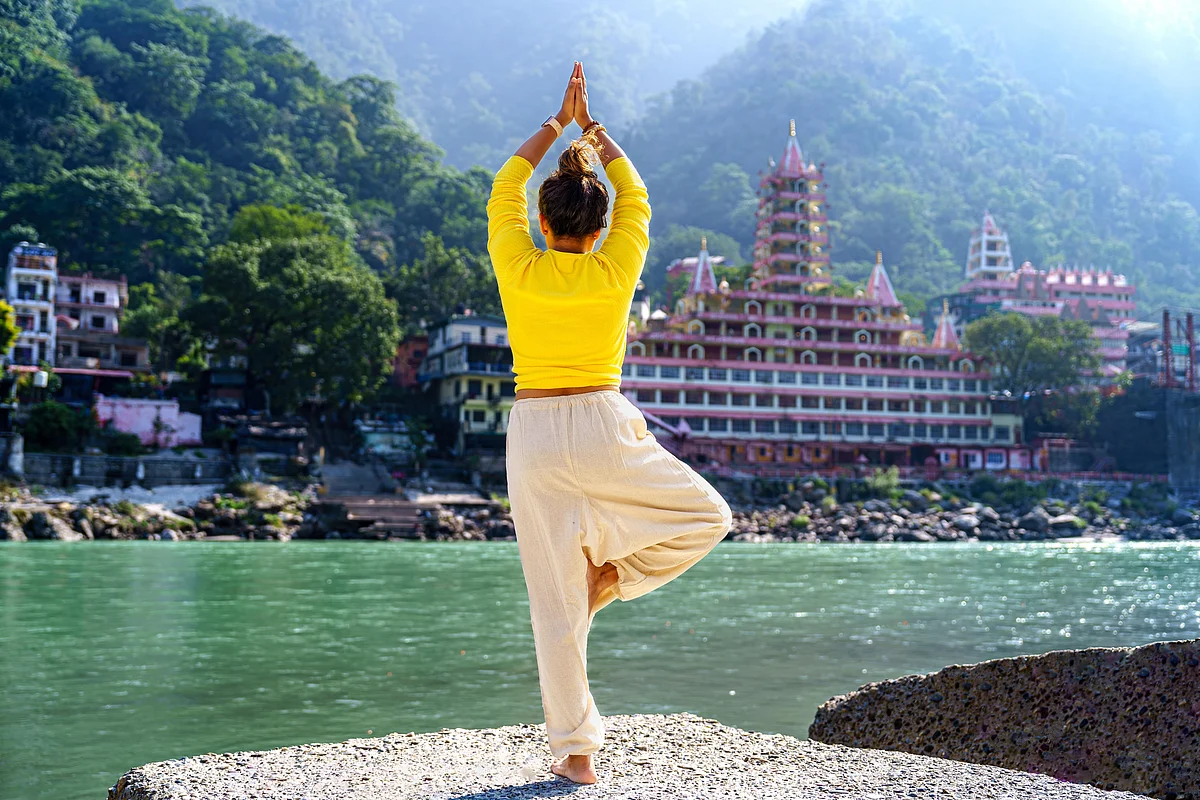
People talk about spiritual travel as something deeper than a regular holiday—less about where you go, more about what you feel when you’re there. That might mean a yoga retreat, time in a spiritual retreat, just a few quiet days away from the usual routine. Some of these places are getting increasingly crowded, and not always treated with much care—litter and overuse are common complaints. So while the intention may be reflection or peace, the reality on the ground doesn’t always match that idea.
Generally, spiritual travel is often set apart from traditional pilgrimage, though in practice the line between the two can blur. Pilgrimages are usually tied to specific faith traditions, while spiritual travel is more experience-led—centred on reflection, wellness, or just stepping away from routine for a while. It’s been picking up among younger travellers, helped by better connectivity and a growing range of destinations, from the diverse range of Buddhist retreat centres, ashrams, and Sufi shrines in the Indian subcontinent to Christian pilgrimage routes in Europe, along with mindfulness and meditation spaces around the world.
FAQs
What is spiritual travel?
Spiritual travel refers to journeys that prioritise reflection, wellbeing, or personal growth rather than just sightseeing. It can include meditation retreats, wellness programmes, or time spent in quiet, meaningful environments.
How is it different from traditional pilgrimage?
Traditional pilgrimages are usually rooted in specific faith practices and rituals. Spiritual travel is broader and more experience-focused, and may or may not be linked to organised religion.
Why is spiritual travel becoming more popular?
Rising interest among younger travellers, better transport links, and a growing focus on mental wellbeing have all contributed to its growth. Many see it as a way to slow down and disconnect from routine.
Which destinations are associated with spiritual travel?
Destinations vary widely and include Buddhist retreat centres, Sufi shrines, Christian pilgrimage routes, ashrams, and global wellness and meditation hubs.
Is spiritual travel a new trend?
Not really. The idea is long-standing, but it has taken on new forms in recent years as wellness tourism and experiential travel have become more mainstream.