At least eight people have died and 82 others are reported missing after a powerful landslide struck Indonesia’s West Bandung region in West Java in the early hours of Saturday, according to the country’s disaster mitigation agency.
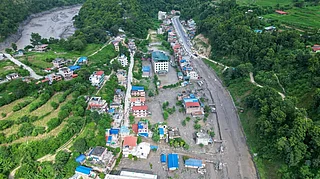
The landslide hit Pasirlangu village at around 2:00–2:30 am local time, following hours of intense rainfall. A surge of water mixed with loose soil from the slopes of Mount Burangrang crashed into residential areas, destroying nearly 30 homes while most residents were asleep, Indonesian media outlet Kompas reported.
Heavy Rain Triggers Pre-Dawn Disaster
The National Disaster Management Agency (BNPB) confirmed that the landslide affected two villages in the West Bandung area. BNPB spokesperson Abdul Muhari said that as of 10:30 am on Saturday, dozens of residents had been found alive, while search efforts continued for those still missing.
“The number of missing persons remains high, and we are optimising search and rescue operations today,” Muhari told reporters, adding that unstable ground conditions were slowing progress.
Rescue Efforts Hampered by Difficult Terrain
Indonesia’s armed forces, police, regional disaster response teams, volunteers, and local residents have been deployed in the emergency response. Search teams are carrying out manual excavation, using water pumps to loosen debris and deploying drones to locate victims buried under mud and rubble.
West Bandung mayor Jeje Ritchie Ismail said rescue workers were facing extremely challenging conditions. “The terrain is very difficult, and the soil remains unstable,” he warned.
Environmental Concerns and Rising Disaster Risks
Indonesia’s meteorological agency had issued warnings earlier this week of extreme weather and prolonged heavy rainfall across West Java. The latest disaster comes amid growing concern over Indonesia’s vulnerability to climate-related hazards, exacerbated by deforestation and environmental degradation.

Environmental experts have repeatedly pointed to forest loss—often linked to mining, logging, and palm oil expansion—as a major factor worsening landslides and flooding. In response, the Indonesian government has recently revoked dozens of permits held by forestry, mining, and hydroelectric companies and has filed lawsuits against six firms accused of contributing to environmental damage.
As climate change intensifies rainfall patterns and sea levels rise, Indonesia continues to face mounting risks from natural disasters across its islands.
(With inputs from various news reports)
FAQs
What caused the landslide in West Java?
The landslide was triggered by heavy and prolonged rainfall, which loosened soil on the slopes of Mount Burangrang, causing mud and water to rush into nearby villages.
How many people were affected by the West Bandung landslide?
As of Saturday morning, eight people were confirmed dead, dozens were rescued, and 82 people were reported missing.
Where did the landslide occur in Indonesia?
The landslide struck Pasirlangu village and another nearby village in the West Bandung region of West Java province.
Who is conducting rescue operations?
Rescue efforts involve Indonesia’s armed forces, police, regional disaster agencies, volunteers, and local community members, using manual excavation and drones.
Why is Indonesia prone to landslides and floods?
Indonesia’s geography, heavy seasonal rains, deforestation, mining activities, and climate change have increased the frequency and severity of landslides and floods.