Thailand has always been easy to love. The beaches are postcard-perfect, the food is unforgettable, and the hospitality has become legendary. But beneath those familiar reasons lies another story that feels especially relevant today. As travellers grow weary of packed itineraries, endless notifications and holidays that often require recovering from, Thailand is inviting visitors to slow down instead. Its latest tourism narrative, "Healing is the New Luxury," reflects a larger shift in what premium travel has come to represent. Here, luxury is no longer measured only by opulent suites or exclusive experiences. It is found in quiet mornings, meaningful cultural encounters, restorative rituals and the simple privilege of returning home feeling better than when you left. In a world where burnout has become commonplace, that promise may be the greatest indulgence of all.
The Wellness Shift
Luxury travel has entered a new chapter. The emphasis has shifted from collecting destinations to seeking experiences that nourish the mind and body while creating a deeper connection with a place. Wellness is no longer confined to a spa appointment squeezed between sightseeing. It has become the very reason people travel.
Thailand has recognised this evolution and embraced it wholeheartedly through its "Healing is the New Luxury" campaign. Rather than positioning wellness as an add-on, the country presents it as an integral part of the journey itself. It is an invitation to rediscover travel through balance, presence and purpose.
As Nattachit Oonsiam, director of the Tourism Authority of Thailand (TAT), Mumbai Office, explained, “‘Healing is the New Luxury’ expresses a larger change in how people travel. Luxury is no longer defined solely by material comfort. It is also the privilege of time, stillness, meaningful human connection and returning home with a renewed sense of well-being.”
For Thailand, healing extends far beyond wellness resorts. It can be found in a quiet walk through ancient forests, a traditional herbal remedy, a nourishing meal prepared with local ingredients, or the warmth of genuine Thai hospitality. It is this broader interpretation of wellness that gives the campaign its emotional depth and enduring relevance.
Wellness Beyond The Treatment Room
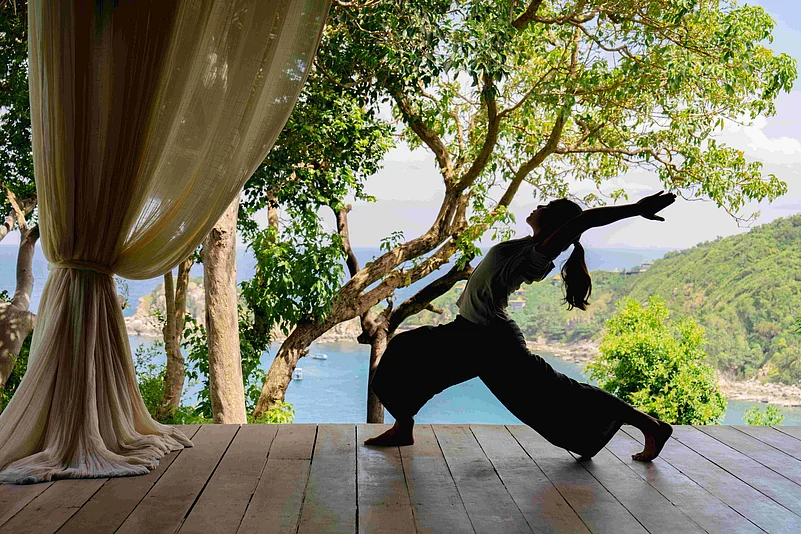

Thailand's wellness reputation is hardly new. For decades, travellers have associated the country with massages, beachfront spas and luxurious resorts. Today, however, the destination is expanding that identity into something much richer and more holistic.
Across the country, wellness takes many forms. In Bangkok, travellers can combine advanced medical screenings with personalised wellness programmes. Chiang Mai offers meditation retreats, traditional Lanna healing practices and mountain sanctuaries surrounded by forests. Hua Hin and Koh Samui continue to redefine luxury through beachfront wellness resorts where yoga, nutrition, movement, and mindfulness become part of daily life rather than scheduled activities. Oonsiam believes the country's greatest strength lies in how naturally these experiences fit together.
“Thailand’s wellness traditions were not created for visitors. They are part of a living culture of care, shaped over generations by local knowledge, Buddhist thought, food, herbs and an understanding of balance between the body and mind,” shared Oonsiam. He added, “Traditional Thai massage is perhaps the practice most familiar to international travellers, but it sits within a much larger system. Traditional herbal therapies, Tok Sen (hammer massage), meditation, nourishing cuisine and spiritual practices all contribute to Thailand’s wellness identity. Thai hospitality is equally important. The care, attentiveness and sense of calm with which an experience is delivered cannot be separated from the experience itself.” Rather than creating wellness for tourists, Thailand is inviting visitors into traditions that have long been woven into everyday life.
A Different Kind Of Luxury
Five-star hotels remain an important part of Thailand's tourism appeal, but they are no longer the only expression of luxury. Increasingly, travellers are placing greater value on authenticity, exclusivity through experience, and opportunities to connect with local culture.
Luxury today may involve learning centuries-old Lanna healing practices in northern Thailand, spending time in a farming community, following sustainable travel routes through lesser-known provinces or discovering Thai cuisine through its nutritional philosophy rather than indulgence alone.
Oonsiam explained, “Exceptional accommodation remains an important part of Thailand’s appeal; as I said earlier, it is no longer the complete definition of luxury. Increasingly, luxury lies in access, authenticity and the quality of an experience.”
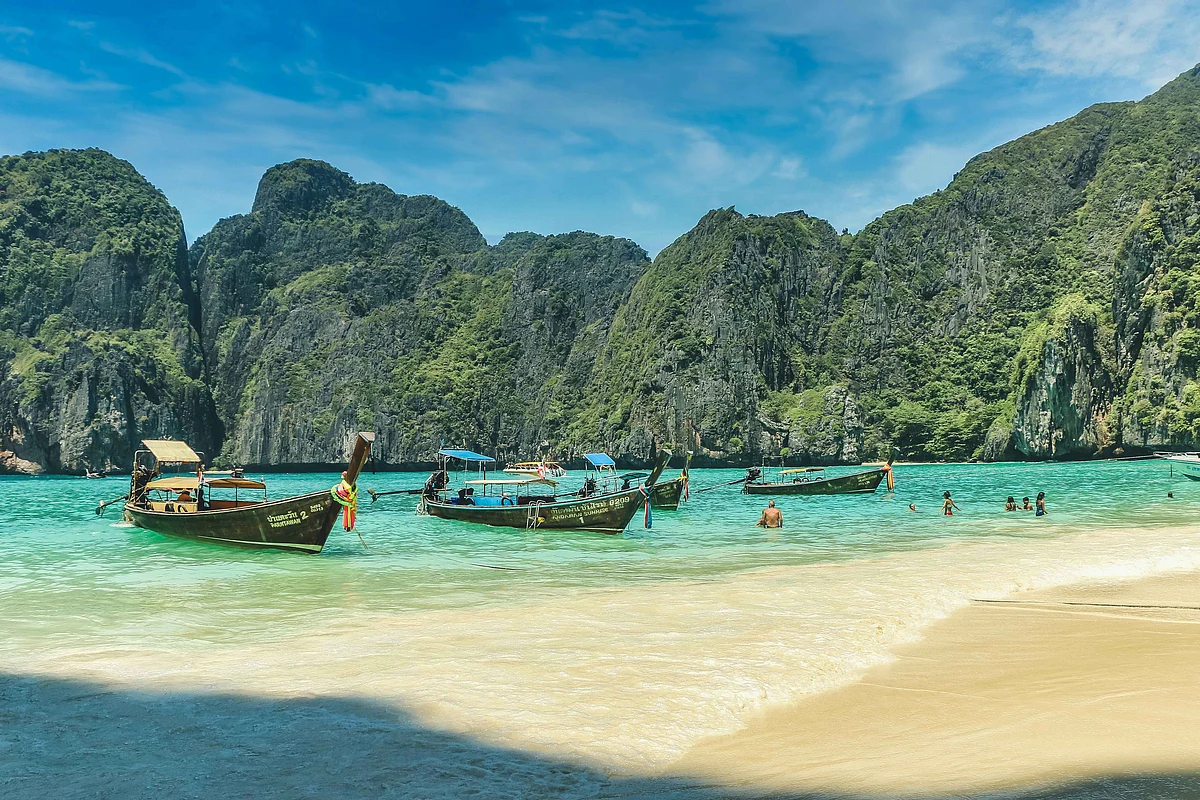
He continued, “Even a familiar beach destination can be experienced with a different purpose through mindfulness, movement or marine conservation. This is the direction of ‘The New Thailand’: established destinations seen with fresh eyes, and new regions brought into the traveller’s consideration through culture, wellness and responsible exploration.” This evolving definition feels particularly timely as travellers increasingly seek journeys that leave a lasting emotional impact instead of simply filling their camera rolls.
Why Indian Travellers Are Embracing Wellness
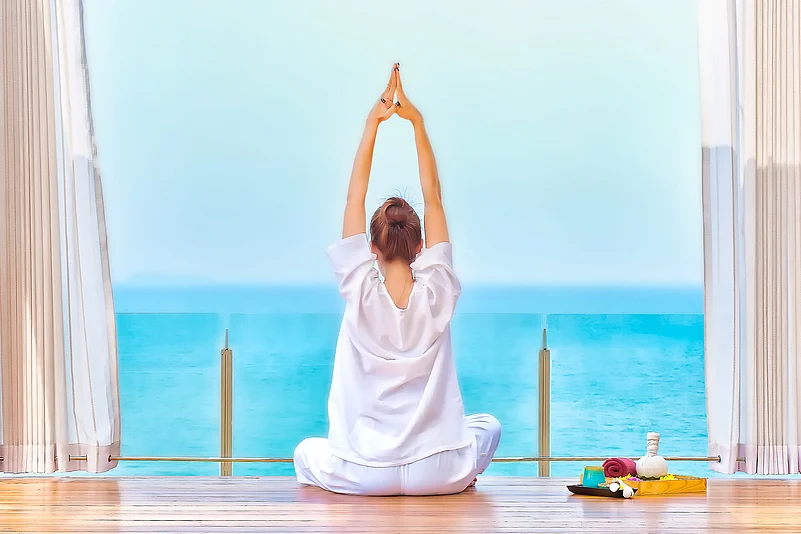
India's outbound travel market has changed dramatically over the past few years. Travellers are increasingly willing to spend on meaningful experiences that offer emotional value alongside comfort. Wellness holidays, multigenerational trips and slow travel are becoming significant drivers of international tourism. Thailand fits naturally into this evolving mindset. Its accessibility, familiarity and cultural warmth make it an easy destination to return to, while its expanding wellness offerings provide entirely new reasons to visit.
Importantly, Thailand does not expect every visitor to commit to a two-week detox retreat. Wellness can be integrated seamlessly into any holiday, whether through a meditation session, a traditional Thai massage, a nourishing meal, or simply spending time in nature.
Oonsiam said, “Our understanding of the Indian market is that wellness must be meaningful, but it must also fit naturally into the way Indians travel. Not every visitor is seeking an intensive retreat. Many travel with a partner, friends, children or parents, and different members of the same group may have very different expectations.” He added, “For Indian visitors who already know Thailand well, this opens an entirely different way to rediscover the country. They can retain the ease and familiarity they value, while exploring destinations, traditions and experiences that bring greater depth to the holiday.”
That flexibility allows wellness to become accessible rather than intimidating, making it part of the journey instead of its sole purpose.
Where Nature Becomes The Therapist
Thailand's landscapes have always shaped its identity, but they are now playing an equally important role in its wellness narrative. The country's forests, mountains, islands and rural communities are not simply scenic backdrops. They actively contribute to physical and emotional restoration.
In northern Thailand, travellers can experience Yam Khang, a rare Lanna healing practice where warmed feet infused with herbal oils are used therapeutically. Elsewhere, herbal medicine, meditation, organic farming experiences and locally prepared cuisine create immersive wellness journeys rooted in place.
The country's green season further reinforces this philosophy. With fewer crowds, lush landscapes and a gentler pace, it offers travellers the opportunity to reconnect with nature while exploring a quieter side of Thailand that many never experience.
As Oonsiam explained, “They form one interconnected system. Thailand’s healing practices emerged from particular communities, environments and ways of life. Their meaning cannot be fully understood if they are separated from that context.”
Rather than isolating wellness within resort walls, Thailand allows visitors to experience healing through the landscapes and communities that have sustained these traditions for generations.
The Future Of Wellness Is Purposeful
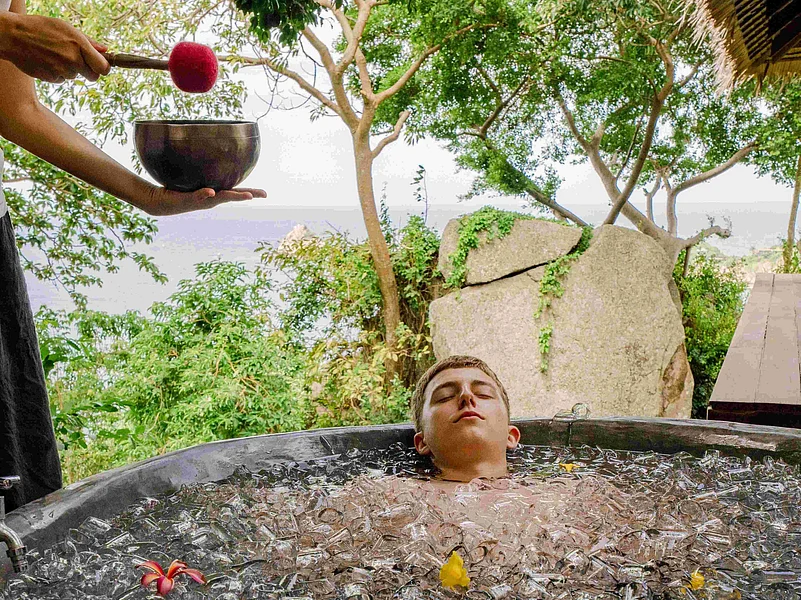
Wellness itself is evolving. Today's travellers are increasingly interested in preventive healthcare, longevity, mindfulness and experiences that improve overall quality of life rather than offering temporary relaxation.
Thailand has responded by bringing together advanced medical expertise with centuries-old healing knowledge. Visitors can combine health screenings and personalised nutrition programmes with meditation, movement, traditional therapies, and restorative natural environments.
The country's vision also extends beyond personal wellbeing to include environmental consciousness. Activities such as diving, for example, encourage mindfulness while fostering appreciation for marine ecosystems. Oonsiam believes this combination represents the future of luxury travel.
“One important development is the rise of active, nature-led wellness. Travellers increasingly want experiences that are restorative without being passive. They want to move, learn and engage with the environment, while remaining conscious of their own well-being and their impact on the destination.” He said, “I believe this combination of wellness, purposeful activity and environmental awareness will become increasingly significant. The next generation of luxury travel will not be defined by withdrawal from the world, but by experiencing it with greater attention.”
It is an evolution that feels increasingly relevant in an era when meaningful experiences often leave the deepest impressions.
A Journey That Lasts Beyond The Flight Home

The true measure of any journey lies in what remains after it ends. Souvenirs fade, and photographs become memories, but the feeling a destination leaves behind often lasts much longer.
Thailand's wellness philosophy is built around exactly that idea. It encourages travellers to return home not simply rested, but transformed in small yet meaningful ways, carrying healthier habits, a calmer perspective and a deeper appreciation for balance.
As Oonsiam put it, “I would describe it as a renewed sense of balance. We want visitors to leave feeling physically restored, mentally clearer and emotionally uplifted, but also with the sense that their time in Thailand had real value.”
He concluded, “Above all, I hope Indian visitors return home remembering that Thailand did more than welcome them. It made them feel genuinely cared for.” Perhaps that is what luxury ultimately means today. Not excess or exclusivity, but the rare opportunity to pause, breathe deeply and return home feeling more present than when the journey began. In that sense, Thailand is offering something that has become increasingly difficult to find: the luxury of feeling whole again.
FAQs
1. What is Thailand's 'Healing is the New Luxury' campaign?
It is Tourism Authority of Thailand's initiative promoting wellness, mindfulness, and restorative travel experiences.
2. Why is Thailand known for wellness tourism?
Its wellness offerings combine traditional healing, luxury hospitality, nature, and advanced medical expertise.
3. What wellness experiences can travellers enjoy in Thailand?
Yoga, meditation, Thai massage, detox programmes, preventive health check-ups, and holistic retreats.
4. Why is Thailand appealing to Indian wellness travellers?
It offers accessible luxury, cultural familiarity, diverse wellness experiences, and excellent hospitality.
5. How is luxury travel changing in Thailand?
The focus is shifting from lavish stays to meaningful, healing, and experience-led journeys.