Gone are the days when wellness travel meant planning a long retreat somewhere far from home—a mountain spa, a beach resort, or a coastal island. Wellness and travel were luxuries that demanded not only money but also time to unplug. However, as work pressure intensified and sedentary lifestyles became common, this triggered a growing number of mental and physical health concerns. Ironically, just as the need to recalibrate grew stronger, the time available for oneself or to step aside became shorter. As a result, travellers began seeking more meaningful outcomes within shorter windows of time off.
Today, the idea of a vacation has moved beyond distance or duration and is more about how one feels upon returning. This gradual shift towards short but impactful escapes is redefining the travel, wellness, and hospitality industries across the globe.
Modern travellers are not simply booking a stay; they are chasing an outcome. They want to return home not just rested, but transformed—and they want it quickly. This shift towards shorter, more intentional breaks is gradually influencing how travel, wellness, and hospitality are experienced.
Urban Wellness Retreats: Blending Travel With Holistic Well-Being

Traditionally, wellness tourism meant travelling to a remote, scenic location far from city life and glaring screens in search of peace and stillness. The belief was simple: to restore your well-being, you had to leave the city behind.
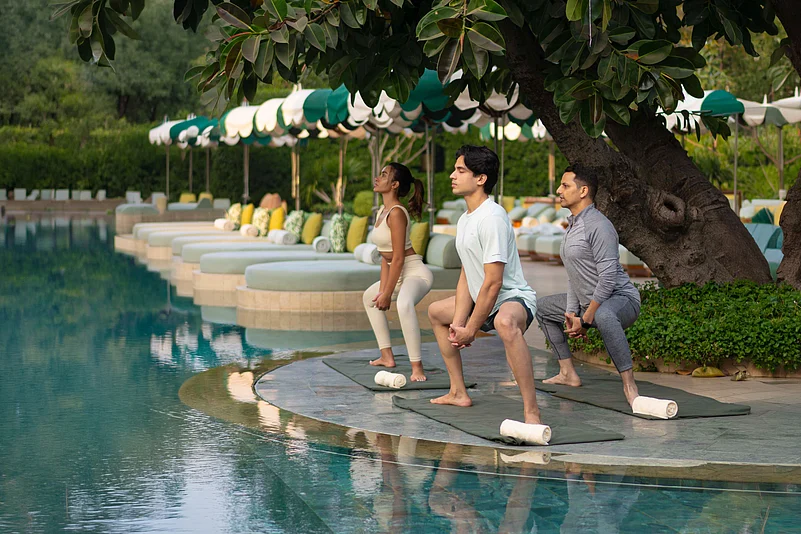
Rewriting that belief, urban spaces are increasingly being adapted to support well-being. In many cities, hospitality environments are evolving to accommodate more integrated wellness experiences. What was once considered an add-on is slowly becoming a category of its own. The urban wellness retreat offers the depth and therapeutic value of a destination spa without requiring guests to give up convenience, connectivity, or the energy of city life.
Professionals arriving for a two-day business trip, transit guests, or weekend travellers are now increasingly seeking properties that allow them to maintain or even enhance their well-being while fulfilling professional or personal commitments.
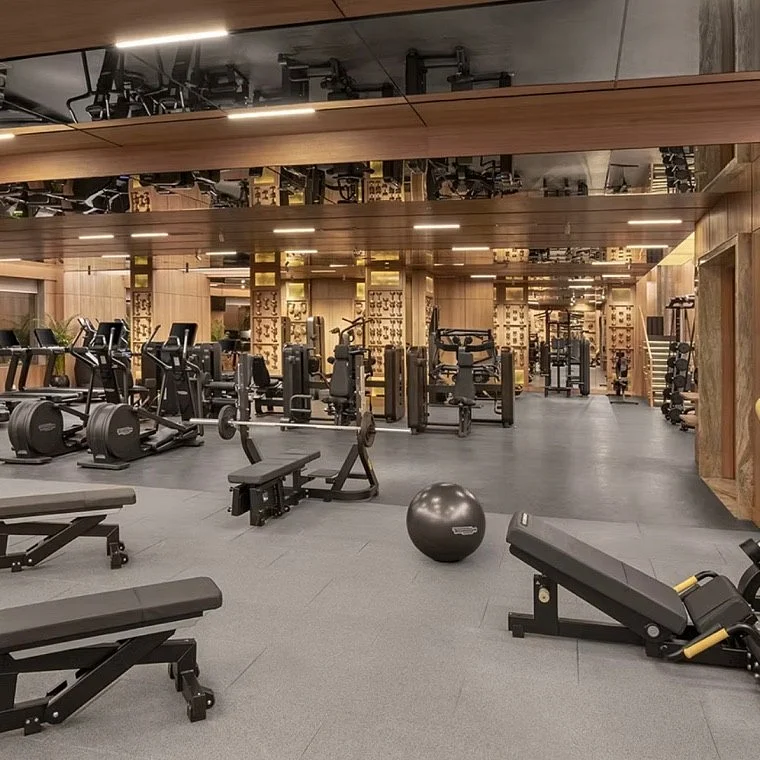
As a result, there is a clear shift towards more comprehensive wellness infrastructure, moving beyond traditional spa formats to include specialised facilities, guided programmes, and recovery-focused experiences. Concepts such as structured wellness programmes and integrated wellness environments are increasingly becoming part of this evolution.
Personalisation And Multi-Modal Well-Being
The wellness traveller of today is well informed. They understand the difference between a relaxation treatment and a recovery session, and they are no longer willing to accept a one-size-fits-all spa menu as a wellness programme.
This has given rise to one of the biggest shifts in wellness hospitality: the creation of highly personalised and well-rounded well-being experiences. Rather than a generic offering, guests now expect a customised wellness plan built around their individual needs, goals, and health profiles.
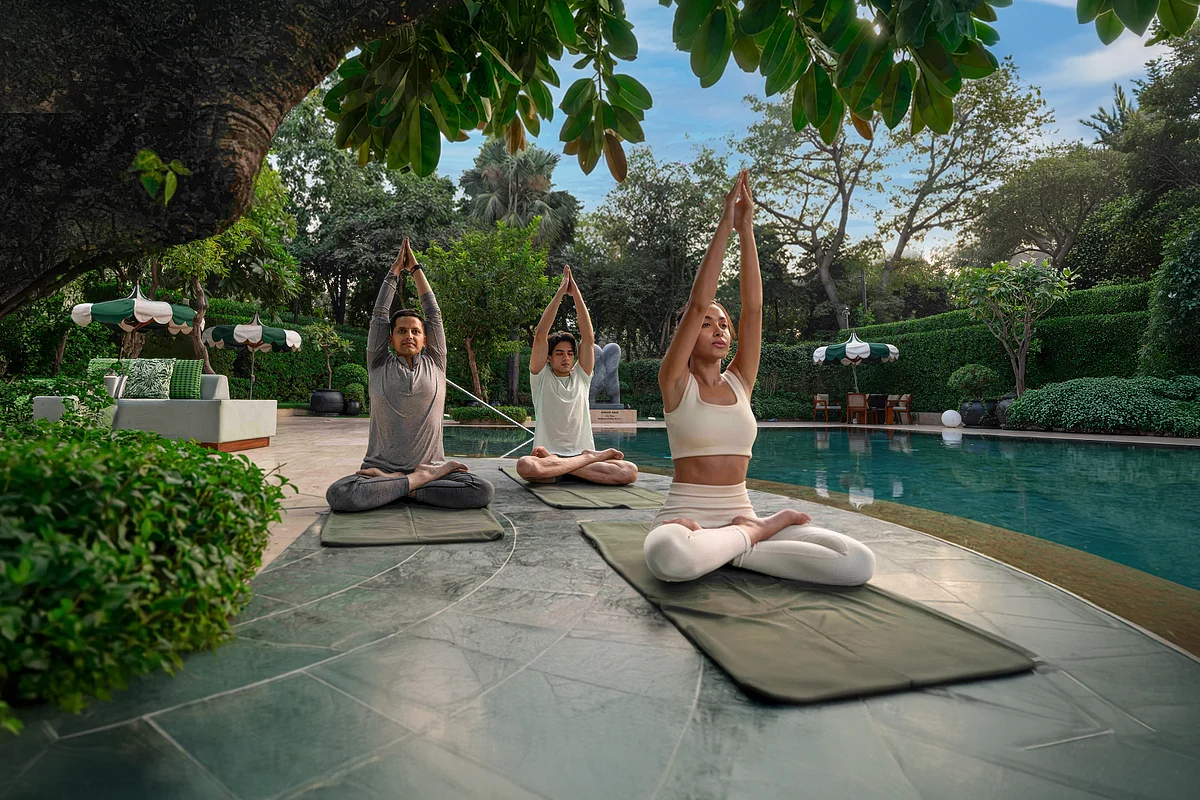
This approach brings together different yet complementary practices. Ancient Ayurvedic therapies such as Abhyanga and Shirodhara offer time-tested healing rooted in centuries of tradition, while modern recovery technologies like red-light therapy and compression systems cater to the performance-conscious guest seeking measurable results. Alongside these come mindful movement practices such as sunrise and moonlight yoga, guided meditation, and sunset wellness talks that support mental clarity and emotional balance.
This is what today’s traveller is seeking: a science-meets-soul experience that balances traditional wisdom with modern health science. Hospitality brands that can deliver this in an authentic and personalised manner are creating something extraordinary that cannot be easily replicated.
Wellness As A Lifestyle, Not A One-Off Experience
New-age wellness travellers are not looking for temporary relief; instead, they seek experiences that provide them with knowledge, habits, and practices they can take back with them. This means the value proposition of a wellness offering is no longer measured only by how good one feels during their stay, but by how meaningfully the stay changes how they live.
Mindful dining is one such example. Plant-based and nutrient-focused menus are no longer just “healthy options” on a menu; they are a form of learning. When guests begin to understand the connection between what they eat and how they feel within a structured wellness setting, this awareness stays with them for life.
Similarly, a well-designed wellness programme redefines everyday health, not just a holiday break. For example, a morning breathwork routine that can be practised at work or a recovery technique that can be replicated at home for quick relief from muscle stress or mental fatigue. For hospitality brands, this represents an opportunity to build a relationship with guests that extends far beyond the duration of their stay.
Integration Of Traditional Wellness With Global Tourism
One of the most compelling forces behind the growth of intentional wellness travel is the global appetite for cultural authenticity. Travellers seeking wellness experiences are not simply looking for treatments but for meaning.
For India, this represents a strong advantage. The country’s wellness identity—built on the ancient systems of Ayurveda, yoga, and the broader AYUSH tradition—is drawing health-focused tourists in growing numbers. These guests understand that they are not simply booking a service; they are engaging with a philosophy—a complete system of well-being that has evolved over thousands of years.
Luxury hospitality in India is uniquely positioned to serve as a bridge between this deep wellness heritage and the expectations of global luxury travellers. The opportunity lies in integration, not in diluting traditional therapies for international palatability. The aim is to deliver both in the most genuine and comfortable way.
When Ayurvedic rituals are offered not as exotic add-ons but as the backbone of a curated wellness journey—fully explained and experienced—they become genuinely transformative for international guests. Cultural authenticity, when delivered with expertise and intention, is not just a draw but an irreplaceable differentiator.
Wellness Travel As An Economic And Competitive Driver

It would be a mistake to view the rise of intentional wellness travel solely as a cultural or experiential story; it is also a significant business opportunity for the hospitality industry.
Wellness tourism is one of the fastest-growing segments of the global travel industry. Travellers are allocating a larger share of their budgets to experiences that improve their health, mental balance, and long-term well-being. They are also willing to pay more for programmes that deliver tangible results.
For hotels, wellness offerings create clear business value. They generate additional revenue, encourage longer stays, and build guest loyalty that leads to repeat visits and positive recommendations. Cities and hospitality brands are now competing based on the depth and quality of their wellness offerings. While room interiors and dining concepts can be replicated, developing a truly world-class wellness destination is far more challenging.
More importantly, the hospitality industry is investing seriously in wellness and redefining what luxury means today—highlighting that guest care goes beyond comfortable rooms and fine dining. It reflects a commitment to supporting overall health and balance. In an industry where brand image and positioning matter deeply, this approach makes a powerful statement.
Wellness tourism is no longer a niche category; it represents the next stage of growth. Luxury hospitality brands that invest with purpose, authenticity, and a focus on meaningful outcomes will shape the future of this sector for the next generation of travellers.
The author is the General Manager, Shangri-La Eros New Delhi.