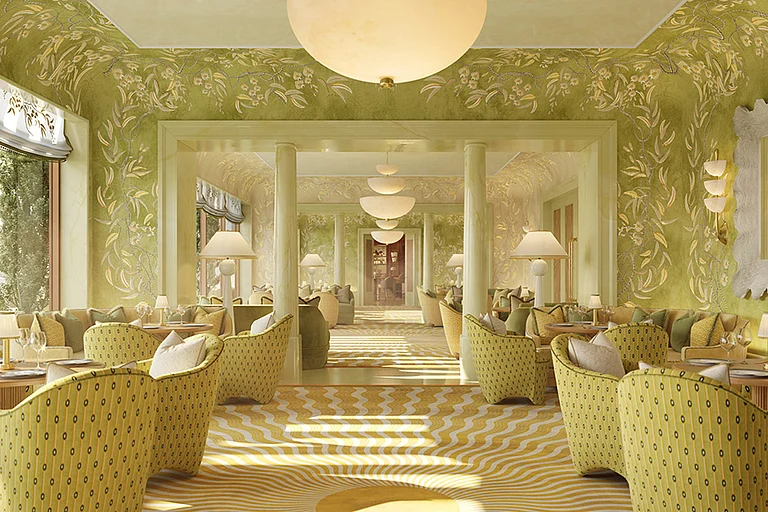
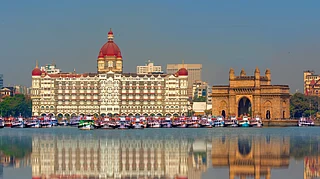
In 2026, a hotel stay is expected to be far more than just a place to sleep. Travellers now look for spaces that fit smoothly around their lives, with personalised service, intuitive technology, and experiences that feel tailored rather than standardised. There’s also a stronger pull towards authenticity and wellbeing. Guests want a genuine sense of place, not surface-level theming, alongside environments that actively support rest, recovery and a healthier way of travelling.
Inside The Modern Traveller’s Wishlist


Frictionless, Proactive Technology: Guests now expect technology that feels almost invisible in use. AI-driven personalisation anticipates needs before they are voiced, from adjusting room temperature and lighting to accounting for noise sensitivity or preparing allergen-free environments in advance.
Hyper-Local Immersion & Quiet Luxury: The age of checklist tourism is fading. Today’s traveller is drawn to “quiet luxury” — immersive, carefully curated experiences that feel rooted in place, offering a genuine connection to local culture rather than surface-level theming. “Luxury has become standardised, but experiences have not. Today’s travellers are seeking individuality over indulgence, with the true differentiator being how personally and effortlessly a hotel can shape each stay. Five stars alone are no longer enough — modern travellers want meaning, memories, and moments they could never have planned themselves,” says Mahima Verma, Founder and CEO, Showvia.
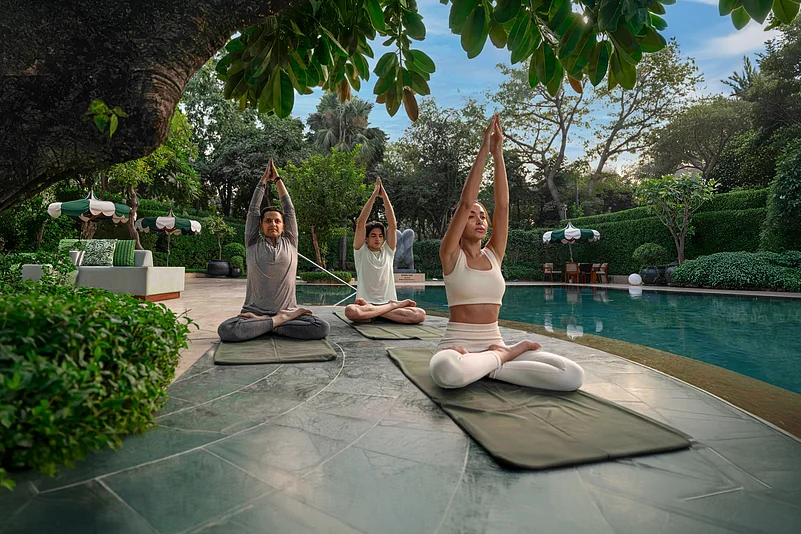
Social Wellness & Mindful Choices: Well-being has expanded beyond spa treatments into everyday travel habits. Active recovery, sleep-focused stays and “sleep tourism” are on the rise, alongside gut-friendly menus and a far stronger, more sophisticated non-alcoholic drinks offering. “Today’s travellers seek more than luxury — they want personalised, memorable experiences. Guests are looking for beautifully designed rooms, wholesome dining, yoga and meditation sessions, pet-friendly stays, and meaningful connections with the local environment through nature walks and cultural activities. Increasingly, travellers are choosing peaceful wellness retreats and workcations over traditional hotel stays in destinations such as Lansdowne, Mussoorie, and Vrindavan — driven by a growing preference for nature-led escapes, spiritual tourism, and experience-based hospitality,” says Mehardeep Singh, General Manager Corporate Affairs, Rubystone Hospitality.
Butler 2.0 & Holistic Execution: Service is becoming more unified and intuitive. The emerging “Butler 2.0” acts as a single point of contact, managing everything from restaurant bookings and luggage handling to personalised in-room touches and family experiences — all without guests needing to repeat themselves or chase requests.
Hotels As “Experience Platforms”, Not Properties
Hotels are increasingly being judged less as places to stay and more as experience platforms — shaping the rhythm of a trip through curated local access, on-demand moments, and stays that extend well beyond the room. Control sits at the heart of it all, with guests wanting to shape their own stay — from pace and privacy to dining and daily flow — often through a single, unified digital touchpoint.
At the same time, emotional impact matters more than ever, with design and service increasingly geared towards how a space makes people feel: calm, rested, focused. Rigid itineraries are fading too, replaced by looser, more fluid stays that allow experiences to unfold naturally rather than being tightly scripted. Travellers are increasingly choosing hotels as the starting point for a trip’s entire rhythm — from curated neighbourhood access to experiences that extend well beyond the room. The stay is becoming the itinerary, not just accommodation.
“Modern travellers seek far more than just accommodation — they value immersive, intentional, and deeply personal experiences. The future of hospitality lies in creating stays that blend cultural authenticity, intuitive service, wellness, and a genuine sense of belonging, resulting in experiences that feel emotionally enriching and memorable long after the journey ends,” says Richa Adhia, Managing Director, Eight Continents Hotel and Resorts.
The Rise Of “Emotional Design” In Hospitality
Hotels are being judged on how they make people feel, not just what they offer. Spaces are increasingly designed around mood, recovery, focus and calm, with a stronger link between environment and emotional state. Emotional design in hospitality is a strategic approach that prioritises how a space or service makes a guest feel, focusing on sensory experiences, comfort, and psychological well-being rather than just visual aesthetics.
The Booking Shift
Several platforms, like SiteMinder’s Changing Traveller Report 2026, point to a booking journey that’s clearly moving in a new direction. Online travel agencies have become the most common starting point for hotel searches at 26 per cent, just ahead of search engines at 21 per cent, showing how much travellers now lean on platforms to narrow down their options. AI is also starting to edge into the early stages of planning, rising from 1 per cent to 4 per cent as a first touchpoint for researching stays. And once it comes to booking, there’s a noticeable shift upwards — 58 per cent of travellers are now choosing superior or luxury room categories, signalling a growing preference for more elevated, experience-led stays.
FAQs
What do modern travellers expect from hotels in 2026?
Travellers expect hotels to go beyond accommodation, offering personalised service, seamless technology, wellbeing-led spaces and experiences that feel tailored to their lifestyle.
How is technology changing hotel stays?
AI and smart systems are making stays more intuitive, from adjusting room settings automatically to anticipating guest preferences before arrival, reducing the need for manual requests.
What is “quiet luxury” in hospitality?
Quiet luxury focuses on subtle, experience-led comfort rather than overt opulence, with an emphasis on authenticity, design detail and a strong sense of place.
Why is wellbeing important in hotel design now?
Wellbeing has become central to travel, with guests looking for better sleep environments, healthier food options and spaces that support rest, recovery and mental clarity.
How are guests choosing hotels differently in 2026?
Booking behaviour is shifting towards online travel agencies, with growing interest in AI-assisted planning and a stronger preference for upgraded, experience-led room categories.