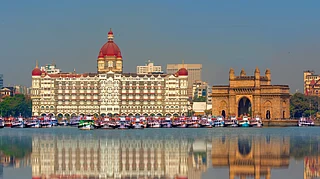
The ongoing conflict in West Asia is beginning to influence travel choices among Indian tourists. Instead of travelling overseas, many are now opting for destinations within the country. Travel industry players say rising airfares and changes in international flight routes have made foreign holidays more expensive and, in some cases, difficult to plan.
The trend is also reshaping India’s hotel industry. Hotels across several domestic destinations are reporting stronger demand from Indian travellers, reducing the sector’s dependence on international tourist arrivals. Travel operators say higher airfares and changes in international flight routes have made overseas trips both more expensive and less convenient in recent months. The shift is now reflecting across India’s hospitality sector, where hotels are seeing a steady rise in domestic bookings, easing the industry’s long-standing dependence on foreign tourists.
Cushioning The Impact Of Global Geopolitical Shocks
The influence of strong domestic tourism on India’s hospitality sector, particularly amid geopolitical uncertainty, is reshaping the industry in several ways.
The West Asia effect:
Escalating conflict and airspace disruptions in West Asia have affected India’s aviation sector and inbound international tourism. Premium and luxury hotels in metropolitan cities, many of which depend heavily on foreign travellers, have reported noticeable drops in occupancy.
Recovery driven by domestic demand:
To manage the slowdown, many hotels are turning their attention to domestic travellers through staycation packages, work-and-holiday stays, and curated dining experiences. With Indian tourists now contributing close to 84 per cent of overall tourism spending, the steady flow of local travellers is helping the sector maintain business throughout the year and soften the impact of weaker international demand. Surging Room Rates: In a May 2026 report from the HVS ANAROCK Hospitality Monitor, India's Average Room Rate (ARR) reached a record high of INR 10,000–INR 10,200 in Q1 2026, marking a 6–8 per cent year-on-year increase driven firmly by corporate travel, MICE, and resilient domestic demand.


Boosting Tier-II And Tier-III Destinations
Growth beyond the metros:
Improved road connectivity and the steady expansion of regional air routes are drawing more travellers to Tier-II and Tier-III cities. As a result, tourism activity is no longer limited to the country’s major metros, with smaller cities emerging as important hospitality markets.
Rise in spiritual and leisure travel:
Hotels and tourism operators are also witnessing stronger demand in spiritual hubs such as Varanasi and Amritsar, along with leisure destinations such as Goa. Much of this growth is being driven by domestic travellers, particularly families and short-haul holidaymakers.
Adapting To Changing Travel Preferences
Growing interest in domestic travel:
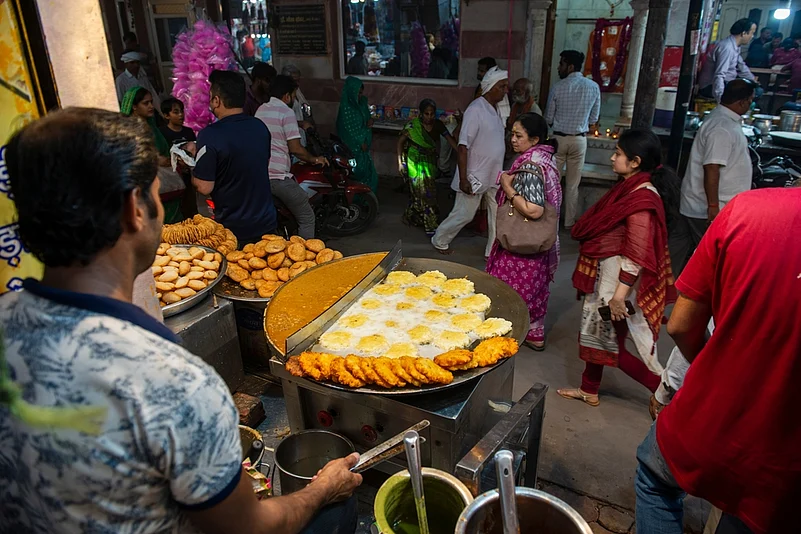
Rising costs associated with overseas holidays, along with campaigns promoting local tourism, are encouraging more Indians to explore destinations within the country. Travellers are increasingly choosing experiences centred on regional culture, food and lesser-known destinations. Ratings agency ICRA forecasts that pan-India premium hotel occupancy will hold at 72 per cent to 74 per cent throughout 2026, building upon the consistent multi-year demand base.
Shift towards value and mid-market offerings:
The surge in domestic travel is also prompting hotel groups to strengthen their presence in the mid-market and budget segments instead of relying heavily on international luxury travellers. Many brands are expanding through homestays, smaller properties and locally rooted experiences, while placing greater emphasis on regional cuisine and culturally driven stays to appeal to a wider domestic audience.
(With inputs from various sources)
FAQs
How is domestic tourism impacting hotels in India?
It is increasing demand for hotels across cities and tourist destinations.
Why are hotels expanding into smaller cities?
More travelers are visiting Tier-2 and Tier-3 destinations.
Which hotel segments are growing fastest?
Budget, mid-range, and boutique hotels are growing rapidly.
How is technology helping hotels?
Online bookings and digital services are improving customer experience.
What trends are shaping the future of hotels in India?
Wellness stays, eco-tourism, and staycations are becoming more popular.