


As tensions continue to escalate across West Asia, the ripple effects are beginning to show across India’s travel and tourism sector. Global crude oil prices have remained volatile amid the conflict involving Iran and disruptions around key shipping routes such as the Strait of Hormuz, leading to rising aviation fuel costs and higher international airfares. Several airlines have also been forced to reroute flights to avoid conflict zones, increasing travel time and operational expenses. The uncertainty has started affecting travel sentiment globally, with outbound travel demand slowing and concerns growing around the long-term impact on tourism, aviation, and foreign exchange outflows.
Against this backdrop, Prime Minister Narendra Modi’s recent appeal urging Indians to reconsider non-essential foreign travel has added another layer to an industry already navigating rising costs and geopolitical instability.
Although the Prime Minister later clarified that the government is not planning any restrictions or additional taxes on overseas travel, travel operators say the message has already affected sentiment in the market. International travel enquiries have slowed in recent weeks, while domestic destinations are seeing increased interest ahead of the summer and festive seasons.
The remarks came at a time when global crude oil prices remain volatile because of tensions involving Iran and shipping disruptions around the Strait of Hormuz, one of the world’s most important oil transit routes. India imports a majority of its crude oil requirements, making sectors like aviation and tourism especially vulnerable to fuel price spikes.


According to reports, outbound travel enquiries in India have fallen by 10-15 per cent following the Prime Minister’s statement and the ongoing geopolitical uncertainty in West Asia. Airlines are also facing higher operational costs because several international routes are being rerouted to avoid conflict zones, increasing both flight duration and fuel consumption.
The industry body, the Federation of Associations in Indian Tourism & Hospitality (FAITH), has acknowledged that outbound travel demand has weakened. Rajiv Mehra, General Secretary of FAITH, said overseas leisure travel has dropped by around 15 to 20 per cent compared to last year’s summer season. Gulf destinations, which account for a significant share of Indian outbound traffic, have seen one of the sharpest declines.
At the same time, FAITH has said the focus should not only be on reducing outbound tourism but also on strengthening inbound tourism, which brings foreign exchange into the country.
The wider concern for the tourism sector is linked to aviation costs. A report by the PHD Chamber of Commerce and Industry estimated that India’s aviation industry could face losses of nearly INR 18,000 crore if disruptions linked to the West Asia conflict continue. The report also projected a 15 to 20 per cent decline in inbound tourism because of higher airfares and uncertainty around international travel.
What Hospitality Experts Are Saying
Speaking to Outlook Traveller, Mehardeep Singh, General Manager, Corporate Affairs, Rubystone Hospitality, said that in India’s domestic travel market, as citizens are considering domestic tourism over international holiday options, we may see a large increase in the hospitality and tourism sectors.
“Over the past few years, the Indian domestic tourism market sector has continued to grow, with various domestic tourism destinations across India (Uttarakhand, Himachal Pradesh, Rajasthan, Goa, and Kerala) experiencing increased levels of domestic tourism, especially on long weekends or on wellness-oriented vacations,” he said.
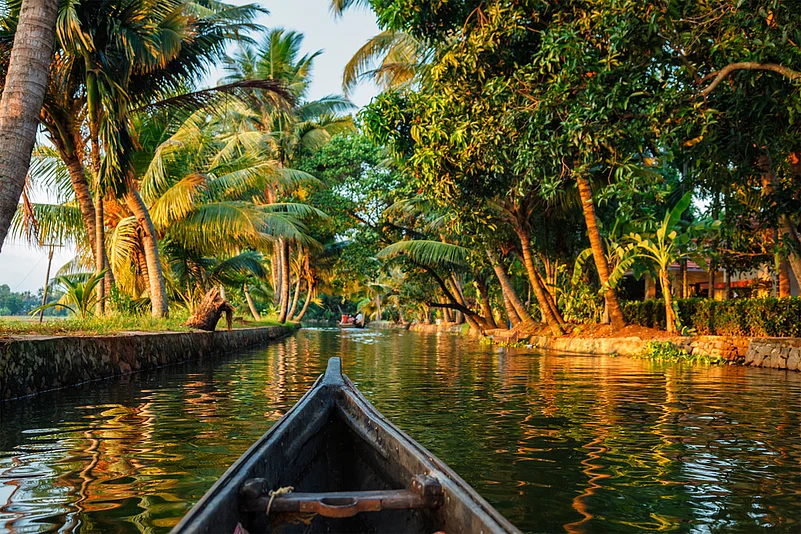
Recent industry reports estimate that approximately 80-85 per cent of India’s total tourism industry is driven by domestic tourism and that over 2 billion domestic tourists have travelled within India in the last few years. After the pandemic, travel behaviour shows that the majority of travel demand was for short-haul leisure trips, staycations, wellness resorts, and nature-based experiences within the country.
“The new trend of travel is expected to benefit hotels, resorts, local transportation suppliers, cafés, and small enterprises in those developing travel regions. Bookings for mountain resorts and spiritual tourism will increase significantly in holiday/festive periods,” commented Singh.
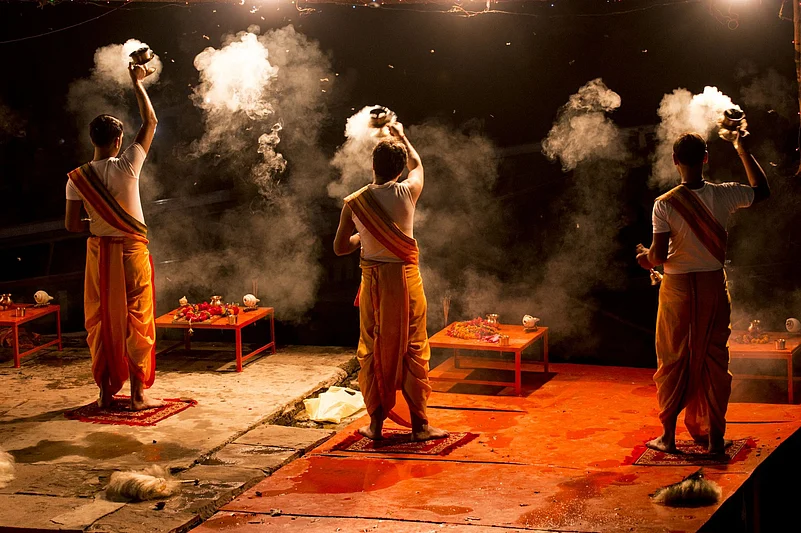
What Is Driving The Family Summer Travel Demand?
Digital travel platform Agoda has reported a rise in domestic family travel searches for the May–June 2026 summer holiday period, with destinations such as Puri (Odisha), Wayanad (Kerala), and Goa emerging among the biggest gainers. Agoda told Outlook Traveller that Puri recorded a 68 per cent rise in searches compared to last year, driven by interest in its beaches and religious tourism, while Wayanad saw a 40 per cent increase as families looked for cooler, nature-led holidays. Goa registered a 29 per cent jump, continuing its popularity among family travellers.
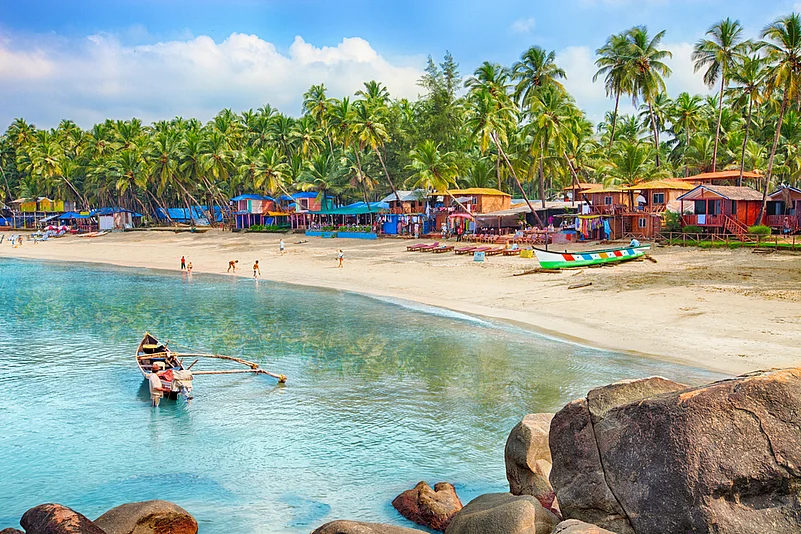
Other destinations seeing increased interest included Rishikesh, which recorded a 22 per cent rise because of its mix of adventure and wellness tourism, along with hill stations such as Mahabaleshwar and Ooty, which saw increases of 15 per cent and 13 per cent respectively.
The shift towards domestic travel is also extending beyond holidays and short breaks. Industry observers say the same factors driving families towards Indian destinations— rising international travel costs, currency fluctuations, and uncertainty around overseas travel— could increasingly influence big-ticket celebrations as well, particularly the destination wedding market.
What Will The Destination Wedding Market Look Like?
India’s destination wedding market, valued at nearly USD 16.25 billion in 2024, now accounts for around 26 per cent of all weddings in the country, up from 18 per cent two years ago, according to Grand View Research. The average destination wedding costs roughly INR 50–55 lakh, with luxury weddings often crossing INR 1 crore, and couples spending nearly 40 per cent more than they do on traditional hometown ceremonies.
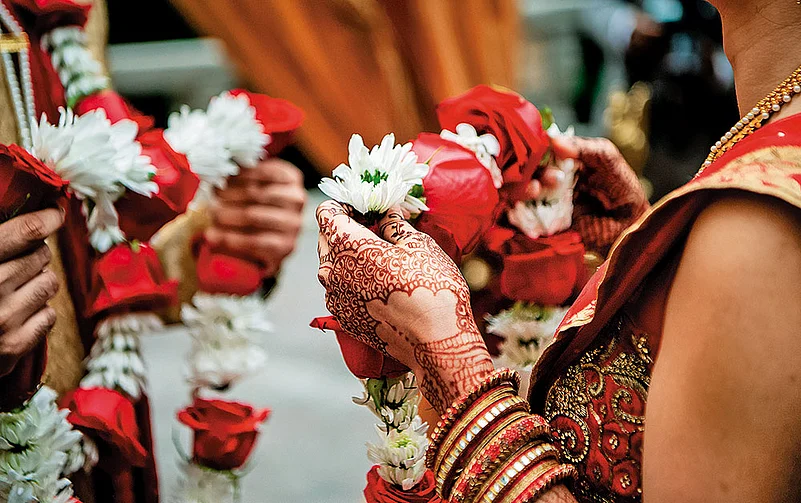
While nearly 89–90 per cent of destination weddings still take place within India, overseas celebrations in destinations such as Thailand, Dubai, Bali, Italy, and Vietnam continue to drive significant outbound travel spending through hotel, aviation and event bookings. Industry estimates place India’s overall wedding economy at around INR 6.5 lakh crore annually, with destination weddings alone contributing close to INR 2.5 lakh crore, making the segment a major part of both domestic tourism and foreign exchange outflow.
Amid global uncertainty and pressure on India’s foreign exchange reserves, Prime Minister Narendra Modi’s recent remarks on hosting celebrations within India have reignited debate around outbound wedding spending.
John Royerr, Founder, Ochre Spirits, said that an estimated INR 15,800 crore from India’s wedding economy goes overseas each year to destinations like Bali, Turkey, and Greece through hotel, catering, and luxury event spending. “The Indian wedding market is among the world’s largest, and retaining even a fraction of that outbound spending could substantially benefit domestic hotels, event companies, caterers, and local artisans while keeping Indian cultural traditions rooted within the country,” he said.
Is Offbeat Travel Becoming The New Mainstream?
Travel companies say many Indian travellers are now reconsidering expensive overseas holidays and shifting towards domestic destinations instead. States such as Himachal Pradesh, Uttarakhand, Kerala, Goa, and Jammu and Kashmir are expected to benefit from the trend if international travel costs remain high through the rest of the year.

The impact is also being reflected in aviation growth numbers. Ratings agency ICRA recently estimated domestic passenger traffic growth at 1.4 per cent year-on-year for FY2026, indicating a slowdown compared to the strong post-pandemic recovery seen over the last few years.
According to Chanak Doshi, founder of Simply Offbeat Holidays, interest in experiential and offbeat travel has risen sharply over the last few years as travellers increasingly look beyond crowded tourist circuits. He said the company has long focused on wildlife, cultural and community-led experiences, but demand had to be created earlier through active promotion. “Now people themselves are asking for experiential tours, community interaction, local art workshops, and cultural activities,” he told Outlook Traveller, adding that younger travellers, including millennials and Gen Z tourists, are also showing growing interest in such holidays.
Doshi said overtourism remains concentrated around mainstream destinations, while nearby lesser-known regions continue to remain underexplored despite offering similar landscapes and richer local experiences. Instead of taking travellers to crowded hubs such as Gulmarg or Sonmarg in Kashmir, he said the company promotes destinations like Gurez, Lolab, Kishtwar, and Bhadarwah, where visitors can participate in Wazwan cooking workshops, interact with local communities and visit relatively uncrowded valleys such as Padri Pass and Jai Valley.

He pointed to similar alternatives across India, including Gholvad village near Daman in Maharashtra, where travellers can attend tribal Tarpa and Vaghpuri dance performances, bamboo craft workshops and Warli art sessions with local artists. In coastal Maharashtra, the company promotes destinations such as Bhogwe, Shiroda and Sagareshwar over busier beach towns like Tarkarli. In Goa, Doshi said many travellers are now opting for heritage walks, local cuisine workshops, island visits, pottery sessions, and nature-based activities instead of conventional nightlife-focused itineraries. In Odisha, regions like Koraput, Deomali, Daringbadi, Rayagada, Bhawanipatna, and Satkosia are slowly emerging as experiential travel destinations.

“The point is that every state in India has unexplored cultural and experiential destinations beyond the regular tourist circuit,” said Doshi.
In Himachal Pradesh, he pointed to places such as Kotkhai and Pabbar Valley instead of commercial hubs like Shimla and Manali. In Nagaland, he highlighted destinations including Longwa, Leshemi, Mezoma, Kiruphema, and Hongphoi villages.
Lingthem, Uttarey, Dzongu, Kaluk, and Sumbuk in Sikkim, along with Mechuka, Thembang, Hong, Tuting, Anini, and Dong in Arunachal Pradesh, were among the lesser-known destinations that are increasingly attracting travellers looking for slower, experience-led holidays beyond the regular tourist circuit.
Doshi added that while six or seven out of 10 travellers now express interest in experiential holidays, only a smaller number currently convert into actual bookings, though the segment is steadily growing.

For many in the travel industry, this shift towards slower, experience-led domestic travel is also being driven by economics. As international holidays become increasingly expensive and unpredictable, travellers are beginning to look at closer, less commercial destinations within India that offer longer stays, local interaction, and lower overall costs. Tour operators say this change is becoming more visible among younger travellers and families who are prioritising value and flexibility over conventional overseas itineraries.
Industry executives say the concern is not just about immediate airfare increases but the possibility of prolonged instability affecting consumer spending and travel plans. International travel has become more expensive because of a combination of fuel prices, weaker currency exchange rates and operational disruptions for airlines.
The Prime Minister’s remarks are therefore being seen within the industry as part of a broader economic signal around conserving fuel and reducing pressure on foreign exchange outflows during a volatile global period.
For domestic tourism operators, however, the shift could offer an opportunity. Hotel groups and state tourism boards are already expecting stronger domestic movement as travellers increasingly choose shorter and more affordable holidays within India over international trips.
FAQs
1. How is the West Asia conflict affecting Indian travellers?
The conflict has increased fuel prices and airline rerouting costs, leading to higher international airfares and slower outbound travel demand.
2. Why are more Indians choosing domestic holidays?
Rising overseas travel costs, volatile airfares, and economic uncertainty are encouraging travellers to explore destinations within India instead.
3. Which Indian destinations are benefiting from this shift?
States like Himachal Pradesh, Uttarakhand, Kerala, Goa, Jammu and Kashmir, and several offbeat regions are seeing growing interest.
4. How are destination weddings being affected?
Industry experts say global uncertainty and rising travel costs may encourage more couples to host destination weddings within India instead of overseas locations like Bali or Dubai.
5. What is experiential travel and why is it growing in India?
Experiential travel focuses on local culture, food, community interaction, workshops, and slower travel experiences, which are becoming increasingly popular among younger travellers.


