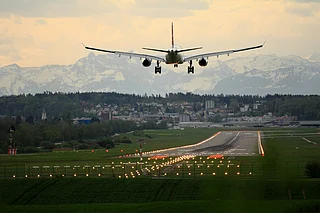


Travel across the Middle East has looked very different in 2026. Airspace disruptions, cancelled flights and security concerns have affected destinations across the region, but not in the same way. While some destinations have seen a sharp drop in demand, others are continuing to attract travellers.
Egypt is one of the biggest winners in Wego’s 2026 travel rankings. At the same time, India continues to hold a strong position, while destinations such as Pakistan, China and Nepal are seeing some of the biggest gains.
Egypt Continues To Lead


Egypt has remained the most searched international destination among Middle East travellers in Wego’s rankings for the 12th year in a row. Egypt, India and Saudi Arabia have also held the top three positions for the past five years.
The country has had a strong year on the tourism front. Egypt received 5.6 million inbound visitors in the first quarter of 2026, up 43.5 per cent year on year, according to figures cited by Wego from Egypt’s tourism ministry and statistics agency.
Tourism revenue also reached around USD 8 billion in the first half of the year. European travellers have been an important part of this growth. French arrivals to Egypt rose 22 per cent, while Italian arrivals were up 15 per cent during the periods reported by Egypt’s tourism ministry.
And it is not difficult to see why Egypt continues to appeal. There is plenty to choose from, whether it is a Red Sea holiday, a Nile cruise, a few days in Cairo or a trip to Luxor and Aswan. Travellers can also combine several of these experiences in one trip. That variety has worked in Egypt’s favour at a time when travel across the region has become more complicated.
India Holds On To Second Place
India remains the second-most searched international destination among Middle East travellers, behind Egypt and ahead of Saudi Arabia. The three destinations have held these positions for five consecutive years.
There is another positive signal for the region. The Indian Subcontinent was the fastest-growing region in Wego’s analysis, with searches up 19 per cent year to date. It was one of only two regions tracked by Wego to record growth.
When Flights Become The Problem
For many travellers, the biggest issue this year has not been whether a destination is open. It has been whether they can actually get there. Wego found that flight bookings from the Gulf fell to 63 per cent of last year’s level within a week of the airspace restrictions and flight disruptions that began in late February.
But searches did not fall in the same way. People were still looking at destinations and planning trips. They just could not always fly. Bookings recovered to last year’s levels in early May, before another period of disruption in June. By July, summer travel was beginning to return to normal.
It is a useful reminder that connectivity can make or break a holiday plan. A destination can remain popular, but fewer flights or difficult connections can quickly change a traveller’s decision.
Not Everyone In The Region Is Seeing The Same Recovery
The numbers from different countries make this even clearer. Jordan’s tourism income reached USD 4.418 billion in the first seven months of 2026, almost matching last year. But tourism income from European visitors fell 24.7 per cent. At the same time, spending from Arab and Asian visitors increased.
Oman saw an even sharper fall in European hotel guests during March and April. Israel recorded 5,50,600 visitor arrivals between January and July, compared with 7,07,900 during the same period last year.
Qatar, meanwhile, continued to attract European travellers. Of the 2.338 million visitors it received between January and August, around 4,86,000 came from Europe. So, it is difficult to talk about a single “Middle East tourism trend” anymore.
Better Connections Can Change The Picture
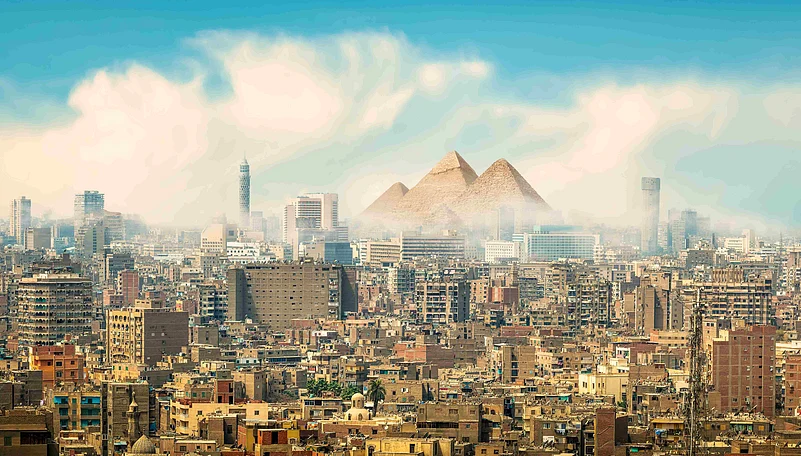
Wego’s rankings also show how much easier access can help a destination. Nepal moved up eight places, the biggest jump in the rankings. China, Vietnam, Sudan and Kenya each climbed seven places. Pakistan has made an even bigger longer-term jump, moving from 21st place a decade ago to fourth today.
Better air connections and easier visa rules have helped some of these destinations. China, for example, has benefited from expanded visa-free access for GCC nationals, while Vietnam has seen more direct flights from the Gulf.
Not every destination has had the same luck. Search demand for Azerbaijan fell 39 per cent and Georgia fell 29 per cent. Europe as a whole saw a 20 per cent decline in searches, while the Indian Subcontinent grew 19 per cent.
Travellers Are Changing The Way They Travel
There have been some interesting changes in travel behaviour too. One-way international flight searches jumped from 57 per cent before the disruption to 76 per cent in March. Airfares also climbed, reaching a peak in June when average prices were 23 per cent higher than a year earlier. By August, however, they had almost returned to normal.
Hotels tell a similar story. Domestic hotel bookings increased 37 per cent, while international hotel bookings fell 9 per cent.
For the rest of 2026, connectivity, cost and ease of travel are likely to remain important. And Egypt appears well placed to benefit. Its mix of beaches, history, cities and Nile experiences, along with growing interest from European travellers, gives it an advantage.
The bigger story, though, is that travellers are not simply choosing whether or not to visit the Middle East. They are choosing where within the region they feel most comfortable travelling, and that is reshaping the map of Middle East tourism in 2026.
(With inputs from various sources)
FAQs
1. Is Egypt a popular Middle East destination in 2026?
Yes. Egypt has remained the most searched destination in Wego’s Middle East travel rankings for the 12th consecutive year, according to the article.
2. Why is Egypt tourism growing in 2026?
Egypt’s combination of Red Sea beaches, Nile cruises, Cairo, Luxor and Aswan gives travellers several experiences to combine in one trip. The country has also seen increased arrivals from European markets.
3. How much did French arrivals to Egypt increase?
French arrivals to Egypt rose by 22 per cent during the period reported by Egypt’s tourism ministry.
4. How much did Italian arrivals to Egypt increase?
Italian arrivals increased by 15 per cent during the period reported by Egypt’s tourism ministry.
5. How much tourism revenue did Egypt record in the first half of 2026?
Egypt recorded around USD 8 billion in tourism revenue in the first half of 2026, according to the article.