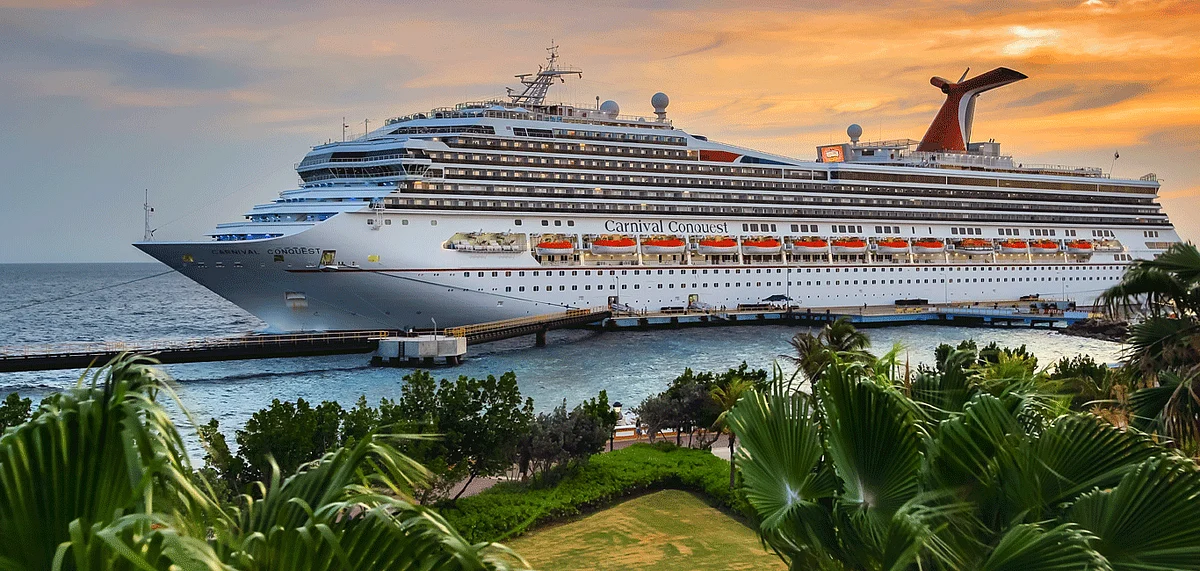
Here’s a detail that tells you where Indian cruising is headed. Mumbai Port has secured eight international cruise calls for 2026-27 from premium and luxury operators, including Celebrity, Oceania, Crystal, Silversea, and Regent Seven Seas. That’s a big step for a port that handled about 240,000 cruise passengers across 95 calls last financial year, much of it on domestic coastal trips.
Luxury lines don’t send ships halfway round the world on a hunch. Somebody has to book those suites.
Industry watchers point to two groups. HENRYs, short for “high earners, not rich yet,” is a label that traces back to a 2003 article by veteran American business journalist Shawn Tully. These are professionals whose salaries have raced ahead of their savings. DINKs are double-income couples with no kids, which means no school fees and no school-holiday calendar to plan around. India has no official income cut-off for either, and plenty of couples are both. But Akansha Agarwal, co-founder and CMO of Int2Cruises, says that once they’re on a booking page, the two behave quite differently.
Small Market, Big Appetite
First, some perspective. India recorded 477,676 cruise passengers in 2025, and about 89 per cent of them were domestic travellers. India’s cruise penetration stands at just 0.01 per cent of the population, compared with 5.7 per cent in North America, according to InCred Money’s analysis of the Cordelia Cruises IPO. The Cruise Bharat Mission targets an 800 per cent expansion of the market over the next decade.
The world outside is already moving. CLIA counted a record 37.2 million cruisers in 2025 and forecasts 38.3 million this year. Speaking at CLIA’s UK conference, its global chief said about 40 per cent of cruisers are now Gen Z or Millennials, and they’re drawn to expedition and luxury.
What do Indians actually book? Int2Cruises’ India Cruise Trends Report 2025-26 shows that, as Agarwal put it, “77 per cent of Indian cruise travellers choose 3–5-night itineraries, while 66 per cent cruise every year and another 27 per cent cruise once every two years.” Asia makes up more than 70 per cent of the company’s bookings, with Singapore as the main gateway. Thomas Cook India sees the same appetite for short trips: demand for 3-7-night itineraries across Southeast and West Asia, especially from first-time cruisers.
Is the high-earning crowd behind all this? Agarwal sees HENRYs and DINKs as part of a broader shift towards repeat cruising, not the sole cause of it.
Suite Or Balcony?
The real split shows up in the choice of cabin. Agarwal put indicative spend for HENRYs at “around USD 3,500 per person” and for DINKs at “around USD 2,000.” HENRYs go for suites, higher-category cabins, and big premium ocean liners. DINKs pick balconies, smaller or more relaxed ships, and sailings outside peak weeks.


That USD 1,500 gap isn’t only about who earns more. HENRYs’ spending tends to expand with their income, often faster than it does. They’re also fond of credit-card rewards for extensive travel. So a HENRY cruise booking often has a spreadsheet behind it. Agarwal said they use loyalty points, card benefits, and status to extract more value from a premium fare. The suite is a purchase to be optimised, not just enjoyed.
DINKs play a different game. With no school calendar, they can sail when ships and ports are quieter, and they’ll build a trip around a natural phenomenon, a concert, or a big match. It isn’t a uniquely Indian habit. A Hotels.com survey of American couples found 70 per cent of DINKs prefer autumn holidays, and 44 per cent put extra cash into travel, luxury stays and gourmet dining.
Know Where, Book Late
Here’s a quirk of Indian cruisers. They make up their minds early and book late. Agarwal said, “82 per cent of Indian travellers decide their cruise destination in advance, yet 69 per cent of bookings are made within 90 days of sailing.” In Asia, 47 per cent of bookings are made within 45 days of departure. Even on long-haul trips, 72 per cent book within 120 days.
Globally, people plan further out. According to Int2Cruises, 40 per cent of cruisers book three to six months ahead and another 24 per cent book more than six months before sailing. Only about 31 per cent book within one to two months.
Why does it matter? Cruise fares are dynamic and move with demand and cabin availability. That’s the pitch for Int2Cruises’ Price Alert, which lets travellers follow a sailing and see whether its fare is going up, down, or sideways as the date nears.
In theory, a flexible DINK could wait for a dip and spend the savings on a better cabin or extras. A HENRY eyeing a suite on a premium ship, where there are only so many, has more to lose by waiting.
What “Luxury” Means Now
Ask Agarwal what travellers will pay a premium for, and the answer has moved on from bigger rooms and higher decks. It’s now better dining, distinctive shore experiences, wellness, cultural immersion, expedition itineraries, and simply more time and space to explore without rushing. She also sees growing interest in longer-haul, purpose-driven trips, from Europe and Alaska to Antarctica.

The global data backs that up. CLIA’s 2026 report notes growth in luxury, expedition, and exploration travel, and rising demand for curated shore excursions, cultural engagement and more time in destinations. Global Hotel Alliance’s outlook for 2026 says luxury now blends five-star stays with personalised service, gourmet dining and flexibility, and ranks India among the top three markets for leisure travel growth.
The supply side is moving regardless. Cordelia Sky is due to start sailing from Mumbai in October 2026, becoming the fourth cruise ship homeported there. The suites and balconies are coming. Whether they fill up will depend on whether the lines work out what a HENRY wants from a cabin and what a DINK wants from a calendar. They’re after different things.
FAQs
1. What are HENRYs in travel?
HENRY stands for “high earners, not rich yet”. In the cruise market, the term is used for high-earning professionals who may spend more on premium cabins, suites and luxury travel experiences.
2. What does DINK mean in travel?
DINK stands for “double income, no kids”. In travel, the term generally refers to couples with two incomes and no children, giving them greater flexibility around travel dates, destinations and spending.
3. How are HENRYs and DINKs different when booking cruises?
According to Int2Cruises co-founder Akansha Agarwal, HENRYs tend to favour suites, higher-category cabins and premium ocean liners, while DINKs are more likely to choose balcony cabins, smaller ships and travel outside peak periods.
4. How popular is cruise travel in India?
India recorded 477,676 cruise passengers in 2025, with around 89 per cent travelling on domestic cruises. Cruise penetration remains low compared with North America, indicating significant room for market growth.
5. What are Indian travellers looking for in luxury cruises?
Indian cruise travellers are increasingly interested in better dining, distinctive shore excursions, wellness, cultural experiences and expedition itineraries, alongside premium cabins and personalised service.