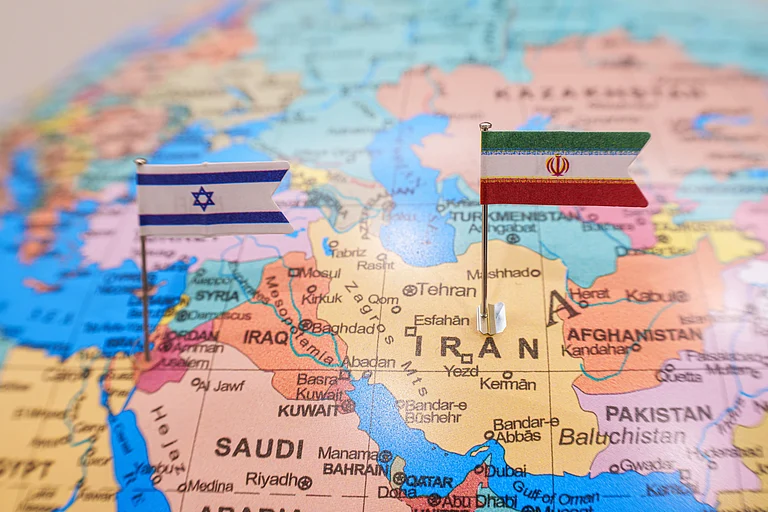


Air travel across the Middle East has now been thrown off course for four straight days, as tensions involving Iran continue to shake up global aviation. Several major Gulf airspaces, including those over the United Arab Emirates, remain only partially open after retaliatory strikes forced authorities to shut large sections of the skies. Numerous flights have been cancelled due to this situation, resulting in many aircraft being grounded, and thousands of passengers are still stranded, waiting for news. Some restricted, monitored areas have been opened back up by officials for essential flights (for example, repatriating individuals), but normal operations are far from normalcy. Government agencies and Indian airlines are currently working around the clock to return citizens home amid the current uncertainty.
UAE Airports Resume Limited Flights Under Heavy Restrictions
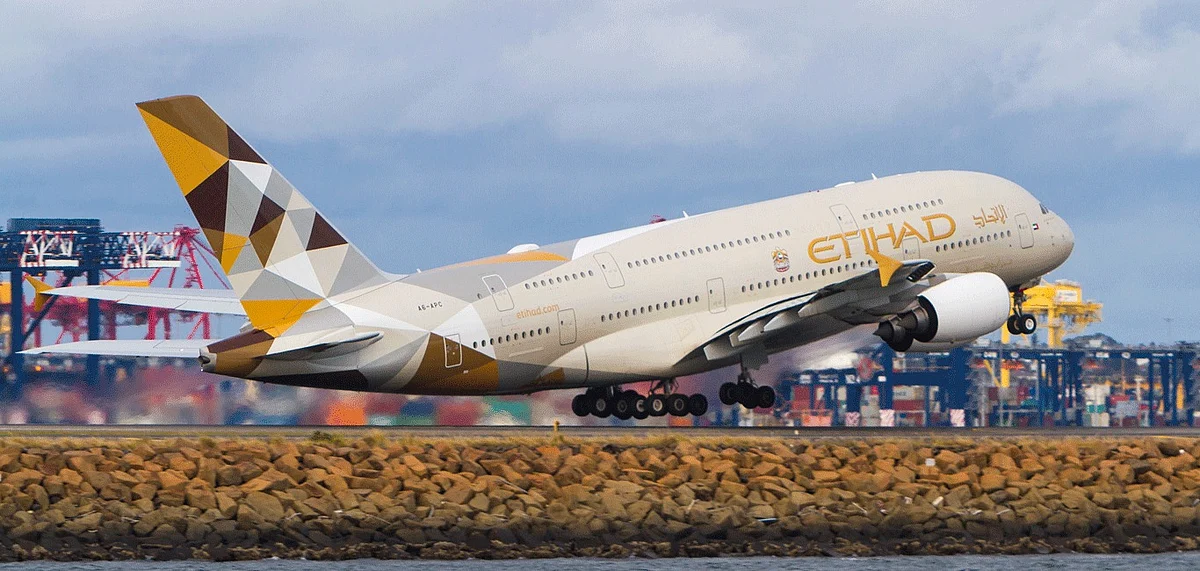
Commercial air traffic, delayed almost completely for more than two days, has come to function very gradually, with some of the major air transport hubs in the UAE, including Dubai International Airport and Dubai World Central International Airport, permitting limited commercial operations again. Very few flights will be permitted and therefore subject to rigorous security checks and flight restrictions. The airlines operating in this region, Emirates and FlyDubai, will begin limited commercial fare service, primarily for flights that were already scheduled on their timelines. Emirates, FlyDubai, and Etihad are operating select flights in the evening as they prepare to bring full service back to operations after a very long period without operating at all under their usual terms.
Even with this gradual restart, things are far from normal. Every movement depends on real-time security reviews, and schedules can change at short notice. Additional flights to and from select destinations were reported on March 3.
Indian Carriers Ramp Up Special Repatriation Flights
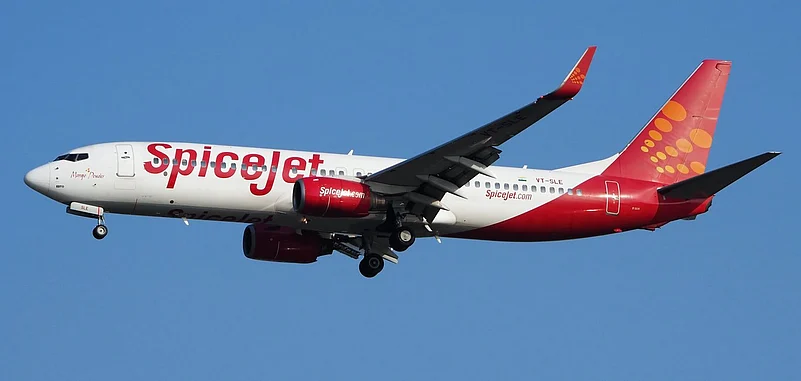
Indian airlines are actively involved in evacuation efforts to return stranded travellers from affected Middle East airports. IndiGo has scheduled 10 special relief flights from Jeddah on March 3 to ferry passengers home after days of cancellations due to restricted airspace. These flights are aligned with Indian consulates, and their execution is dependent on continuing approvals of landings and airspace. In addition, SpiceJet has announced four new flights from Fujairah in the UAE, specifically for the purpose of bringing back stranded Indian citizens who were unable to fly home on regular flights due to the disruption in the air traffic system. These flights are part of coordinated government efforts to bring back national citizens who have been adversely affected by the disruption in travel.

Flights are also being flown by many international carriers to assist with this situation. Multiple governments, like those of the United Kingdom and several other European countries, have considered or are conducting evacuation efforts for their citizens. Types of evacuation efforts may include charter or diplomatic flights.
Widespread Cancellations And Government Evacuation Readiness
Due to escalating conflict, extensive air travel disruptions persist, as Gulf and regional airspace remain closed following the outbreak of violence. Airline operators such as Air Arabia and Etihad cancelled flights from various locations on multiple occasions during this period, but have since resumed operations. The international airport systems remain affected by both the closure of airspace and possible further impacts caused by cancellations at carriers, including Emirates Airlines, which has cancelled a large number of flights during this period.
The Government of India has indicated publicly that they are prepared to assist Indian citizens who may need to return home from the Gulf area; there are also efforts by Indian embassies to assist families and workers with contacting appropriate government agencies in an effort to assist them. The safety of all who were affected is the primary concern of Indian Government ministries, which continue to review and monitor passenger movements between countries in their efforts to continue to provide safe assistance to all who have been impacted.
In fact, major airports in India, like the Chhatrapati Shivaji Maharaj International Airport and Indira Gandhi International Airport, reported significant cancellations in the early days of February and March, affecting international flights to and from the Middle East and causing ripple effects in scheduling and routing worldwide. These cancellations have included routes to Europe that normally transit through Gulf airspace, forcing rerouting and adjustments by airlines to ensure operational continuity.
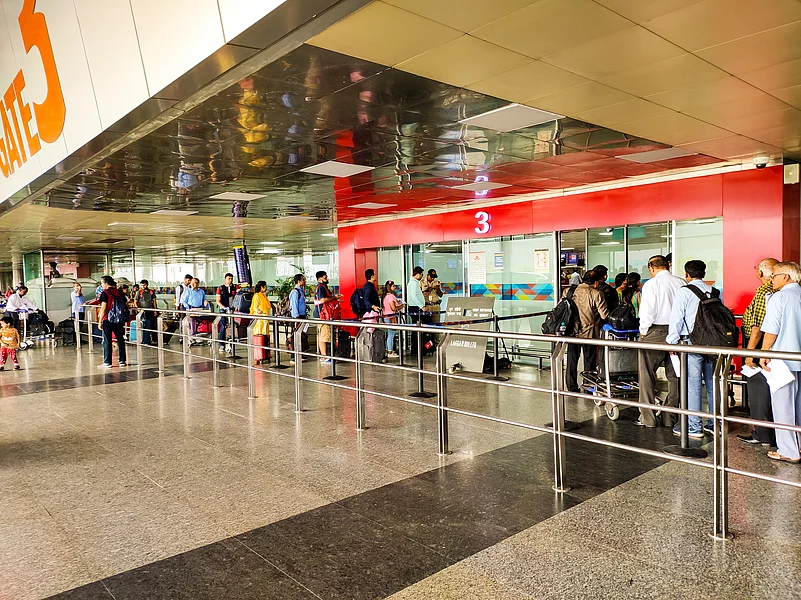
Passengers are advised to check with their airlines before making travel arrangements to the airports because of the rapidly changing schedules. Many airlines are providing full refunds or rescheduling options without additional charge for reservations affected through early March, thereby alleviating some of the financial and logistical burden on stranded passengers. Government and airline call centres, along with airport assistance personnel, are actively working to answer questions and facilitate travel when and where possible.
(With inputs from various sources.)
FAQs
1. Are flights operating from the UAE right now?
Limited commercial flights have resumed at major UAE hubs including Dubai International Airport and Dubai World Central International Airport under strict security and airspace restrictions.
2. Which airlines have restarted services in the UAE?
Airlines including Emirates, flydubai and Etihad Airways have cautiously resumed select operations.
3. Is India operating evacuation flights from the Middle East?
Yes. IndiGo has scheduled special relief flights from Jeddah, while SpiceJet announced evacuation services from Fujairah to bring stranded Indian citizens home.
4. Are Indian airports affected by Middle East disruptions?
Major Indian hubs such as Indira Gandhi International Airport and Chhatrapati Shivaji Maharaj International Airport have reported cancellations and rerouting of international flights linked to Gulf airspace restrictions.
5. Can passengers get refunds for cancelled Middle East flights?
Most airlines are offering full refunds, fee waivers or free rescheduling for flights impacted by the crisis. Travellers are advised to check directly with their carriers for updated policies.