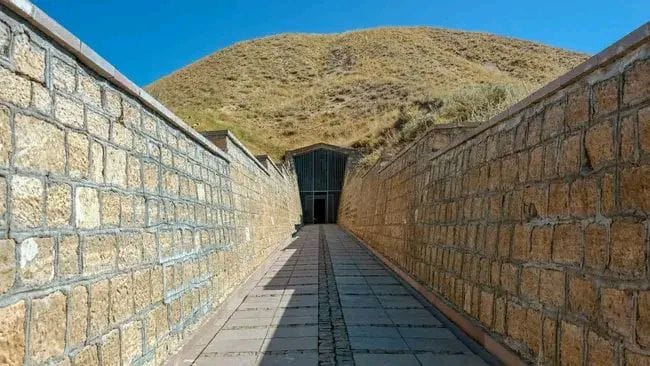


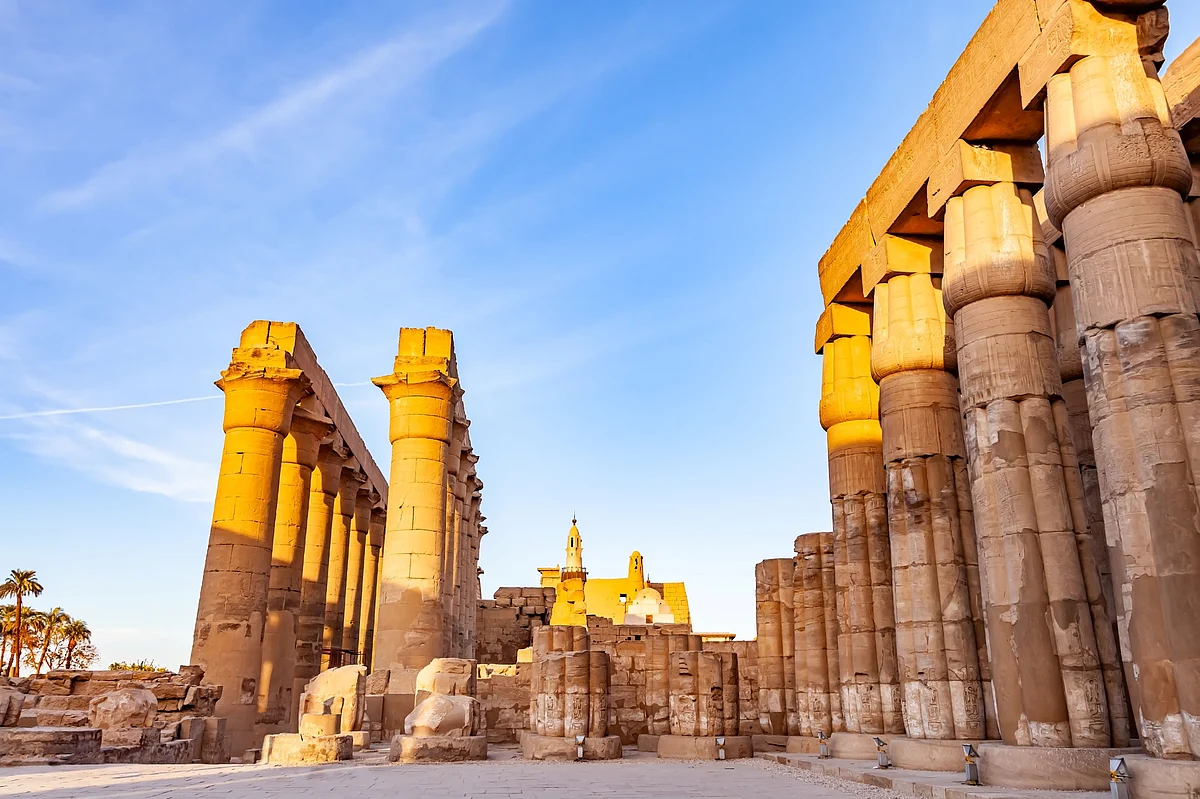
Archaeologists have discovered a previously unknown, 3,000-year-old tomb on the west bank of Luxor, Egypt's Ministry of Tourism and Antiquities announced, marking the latest in a steady run of finds the government hopes will draw more visitors to the country. The rock-cut tomb belonged to a man named Paser and dates to the Ramesside Period, the era spanning Egypt's 19th and 20th dynasties, roughly 1292 to 1069 BCE.
A Dutch Mission's Latest Find In Sheikh Abd el-Qurna
The tomb was found by a Dutch archaeological mission from Leiden University, led by Dr Carina van den Hoven, working in the Lower Sheikh Abd el-Qurna area of the Theban Necropolis on Luxor's West Bank. The mission has operated at the site since 2018 in partnership with Egypt's Supreme Council of Antiquities, running a long-term program of excavation, conservation, and risk management aimed at producing the first comprehensive archaeological study of that part of the necropolis.
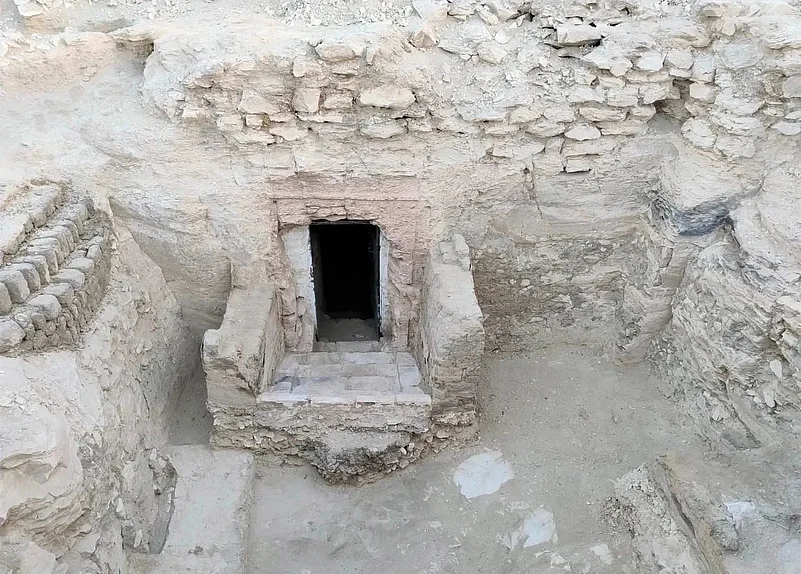

The newly found tomb sits just east of Theban Tomb No. 45. Egyptian officials, including Supreme Council of Antiquities Secretary-General Hisham El-Leithy and antiquities sector head Mohamed Abdel Badie, said the structure follows the classic layout of private Theban tombs from the New Kingdom: an open forecourt leading into a rock-cut chapel built on an inverted T-shaped plan, with burial chambers cut into the bedrock below. Archaeologists also identified a mudbrick bench in the courtyard, likely once used to hold a funerary stela.
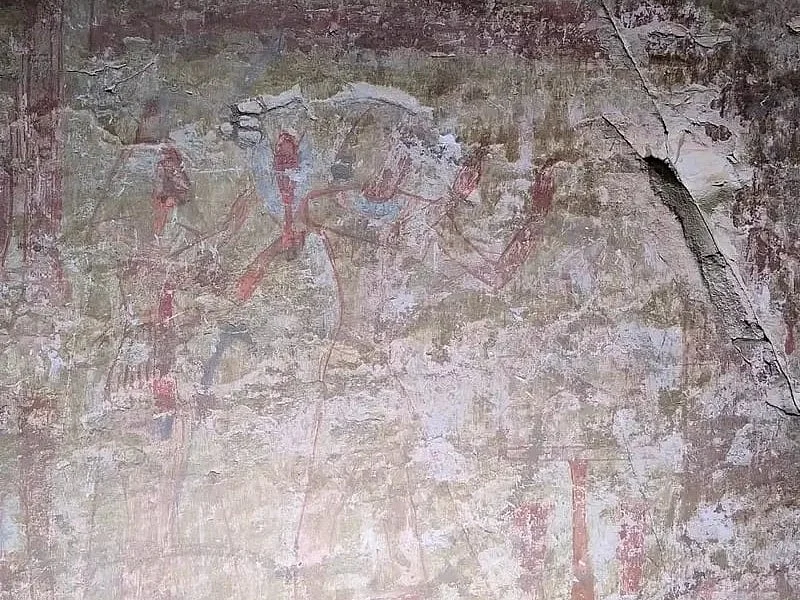
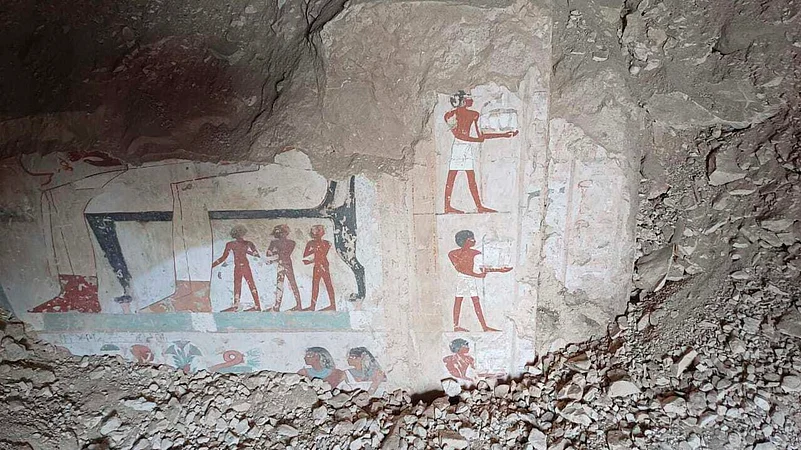
Painted decoration inside the chapel carries the name Paser, and although some of the artwork remains covered by a thin layer of soil, visible scenes show the tomb's owner worshipping various deities and seated beside his wife at an offering table. The style of that decoration is what led researchers to date the tomb to the Ramesside Period rather than an earlier phase of the New Kingdom.
Van den Hoven said upcoming excavation seasons will shift towards stabilising the tomb's structure and restoring its painted walls, work that should reveal more about Paser, his family, and the broader community buried in this section of Thebes. El-Leithy added that the team will keep documenting and studying the tomb to identify everyone interred there and reconstruct their biographies, while placing the find within the wider history of the Sheikh Abd el-Qurna cemetery. Sheikh Abd el-Qurna is part of the Theban Necropolis, a UNESCO World Heritage Site long known for its concentration of tombs belonging to New Kingdom priests and officials.
Part Of A Broader Wave Of Egyptian Discoveries
The Paser tomb is only the most recent entry in a run of announcements Egyptian authorities have used to spotlight the country's archaeological output and support its tourism sector, a major source of foreign currency. Just last year, the tomb of pharaoh Amenhotep III near Luxor reopened to visitors after more than two decades of restoration, showcasing paintings of the ruler, who reigned from roughly 1390 to 1350 BCE, alongside depictions of ancient Egyptian gods.
In May 2025, Egyptian archaeologists working in the Dra Abu al-Naga necropolis, also in Luxor, unveiled three New Kingdom tombs belonging to officials named Amum-em-Ipet, Baki, and a figure identified only as "S," each holding titles ranging from temple supervisor to mayor of Egypt's northern oases. That announcement came ahead of the full opening of the Grand Egyptian Museum near Cairo.
Saqqara, the vast necropolis south of Cairo, has also remained one of the country's most active dig sites in recent years, with Egyptian-led excavations turning up hundreds of sarcophagi and mummies, some with painted decoration still vividly preserved after more than 2,500 years. Egyptian officials have framed the Paser discovery, like these earlier ones, as evidence that the Theban Necropolis and other major sites still hold significant finds, even after more than a century of modern excavation.
(With inputs from various sources)
FAQs
1. Where was the tomb of Paser discovered?
The tomb was discovered in the Lower Sheikh Abd el-Qurna area of the Theban Necropolis on Luxor's West Bank in Egypt.
2. How old is the tomb of Paser?
Archaeologists date the rock-cut tomb to around 3,000 years ago, during the Ramesside Period (19th and 20th Dynasties).
3. Who discovered the tomb?
A Dutch archaeological mission from Leiden University, led by Dr Carina van den Hoven, uncovered the tomb during ongoing excavations.
4. Why is the discovery significant?
The tomb adds to a growing number of archaeological discoveries in Egypt, offering fresh insights into New Kingdom officials while supporting the country's heritage tourism initiatives.
5. Can tourists visit the tomb?
No. The tomb is currently under excavation and conservation, with researchers working to stabilise the structure and restore its wall paintings before any public access is considered.