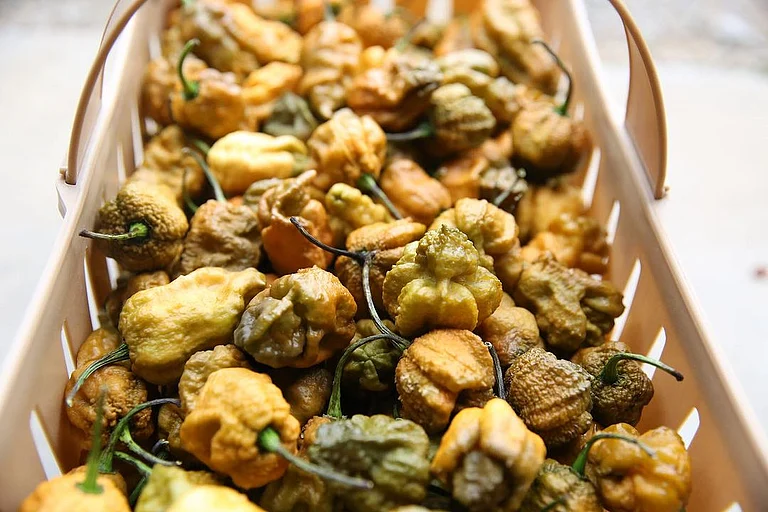


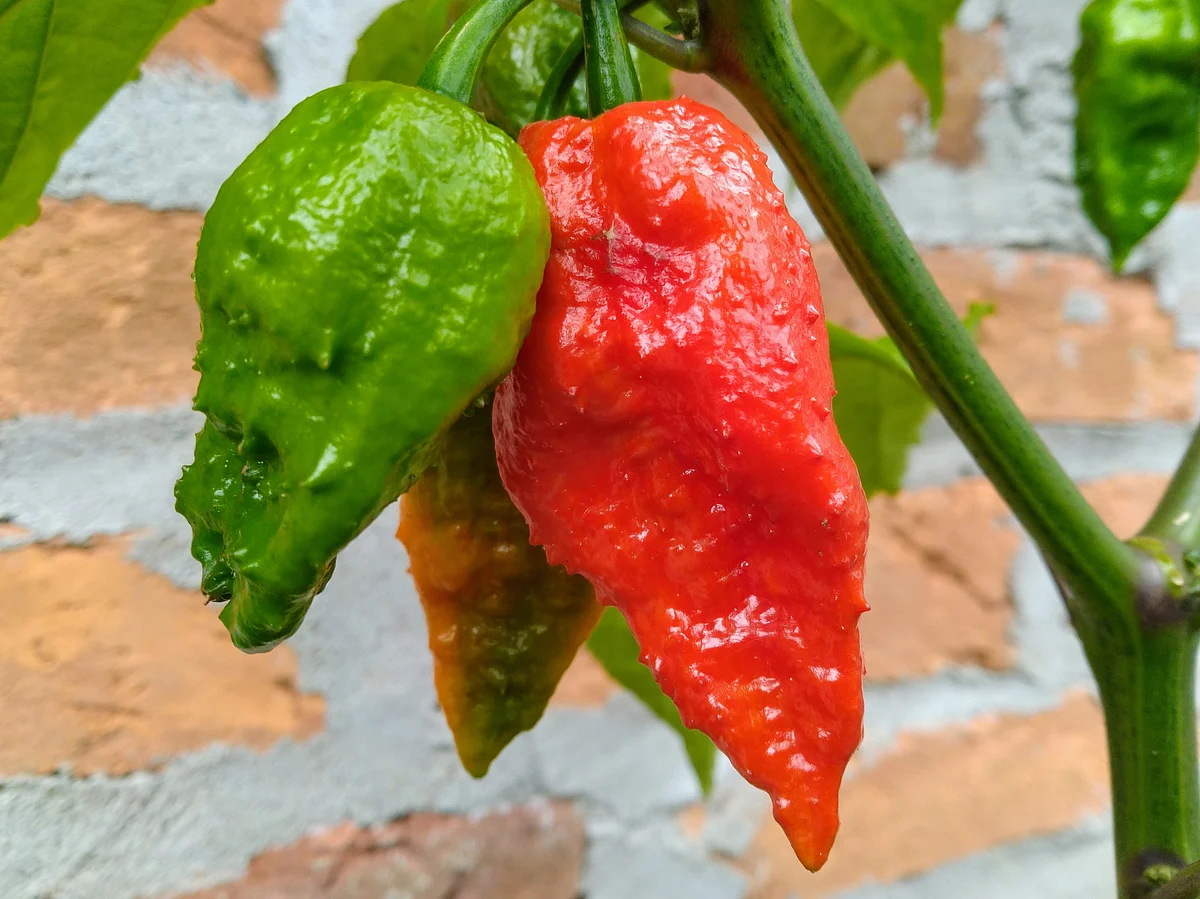
The chilli, which is 400 times hotter than Tabasco and 200 times hotter than a jalapeño, is the Naga Jolokia. Also known as the ‘Ghost Pepper’ or ‘King Chilli’, this exceptionally hot variety originates from the beautiful northeastern state of Nagaland. It is also cultivated in Assam and Manipur, where it is locally known as Bhut Jolokia and U-Morok respectively.
The ‘ghost’ name comes from the pepper’s ability to torment anyone who eats it whole. Naga warriors believed the chilli provided them with strength in battle, and it was traditionally used as a remedy for colds and sore throats.
For centuries, indigenous communities have used this pepper as a natural food preservative and flavour enhancer. In Assamese and Naga kitchens, the pepper appears in curries, stews, pickles and chutneys, though typically in small quantities due to its potency. It also features in traditional fermented fish preparations and meat dishes.
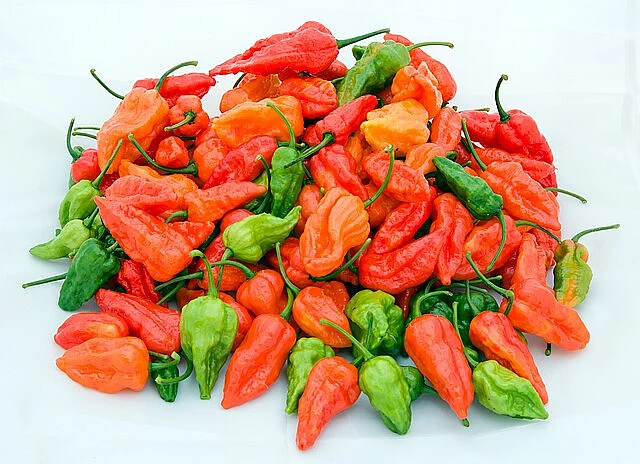

During the monsoon, tribal communities smoke-dry these peppers to create a spice that helps preserve food through the winter. This is largely due to the King Chilli’s short harvesting window in Assam it runs from May to July, while in Nagaland and Manipur it lasts from August to October. The smoke-drying process removes moisture to prevent spoilage, intensifies the heat and flavour, and produces a shelf-stable ingredient using traditional wood fires that impart a distinctive smoky note.
This legendary pepper is so fierce that in 2007, Guinness World Records recognised it as the world’s hottest chilli, and in 2008 it received the prestigious Geographical Indication (GI) tag for Nagaland. This certification protects its authenticity and ensures that only peppers grown in specific northeastern regions can carry this legacy.
You may be surprised to learn that the Indian Army has utilised this pepper to develop a grenade known as the ‘chilli grenade’ or ‘capsigrenade’, which serves as a non-lethal tool for crowd and riot control. It is also used in the production of medicines such as pain relief ointments and anti-inflammatory treatments, owing to its high capsaicin content.
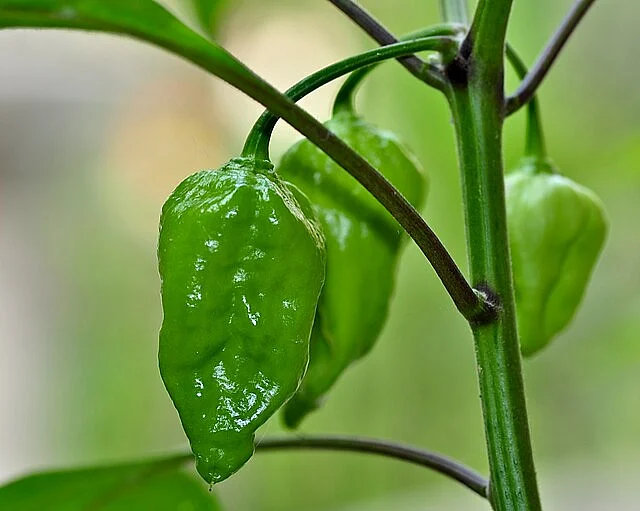
This officially recognised superhot chilli represents India’s remarkable biodiversity and rich cultural heritage.