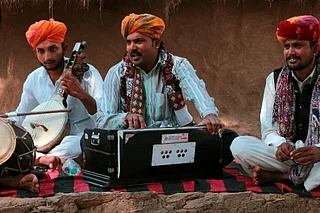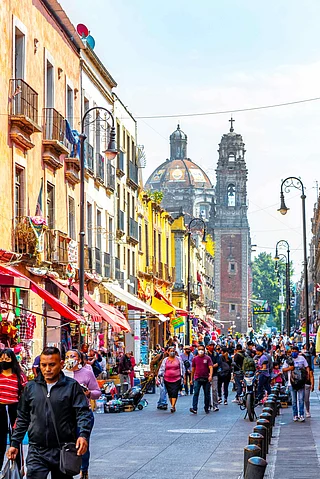


There are two kinds of travellers in the world: the ones who book flights around hotel deals, and the ones who impulsively cross continents because they saw a video of strangers dancing in the rain at 2 AM somewhere in Malaysia. This list is for the latter.
The world’s most memorable festivals are rarely the loudest on social media. They are the ones that temporarily rearrange a city’s heartbeat—the kind where ancient streets stay awake until dawn, where music spills into alleyways, where theatre takes over medieval courtyards, and where entire communities seem to collectively decide that sleep is optional for a week.
Yes, Coachella and Cannes will always have their moment. But beyond the mainstream circuit lies a different kind of cultural calendar: festivals that feel immersive rather than performative, rooted rather than manufactured. The kind that leaves you returning home with muddy shoes, no voice, and a suspicious number of emotional revelations.
From Roman ruins lit by poetry readings to indie concerts deep in Arunachal Pradesh, these are the cultural festivals around the world worth booking a flight for.
Ziro Festival Of Music
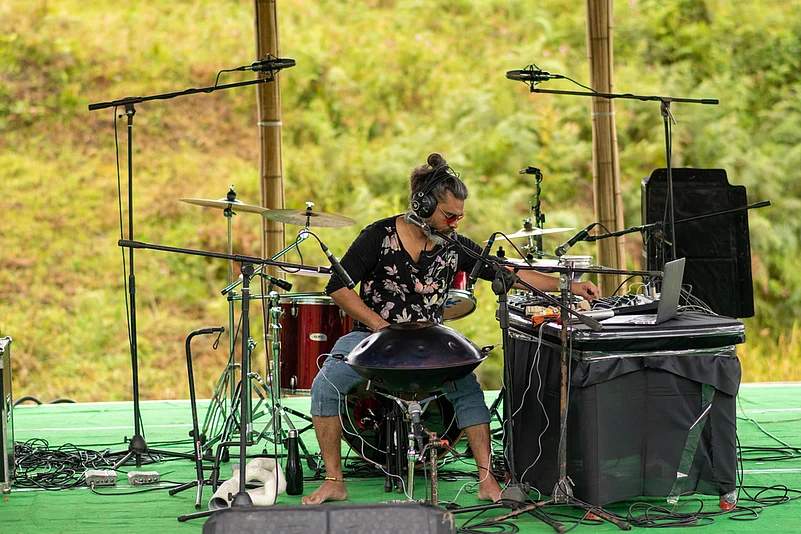

Ziro feels less like an event and more like stumbling into a very beautiful secret. Set in Arunachal Pradesh’s Ziro Valley, surrounded by pine forests and Apatani villages, the festival brings together indie artists from across India and beyond for four days of music under impossibly open skies. What makes it special isn’t just the lineup—it’s the atmosphere. People slow down here. Mornings begin with mist rolling over rice fields; nights end around bonfires and impromptu jam sessions. Camping is part of the experience, and getting there requires effort, involving flights, road journeys, and an Inner Line Permit, but that’s precisely the point. Ziro rewards travellers willing to go slightly off-grid.
Gion Matsuri
Kyoto in July feels suspended between ceremony and spectacle. Gion Matsuri, one of Japan’s oldest festivals, has taken over the city every summer for more than a thousand years, centred around elaborate Yamaboko floats that glide through the streets during the grand procession. But the magic lies equally in the details: lantern-lit alleys, locals in yukata, the smell of grilled street food drifting through humid evening air. Entire neighbourhoods open up for celebrations, transforming Kyoto into something softer and more intimate than its famously orderly reputation suggests. Accommodation disappears months in advance during the festival period, so planning ahead is essential. Stay close to Gion or Kawaramachi if possible—you’ll want to wander late into the night after the formal processions end.
Busan International Film Festival

For film lovers, Busan isn’t just a festival; it’s a pilgrimage. Since 1996, the Busan International Film Festival has shaped Asian cinema in ways the rest of the world often catches onto years later. The atmosphere is electric without feeling inaccessible—less red carpet posturing, more genuine obsession with storytelling. Most screenings take place around the Busan Cinema Center in Haeundae, where cinephiles queue for premieres alongside students and locals. Even if you don’t manage to secure tickets for the biggest films, the city itself hums with festival energy: outdoor screenings, filmmaker talks, packed seafood restaurants, and conversations about cinema stretching well past midnight. October is also one of South Korea’s loveliest months, making this the perfect excuse to explore beyond Seoul.
Fès Festival Of World Sacred Music
Few festivals feel as transporting as the Fès Festival of World Sacred Music. Held within Morocco’s ancient imperial city each June, the event gathers musicians and performers from across spiritual traditions—Sufi ensembles, gospel choirs, Qawwali singers, and Andalusian orchestras—for evenings that feel almost meditative. The setting helps enormously. Concerts unfold in candlelit courtyards, historic gardens, and at Bab Al Makina, framed by towering palace walls that seem to absorb every note. During the day, you can lose yourself inside the medina’s maze of narrow streets before returning to performances after sunset. Staying in a riad within Fès el-Bali makes the experience infinitely richer, even if it means getting hopelessly lost a few times along the way.
Serendipity Arts Festival
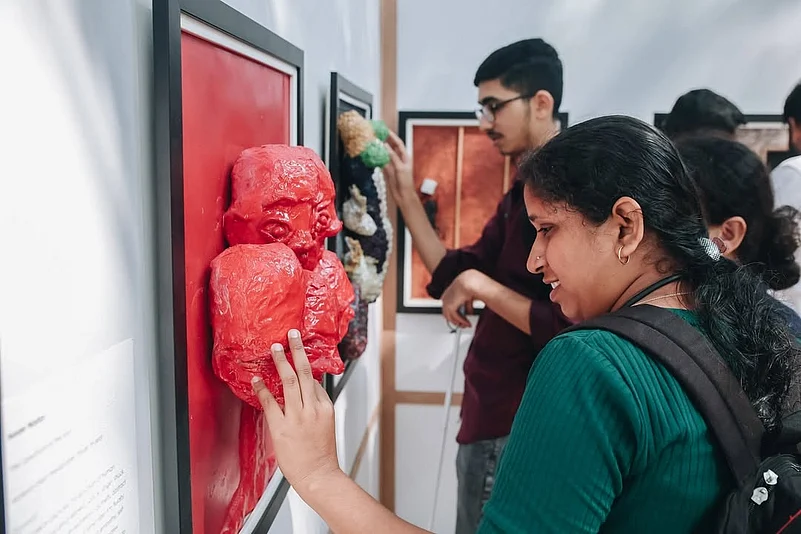
Goa’s December calendar is famously crowded, but the Serendipity Arts Festival offers something more thoughtful than beach parties and year-end chaos. Spread across Panjim’s riverfront district, the multidisciplinary festival brings together visual art, theatre, dance, culinary experiences, music, and craft installations over two weeks, much of it entirely free. What makes Serendipity particularly compelling is how naturally it folds into the city itself—you wander between heritage buildings, old warehouses, open-air stages, and gallery spaces without ever feeling funnelled into a single venue. One moment you’re watching a contemporary dance performance; the next you’re sipping feni by the Mandovi before catching an experimental theatre production. It’s immersive without trying too hard, which is perhaps why it works so well.
Jerash Festival For Culture & Arts
There’s something surreal about watching live music inside a Roman amphitheatre that has stood for nearly two millennia. The Jerash Festival, held every summer in Jordan’s ancient archaeological city, blends Arabic music, dance, poetry, and theatre against one of the most dramatic backdrops imaginable. Floodlit columns and stone arches frame evening performances while audiences drift between ruins that date back to the first century AD. The festival itself feels deeply regional and rooted rather than overtly international, which adds to its charm. Most visitors stay in nearby Amman and drive up for evening events, combining the experience with trips to Petra or Wadi Rum. Arrive before sunset if possible—the golden-hour light over the ruins is reason enough to come.
Edinburgh International Book Festival

Edinburgh in August is gloriously chaotic. The city becomes one giant performance space, with the International Book Festival unfolding alongside the Fringe, comedy shows, pop-up gigs, and street performances that seem to materialise around every corner. Set in Charlotte Square Gardens, the Book Festival draws some of the world’s most interesting writers, thinkers, journalists, and political voices for conversations that range from literary deep-dives to global affairs. Tickets disappear quickly, but the atmosphere extends far beyond the official venues. Cafés overflow with people discussing books they haven’t finished yet, strangers debate theatre recommendations in pub queues, and every second person appears to be carrying a tote bag and running late to something brilliant. Bring waterproofs. Edinburgh weather remains committed to chaos too.
Rainforest World Music Festival
Some festivals have impressive venues. This one happens inside an actual rainforest. Held near Kuching in Malaysian Borneo, the Rainforest World Music Festival gathers artists from across the globe alongside indigenous musicians from the region for three humid, exhilarating days surrounded by dense jungle and the foothills of Mount Santubong. Afternoon workshops are wonderfully intimate—visitors can sit in on jam sessions, traditional dance performances, and instrument demonstrations before the larger concerts begin after dark. And then come the evenings: tropical heat, sudden rainstorms, lanterns flickering through trees, crowds dancing barefoot in the mud. Staying nearby at Damai Beach makes logistics easier, though many visitors choose to base themselves in Kuching and shuttle in daily.
Avignon Festival

Every July, Avignon transforms into one enormous stage. The official festival programme remains one of Europe’s most respected performing arts events, premiering boundary-pushing theatre and contemporary performance work inside historic venues across the city. But the real charm lies in the OFF festival happening simultaneously, where actors hand out flyers in the streets, tiny productions take over courtyards and stairwells, and entire days disappear into spontaneous theatre-hopping. The medieval city itself becomes part of the performance—cafés buzz until late, squares fill with street musicians, and conversations about art drift through warm night air. Stay within the old city walls if possible and prepare for long evenings. Avignon in summer rewards people willing to wander without much of a plan.
Bali Arts Festival
Bali may be synonymous with wellness retreats and smoothie bowls these days, but the Bali Arts Festival offers a much deeper look at the island’s cultural identity. Running for an entire month in Denpasar, the festival celebrates Balinese dance, music, puppetry, ritual performance, and traditional craft with a scale and seriousness that feels refreshingly authentic. This is not a show curated for tourists—it’s an ongoing cultural institution that locals genuinely participate in. Performances at the Taman Werdhi Budaya Arts Centre range from grand processions to smaller contemporary showcases, many of them free or incredibly affordable. Time your visit around the opening parade if possible; it’s one of the festival’s most visually spectacular moments and captures Bali at its most vibrant.
FAQs
1. Which are the best cultural festivals around the world?
Some of the best cultural festivals include Gion Matsuri in Japan, Glastonbury in the UK, Serendipity Arts Festival in India, and the Busan International Film Festival in South Korea.
2. What is the best time to attend cultural festivals globally?
Most major cultural festivals take place between June and October, though events like Serendipity Arts Festival happen in December.
3. Which cultural festivals are worth travelling for in Asia?
Top picks in Asia include Ziro Festival of Music, Bali Arts Festival, Gion Matsuri, Rainforest World Music Festival and BIFF in Busan.
4. Are these cultural festivals suitable for solo travellers?
Yes, many cultural festivals are ideal for solo travellers thanks to their community-driven atmosphere, workshops and social experiences.
5. How early should I book tickets and accommodation for major festivals?
Popular festivals like Glastonbury, Gion Matsuri and Edinburgh Festival often require bookings several months in advance.