


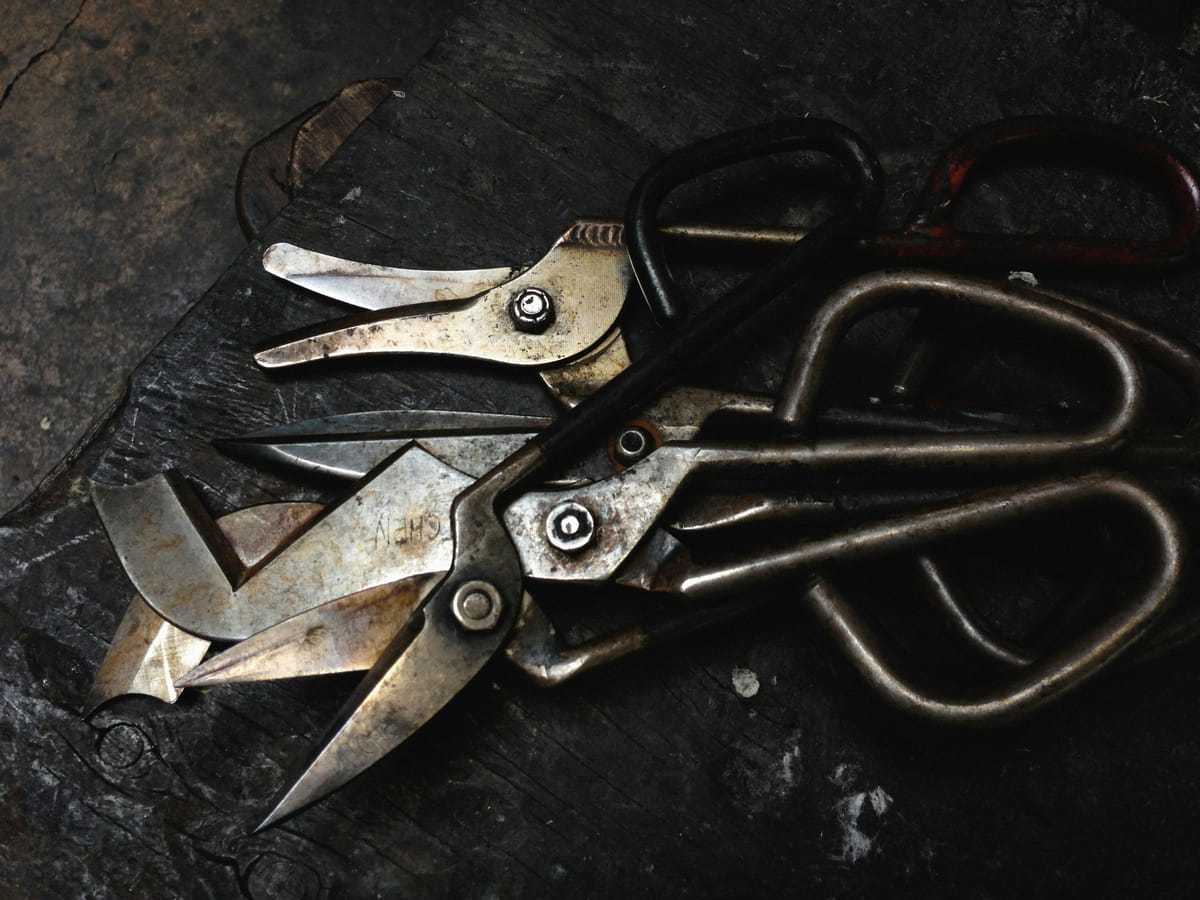
Remember the scissors used by our mothers and grandmothers? The heavy metal one? Did you know, these scissors come from our own sports city of India- Meerut. The city of Meerut in Uttar Pradesh is known as the ‘city of scissors.’
This craft of making these scissors originated during the Mughal era in 1654, when a local blacksmith joined two swords together to cut leather and created the region’s first scissors. This makes Kainchi almost three centuries old. Now, this fine craftsmanship has been passed down from generation to generation, and today, it contributes to the livelihoods of over 60,000 people.
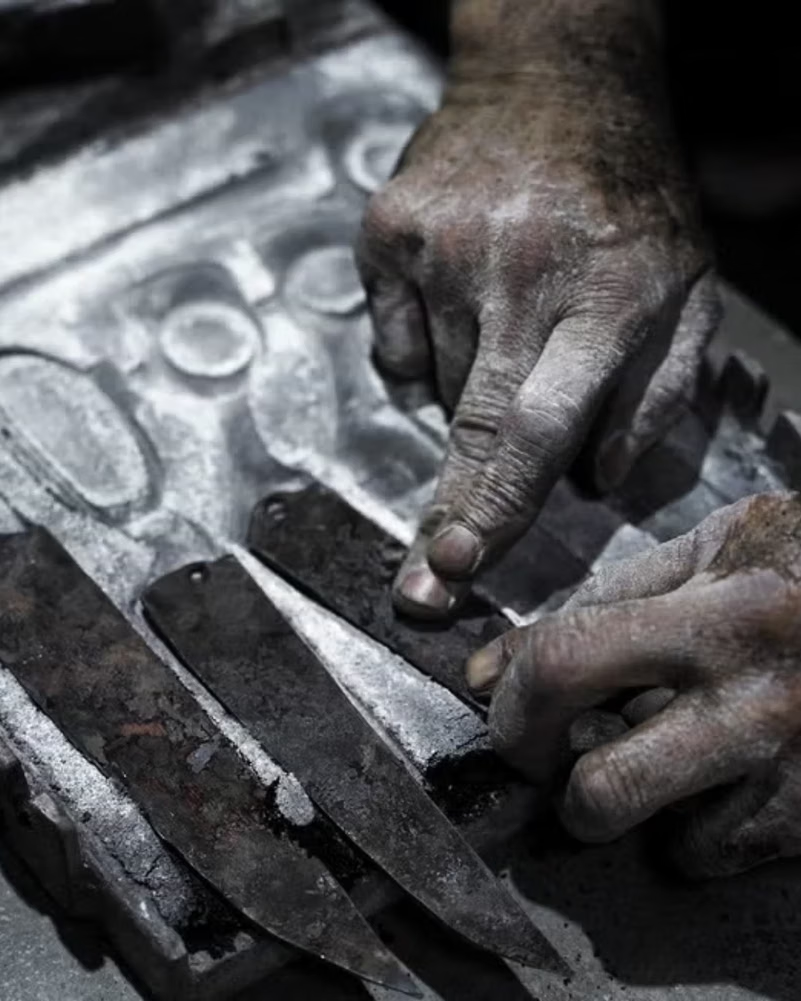

Today this industry exists with about 400 units in Meerut’s Kainchi Baazar, where around 16 different varieties of Kainchis are made. Unlike the usual scissors that we get nowadays, which are machine-made, Kainchi is entirely handmade. Local craftsmen mold the metal to make the Kainchi, and the raw material (kamani-spring steel) is sourced from the railway or automobile industries, supporting metal waste recycling.
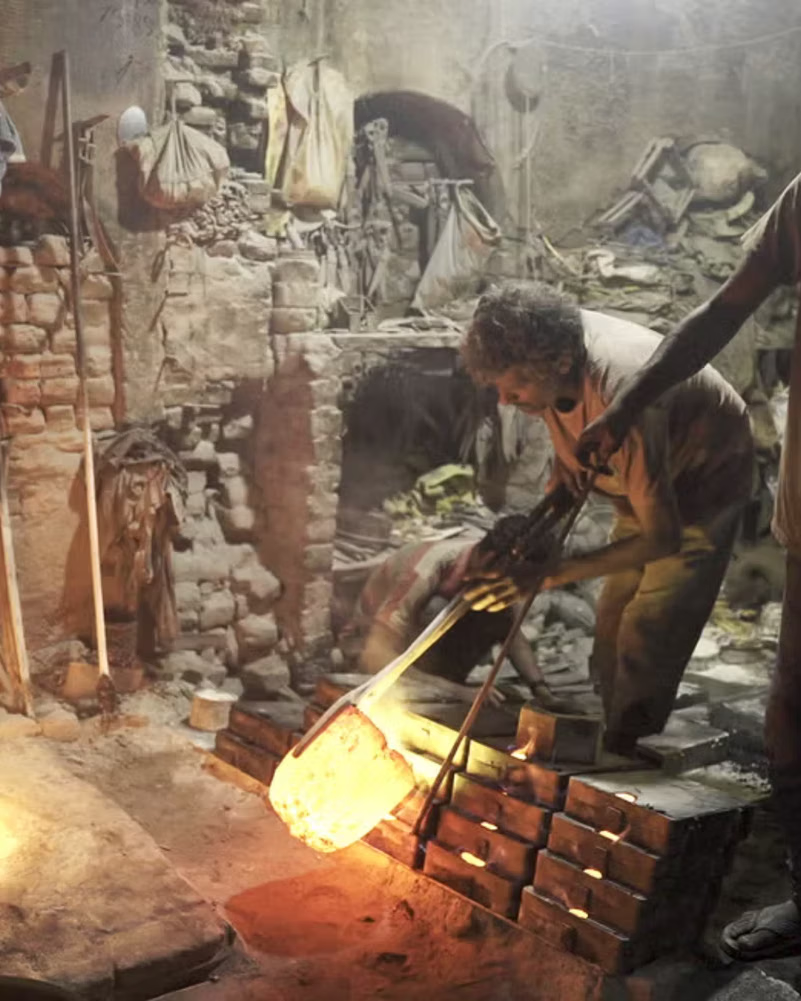
The process of making a single pair of Meerut scissors take 8 to 15 days and undergoes approximately 14 distinct stages. At one of the stages sugarcane juice and sand is used then it is passed through 22 different craftsman's hands to create the cutting quality that carries the century old techniques.
Meerut scissors got the Geographical Indication (GI) tag recognition in 2013, which restricts anyone to copy their design or misuse the use of this tag.
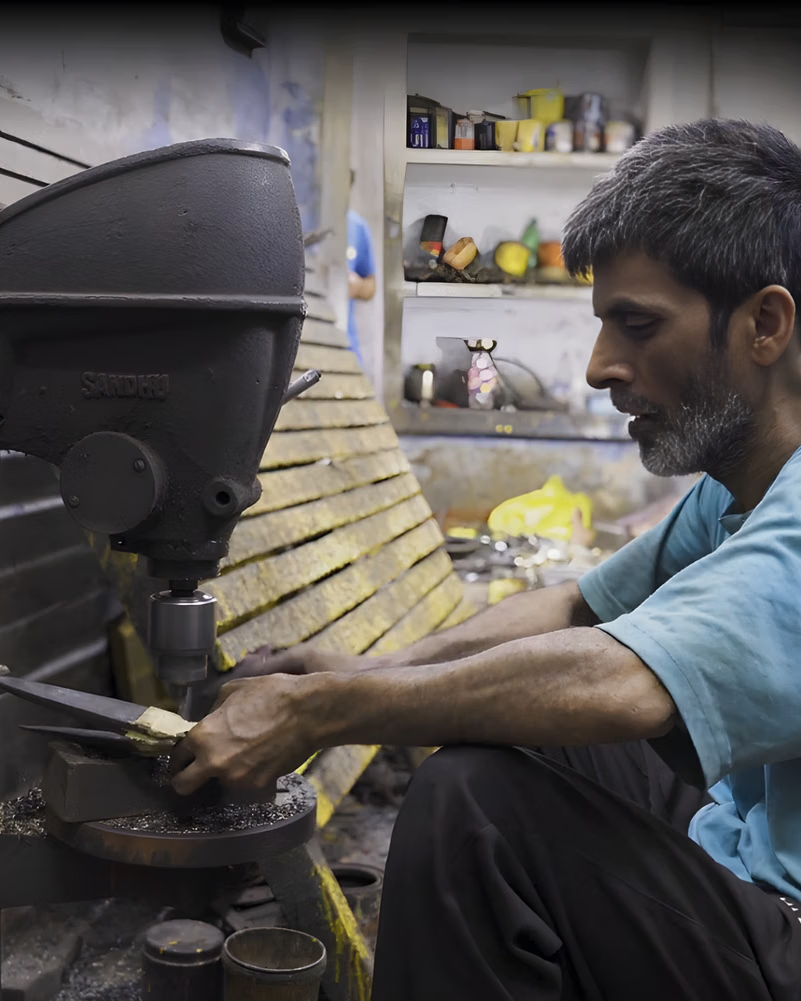
The artisans of Kainchi Bazaar remain devoted to their craft, and this deep sense of pride is reflected in the local saying "Dada le potaa barpe": what the grandfather purchased is still being used by the grandson.