


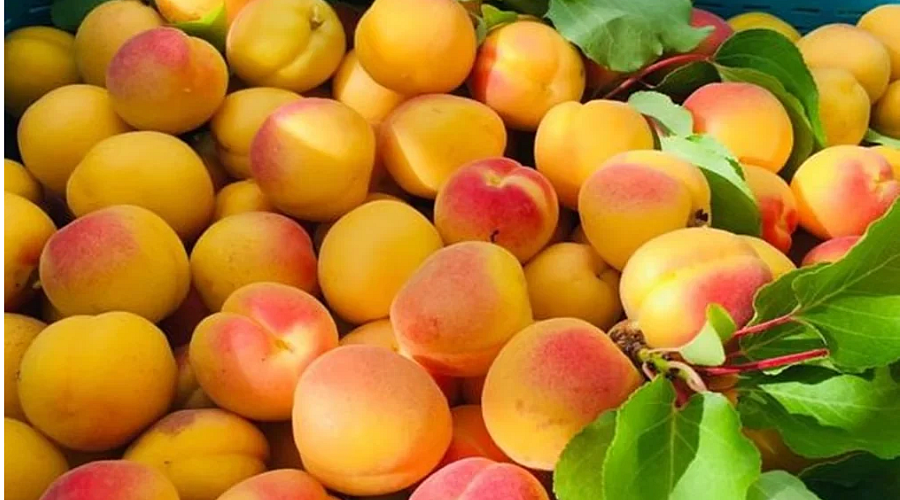
In Kargil's cold desert landscape, long winters and short growing seasons have shaped local food traditions. Apricots, known locally as chuli, are more than a seasonal fruit. They have long been part of the region’s culinary heritage, economy, and everyday life. While chuli is often eaten fresh, it is also dried in winter for traditional dishes. Another simple way to enjoy it is as a non-alcoholic beverage called Chuli Chhu.
Made with dried apricots, the drink is refreshing and naturally sweet and was traditionally prepared when fresh produce was scarce. It shows how communities adapted their eating and drinking habits to the region's challenging climate and agricultural conditions.
What Is Chuli Chhu?
Unlike contemporary fruit juices made from fresh produce, Chuli Chhu uses dried apricots preserved for consumption beyond the harvest season. It is particularly associated with early spring, when winter stores are running low and fresh fruits and vegetables are not readily available, underscoring its practical role in seasonal life.
Apricots are deeply rooted in Kargil's agricultural and culinary landscape. The fruit is grown across several villages, including Hardass, Silmo, Kharboo, Garkone, and Darchik. This importance is also reflected in local celebrations such as the Apricot Blossom Festival, which marks the arrival of spring and celebrates the region's relationship with the fruit. It requires careful preparation. It relies on dried apricots, water and time rather than elaborate cooking techniques or a long list of ingredients.
Traditionally, apricots are harvested during the warmer months, when they ripen before being dried and stored. For Chuli Chhu, dried apricots are first boiled or soaked in water to soften them. They are then left to soak overnight, allowing the fruit to rehydrate and release its natural sweetness into the water.
Once sufficiently softened, the apricots are blended or mashed into a pulp, resulting in a slightly thick drink.
The resulting preparation retains the fruit's natural flavour and sweetness. Depending on the household and the preparation, it can be adjusted with additional water to achieve the desired consistency.
Why Is Chuli Chhu Important In Kargil?
To understand the significance of Chuli Chhu, it is important to look at the geography and agricultural conditions of Kargil.
Situated in the Trans-Himalayan region, Kargil experiences long, harsh winters, limited rainfall and a relatively short agricultural season. Historically, communities have relied on preservation techniques to extend the shelf life of seasonal produce during periods when fresh ingredients are difficult to access.
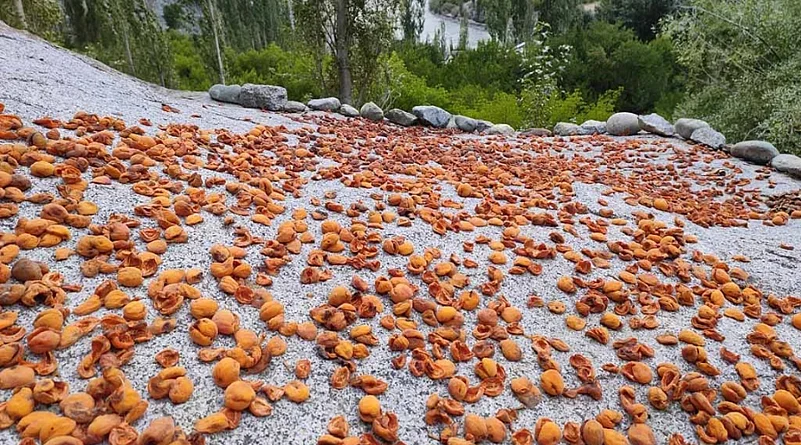

Apricots have played a particularly important role in this food system. The fruit is well suited to the region's climatic conditions and grows abundantly in several parts of Kargil. Its cultivation is believed to have spread across Ladakh through historic trade routes, including the Silk Route, with Chinese traders often credited with introducing the fruit to the region.
Over time, apricots became an important source of food and a livelihood for local communities. Drying them was a practical way to prevent waste and ensure the harvest could be consumed year-round. Chuli Chhu emerged from this tradition, showing how seasonal ingredients were preserved and used beyond their natural growing period.
What Are The Uses Of Chuli Chhu?
Beyond being a refreshing beverage, Chuli Chhu has traditionally served a practical purpose in local households, providing hydration and refreshment in places shaped by water scarcity and limited access to fresh produce.
Hospitality is another important aspect of its cultural significance. Food and beverages are central to how communities welcome guests, and Chuli Chhu has traditionally been offered as a refreshing alternative to plain water. Its preparation also shows how households made the most of ingredients grown and preserved locally.
The drink also carries the nutritional benefits of apricots, which contain dietary fibre, potassium and beta-carotene. At the same time, its traditional value lies as much in its role as a seasonal food and a practical household preparation as in its nutritional composition.
What makes Chuli Chhu interesting is not the complexity of its recipe but the story behind its ingredients. It represents a food culture shaped by geography, climate, seasonal availability and the need to preserve what the land provides.
In Kargil, where apricots have been cultivated for generations, the fruit finds its way into several aspects of everyday life, from dried snacks and traditional preparations to locally produced oils and other products. Chuli Chhu is one of the simplest expressions of this relationship.
As interest in indigenous ingredients and regional Indian food traditions grows, preparations such as Chuli Chhu offer an opportunity to understand the culinary knowledge that has sustained Himalayan communities for generations. They also remind us that traditional food is not always about elaborate recipes; sometimes, it is about knowing how to preserve a seasonal harvest and make it last.