

India's silk heritage is best explored through the roads, towns and communities that have kept its traditions alive. From the old trading trails of the Himalayas to the weaving lanes of Varanasi and Assam, these five experiences offer a closer look at the country's long relationship with silk. Along the way, you can discover old trade routes, meet skilled artisans, understand traditional weaving techniques and see how silk continues to be part of everyday life.
Drive Along Sikkim's Old Silk Route
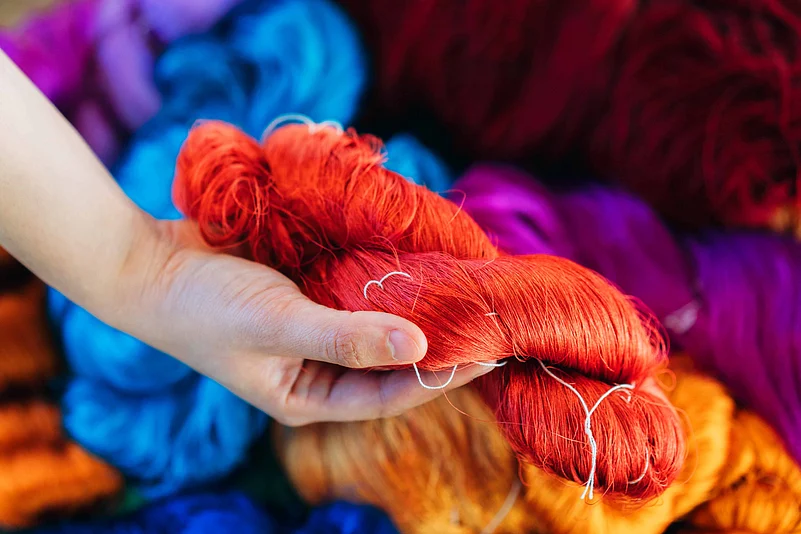

The Old Silk Route in East Sikkim was once an important trading corridor connecting Tibet with Kalimpong in present-day West Bengal. Merchants travelled along this route carrying silk, wool, tea and other goods across the Himalayas. The same mountain roads today offer one of India's most scenic road trips.
The journey takes you through the famous 32 hairpin bends leading to Zuluk, a small mountain village at an altitude of around 10,000 feet. Stop at Thambi Viewpoint for views of the winding road before continuing towards Nathang Valley and Kupup Lake. On clear days, the route also offers breathtaking views of Mount Kanchenjunga.
Things to know: The best time to visit is March to May and October to December. Indian travellers need a Protected Area Permit to access restricted sections of the route. Foreign nationals face additional restrictions, so check the latest permit rules before planning. It is best to arrange a registered local vehicle and permits through a Sikkim-based travel operator.
Explore Banarasi Silk Weaving In Varanasi
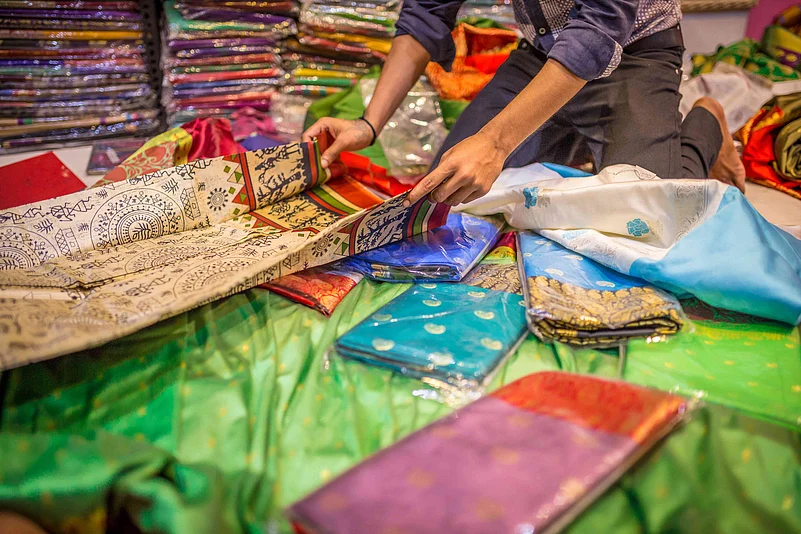
Varanasi has been one of India's most important silk-weaving centres for generations. Its Banarasi sarees are known for their intricate brocade work, floral patterns and gold and silver zari detailing. The craft reflects a long history of Indian textile traditions, with Mughal influences visible in many of its designs.
To understand how these textiles are made, head to traditional weaving neighbourhoods such as Sarai Mohana, Madanpura and Bazardiha. Guided walks, including Tornos India's Threads of Banaras Walk, offer an opportunity to visit family-run workshops and watch master weavers at work. You can see how designs are first mapped onto graph paper, then transferred to punch cards and woven into silk on traditional looms. Artisans also demonstrate how zari threads are incorporated into the fabric to create the detailed patterns for which Banarasi silk is known.
Things to know: Plan workshop visits for late mornings when weaving activity is usually underway. If you are buying a Banarasi saree, look for the Silk Mark and Handloom Mark to check its material and weaving credentials. Prices vary considerably depending on the silk, zari and intricacy of the work.
Discover Assam's Golden Muga Silk In Sualkuchi
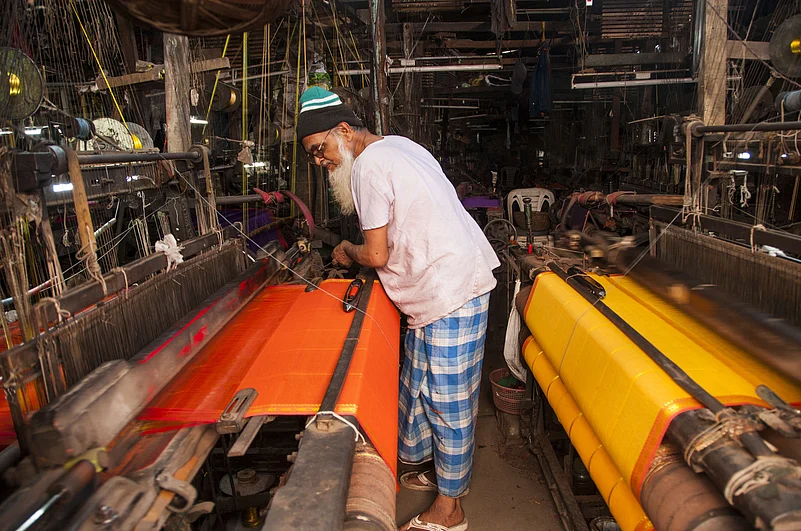
Around 35 km from Guwahati, Sualkuchi is widely known as the silk-weaving centre of Assam. Often called the Manchester of the East, this riverside town is particularly famous for Muga silk, a rare variety known for its natural golden colour and sheen.
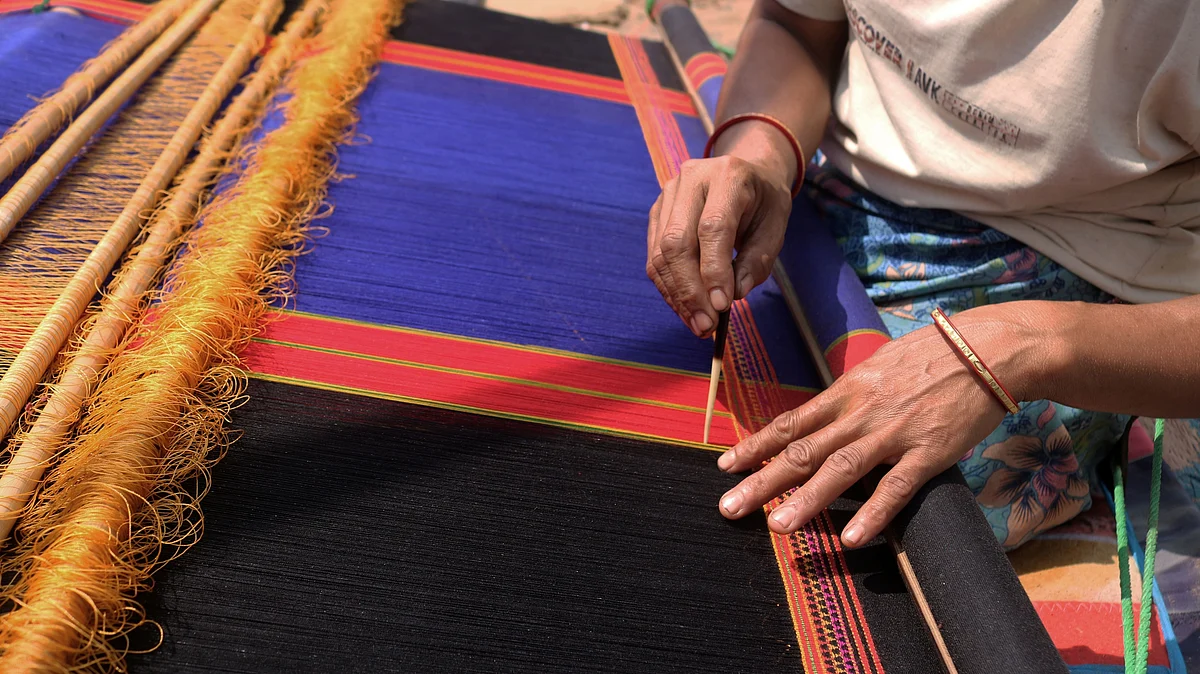
Assam is also home to Eri and Pat silk, each with its own texture and characteristics. While Eri is valued for its soft, warm feel, Pat silk is known for its fine texture and natural white colour. A visit to Sualkuchi takes you into narrow weaving lanes lined with traditional bamboo-and-wood workshops. Many households have their own looms, and you can watch artisans turn silk yarn into traditional Assamese garments, particularly the Mekhela Chador. Depending on the workshop, you may also learn about silkworm rearing, cocoon processing, yarn preparation and weaving.
Things to know: Weaving takes place year-round, but March and April, as well as October and November, are good months to experience the region's textile activity. For authentic Assamese silk, consider buying directly from recognised weaver cooperatives or ARTFED outlets.
Follow The Old Caravan Trails Of Ladakh
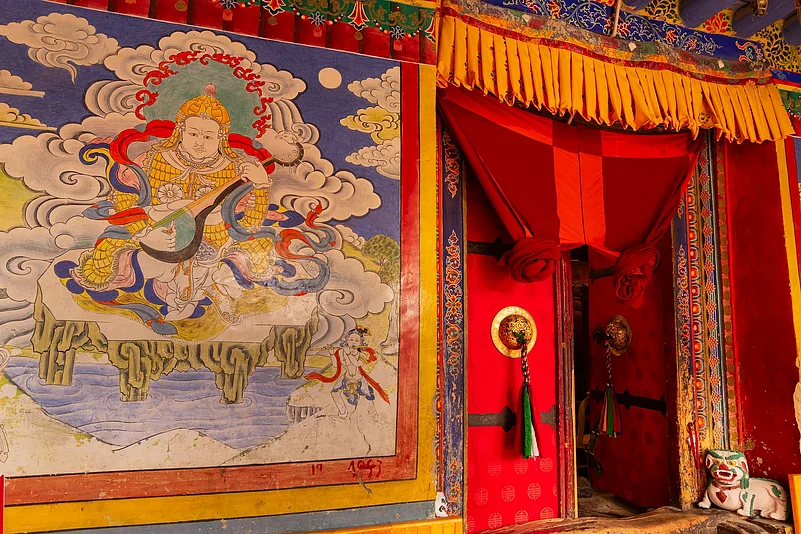
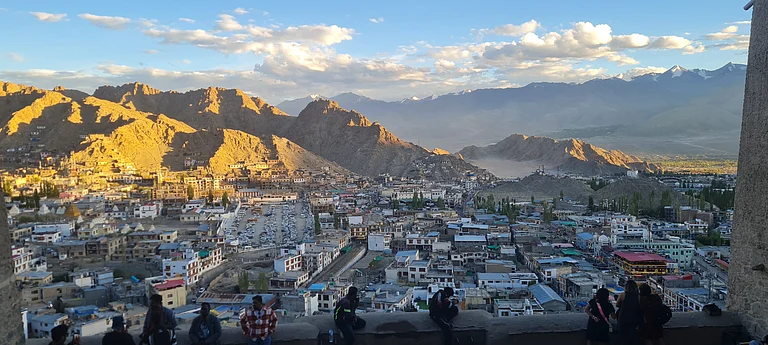
Leh was an important trading centre linking the Indian subcontinent with Tibet and Central Asia. Merchants travelled through high mountain passes carrying pashmina wool, silk, spices, indigo and carpets.
After spending at least two days acclimatising in Leh, travel across Khardung La towards Diskit and Hunder. The latter is known for its sand dunes and double-humped Bactrian camels, animals associated with the old Central Asian caravan trade. You can also explore Ladakh's monastic heritage along the way. Alchi Monastery, known for its centuries-old murals, offers a look at the artistic influences that travelled across the region. Hemis Monastery is another important stop, with a rich collection of Buddhist art and religious objects.
Things to know: May to September is generally the best time to visit, depending on road conditions. Indian and foreign travellers have different permit requirements for certain areas, including Nubra and Turtuk. Check the latest regulations before travelling and avoid rushing the journey before acclimatising to the altitude.
Explore Kanjivaram Silk And Temple Heritage In Kanchipuram
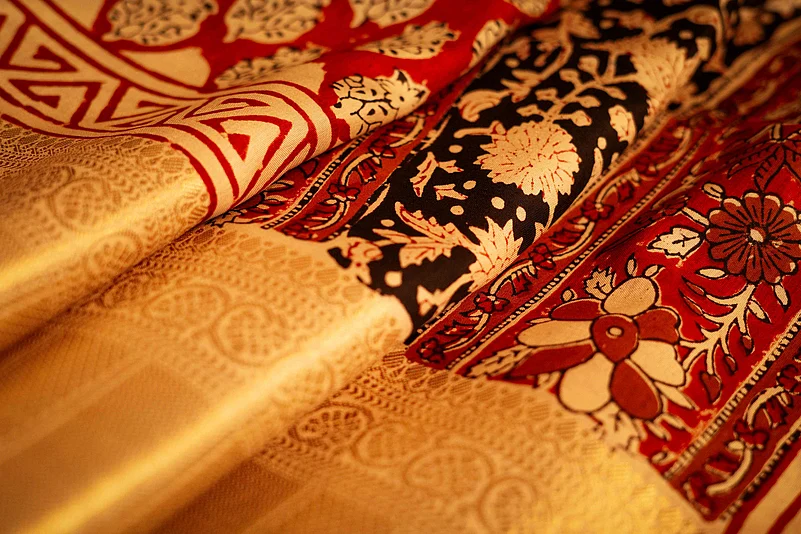
Known as the silk capital of Tamil Nadu, Kanchipuram is famous for its Kanjivaram sarees, which are valued for their rich silk, contrasting borders and intricate zari work. The town's textile traditions have developed alongside its temple culture, with many weaving patterns inspired by the region's architecture and religious motifs.
A visit to Kanchipuram offers an opportunity to see how these sarees are made. Head to traditional weaving neighbourhoods such as Pillaiyarpalayam, where family-run workshops continue to use age-old techniques. One of the most distinctive is the korvai technique, which involves interlocking the saree's body and contrasting border through a specialised weaving process. You can combine a visit to the Kailasanathar Temple and the Ekambareswarar Temple with a trip to Kanchipuram, both important landmarks in Kanchipuram. Kanchi Kudil, a restored heritage house, is another stop for understanding local traditions and everyday life.
Things to know: Kanchipuram is around 75 km from Chennai and makes for an easy day trip by road. If you plan to buy a saree, visit government-recognised weaver cooperatives or established showrooms such as Co-optex. Check the silk and zari details before making a purchase, particularly if you are looking for a pure-silk Kanjivaram.
FAQs
1. What are some traditional silk routes and experiences in India?
India's silk heritage can be explored through Sikkim's Old Silk Route, Ladakh's historic caravan trails and weaving centres such as Varanasi, Sualkuchi in Assam and Kanchipuram in Tamil Nadu.
2. Where can you see Banarasi silk being woven?
Varanasi's traditional weaving neighbourhoods, including Sarai Mohana, Madanpura and Bazardiha, are known for family-run workshops where visitors can learn about Banarasi brocade weaving.
3. Where is Muga silk produced in India?
Muga silk is primarily associated with Assam, particularly Sualkuchi, a well-known silk-weaving centre near Guwahati.
4. What is special about Kanjivaram silk?
Kanjivaram sarees are known for their rich silk, contrasting borders, intricate zari work and distinctive weaving techniques such as korvai.
5. Can travellers visit India's traditional weaving workshops?
Yes. Some weaving communities in Varanasi, Sualkuchi and Kanchipuram welcome visitors through guided walks and workshop visits. It is best to arrange visits in advance.