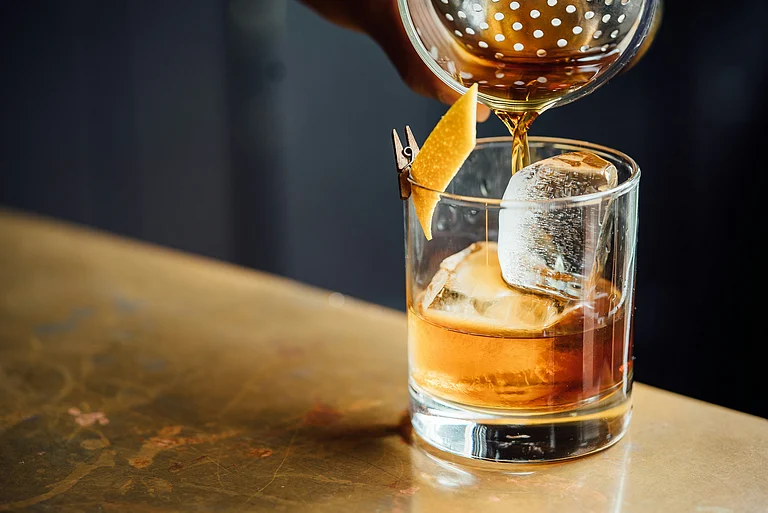


From matcha’s unmistakable green to ube’s purple allure, 2026 gave us plenty to look beyond our usual coffee and cocktail orders. India’s beverage scene had a lively year, with cafés, bars and restaurants shaking, stirring, whisking and brewing their way into new territory. Coffee got a personality makeover, indigenous ingredients found their way into cocktail glasses, and zero-proof drinks proved that you don't need alcohol to have a good time.
What went into your glass became as interesting as the glass itself. We became more curious about ingredients, more adventurous with flavours and more interested in the stories behind our drinks. Whether you were sipping a matcha latte, discovering a cocktail inspired by regional Indian flavours or raising a glass to a cleverly crafted mocktail, there was something new to try at every turn. Here's a look back at the beverage trends that kept us sipping, swirling and coming back for another round in 2026.
Japanese Teas Take Over: Matcha, Ube, And Hōjicha
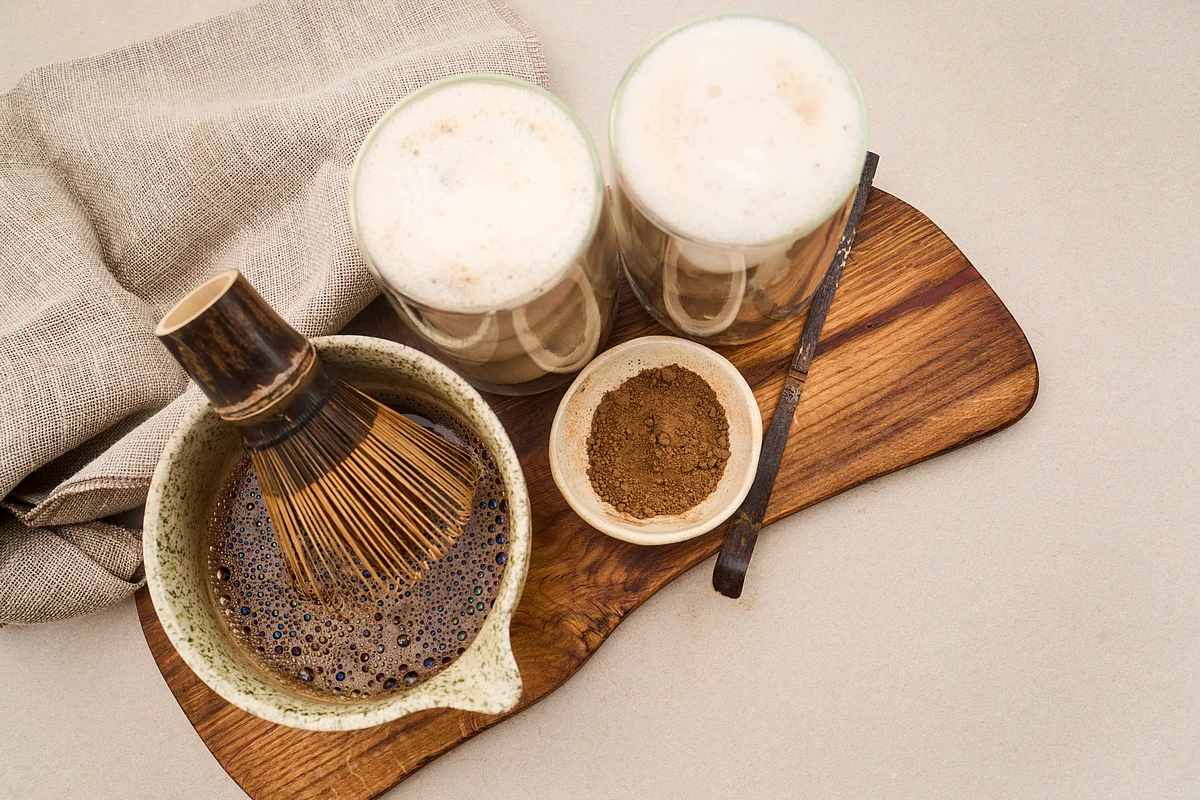
If there was one category that continued to capture the imagination of café-goers in 2026, it was Japanese-inspired beverages. Matcha, which had already established a strong following in India's speciality café circuit, moved beyond being a niche menu addition to become an everyday favourite. As that interest grew, cafés served increasingly creative versions, from iced matcha lattes and strawberry matcha to coconut and mango variations.
That trend also moved into home kitchens, with consumers showing greater interest in understanding the preparation process, investing in matcha bowls and whisks, and experimenting with different combinations.
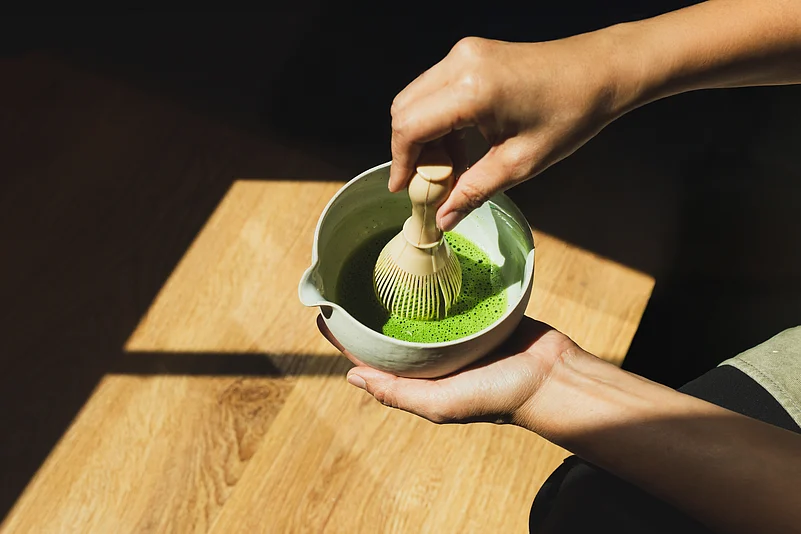

But matcha wasn't the only Japanese-inspired flavour making waves. As interest expanded, ube, the naturally purple yam widely used in Filipino desserts, gained popularity in lattes and other café creations. Hōjicha, a roasted Japanese green tea with a distinctive nutty flavour, also attracted attention as an alternative to matcha. Together, these flavours reflected a growing appetite for unfamiliar ingredients and beverages that offered something different from the usual coffee order.
Coffee Becomes An Experience
In 2026, coffee was about much more than getting your caffeine fix. The humble cup became an invitation to explore: where the beans were grown, how they were processed, the nuances of roasting and the brewing techniques that bring out their distinct flavours. As consumers became more curious about what they were drinking, coffee culture grew more discerning, with the journey from bean to cup becoming as important as the final brew.
Cafés, too, began to take on a different role. No longer just pit stops for a quick cappuccino or Americano, they increasingly became spaces to socialise, discover new brews and spend time appreciating the craft behind each cup. For many, visiting a café was as much about the experience as it was about the coffee.
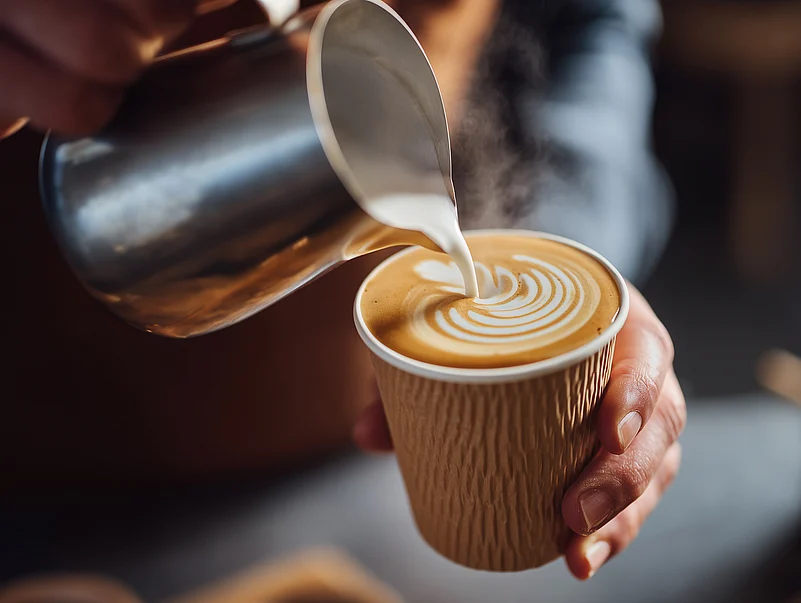
Another development that added a fresh dimension to coffee culture was its growing overlap with mixology. Coffee-based cocktails, espresso tonics and inventive cold brews began appearing on beverage menus, taking coffee well beyond its traditional morning or after-dinner slot. Its bitter, roasted and sometimes fruity notes offered bartenders plenty of room to experiment, finding their way into drinks with and without alcohol. The result? Coffee was no longer confined to a cup; it had become an ingredient, a conversation starter and an experience in its own right.
Indigenous Ingredients And Storytelling Take Over Drinks
One of the most interesting developments in India's cocktail culture in 2026 was the growing emphasis on indigenous ingredients and regional culinary traditions. Bartenders increasingly looked closer to home for inspiration, rather than relying on imported liqueurs, international flavour profiles, and familiar cocktail recipes.
Kokum, gondhoraj lime, curry leaves, jaggery, Himalayan juniper, regional herbs, and indigenous fermentations began to appear on contemporary cocktail menus. Even ingredients traditionally associated with Indian kitchens, such as tamarind, spices and inji puli (a Kerala preparation combining ginger, tamarind and jaggery), gave bartenders more room to explore sweet, sour, spicy and savoury notes.
But this movement was about more than introducing Indian ingredients into a glass. It was also about telling stories through drinks. A cocktail could draw inspiration from a particular region, a local ingredient, a seasonal harvest or a traditional preparation, creating a more meaningful drinking experience. It connected consumers with India's diverse culinary heritage while also allowing bartenders to experiment with contemporary techniques.
This shift towards hyperlocal mixology also reflected a changing understanding of what makes a cocktail premium. Increasingly, it was the quality of the ingredients, the thought behind the combination and the story being told that mattered, rather than simply the use of imported spirits or ingredients.
Zero-Proof Cocktails And Mocktail Mixology
Alcohol-free drinking had a particularly interesting year in 2026. What was once an afterthought on restaurant and bar menus became an increasingly considered part of the beverage programme. From people embracing a sober-curious lifestyle to those simply choosing to moderate their alcohol consumption, the demand for sophisticated non-alcoholic drinks continued to grow.
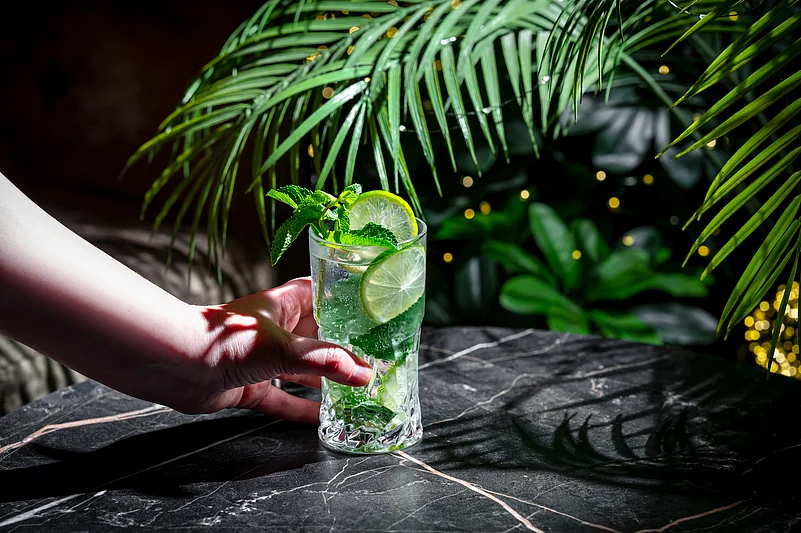
An important distinction emerged between conventional mocktails and zero-proof cocktails. While mocktails have traditionally involved alcohol-free versions of familiar drinks or combinations of fruit juices and syrups, zero-proof cocktails are designed as independent creations. They use techniques and ingredients associated with traditional mixology, including botanical infusions, house-made shrubs, fermentation, clarification, smoking and non-alcoholic spirits.
The objective is to offer the same complexity, balance, presentation and experience as an alcoholic cocktail, without the alcohol. Think herbal highballs, botanical spritzes, alcohol-free Negronis and espresso-inspired creations that are developed as complete drinks rather than substitutes.
This was particularly evident in India's restaurant and bar scene, where establishments began giving greater attention to their alcohol-free offerings. Our earlier exploration of Delhi NCR's zero-proof cocktail menus found everything from sober Negronis and zero-proof Bellinis to botanical highballs and coffee-led creations. Meanwhile, the growing interest among Gen Z in drinking less, or not drinking at all, has encouraged bars to rethink how they approach social drinking.
The shift is significant because it challenges the idea that alcohol is essential to a good night out. Increasingly, consumers want the freedom to enjoy the ritual of ordering a beautifully made drink, socialising and exploring interesting flavours, regardless of whether their glass contains alcohol.